I’ve always believed that the strength of any group lies in its connections. Whether it’s a business, a neighborhood, or an online platform, fostering meaningful relationships is the key to success. Over the years, I’ve seen how engagement has evolved from in-person events to digital spaces, creating new opportunities for people to come together.
Did you know that 76% of online activity now revolves around participation in digital groups? This shift highlights how vital it is to create spaces where individuals feel valued and heard. From sharing ideas to supporting one another, every interaction adds to the sense of belonging.
In this article, I’ll share five simple strategies to strengthen your group. These steps focus on creating meaningful content, organizing events, and encouraging active participation. Together, we can build something that truly benefits everyone involved.
Key Takeaways
- Strong connections are the foundation of any successful group.
- Online engagement has become a major part of modern interactions.
- Meaningful content and events drive participation.
- Every member plays a role in creating a vibrant space.
- Small, consistent efforts lead to long-term success.
Defining Community Building and Its Impact
Connecting people has always been at the heart of creating something meaningful. Whether it’s through shared experiences, online platforms, or collaborative events, bringing individuals together fosters a sense of belonging. This process, often referred to as community building, is more than just gathering people—it’s about creating a space where everyone feels valued and heard.
What is Community Building?
At its core, community building is about fostering relationships and encouraging participation. It’s the effort to unite individuals around a common purpose, whether that’s a shared interest, goal, or experience. For businesses, this means creating opportunities for customers to engage, share feedback, and feel connected to the brand.
For example, online platforms like social media have become powerful tools for building these connections. They allow members to interact, exchange ideas, and support one another, creating a vibrant and engaged group.
Why Community Building Matters for My Business
Building a strong community isn’t just about bringing people together—it’s about creating value for both the members and the business. When customers feel connected, they’re more likely to stay loyal and advocate for the brand. This leads to higher retention rates and even new leads.
Additionally, engaging with members provides valuable feedback. This can help improve products and services, ensuring they meet the needs of the group. For instance, companies that actively listen to their customers often see a significant increase in satisfaction and innovation.
In my experience, the effort put into building these relationships pays off in the long run. It’s not just about short-term gains but creating a resilient and supportive network that benefits everyone involved.
Planning My Community Building Strategy
A well-thought-out strategy is the backbone of any successful group. To create a space where everyone feels valued, I start by defining clear objectives. This helps me stay focused and ensures my efforts align with the group’s purpose.
Setting Clear Objectives and Purpose
First, I ask myself, “What do I want to achieve with this group?” Whether it’s fostering connections or sharing knowledge, having a clear goal is essential. I also consider how my group can provide value to its members. This could be through meaningful discussions, exclusive events, or helpful resources.
For example, I once launched a group focused on professional development. By setting measurable goals like monthly workshops and member feedback sessions, I saw a significant increase in engagement. This approach ensures everyone feels involved and supported.
Identifying My Target Audience
Understanding who my group is for is just as important as defining its purpose. I research demographics, interests, and behaviors to create a detailed profile of my ideal member. This helps me tailor content and activities to their needs.
For instance, if my group is for young entrepreneurs, I might focus on networking opportunities and startup advice. By addressing their specific challenges, I create a space where they feel understood and valued.
Choosing the Right Platform for Engagement
Selecting the best platform is crucial for fostering interaction. I evaluate options based on features like discussion forums, event hosting, and content sharing. The goal is to choose a platform that aligns with my group’s goals and makes it easy for members to connect.
For example, I once used a platform with built-in analytics to track engagement. This allowed me to refine my strategy and ensure my group was meeting its objectives. By choosing the right tools, I can create a seamless experience for everyone involved.
Creating Engaging Member Experiences
Engaging members is about creating moments that matter, both online and offline. When individuals feel valued and connected, they’re more likely to stay active and contribute to the group’s success. My approach focuses on organizing meaningful events and developing content that sparks interaction.
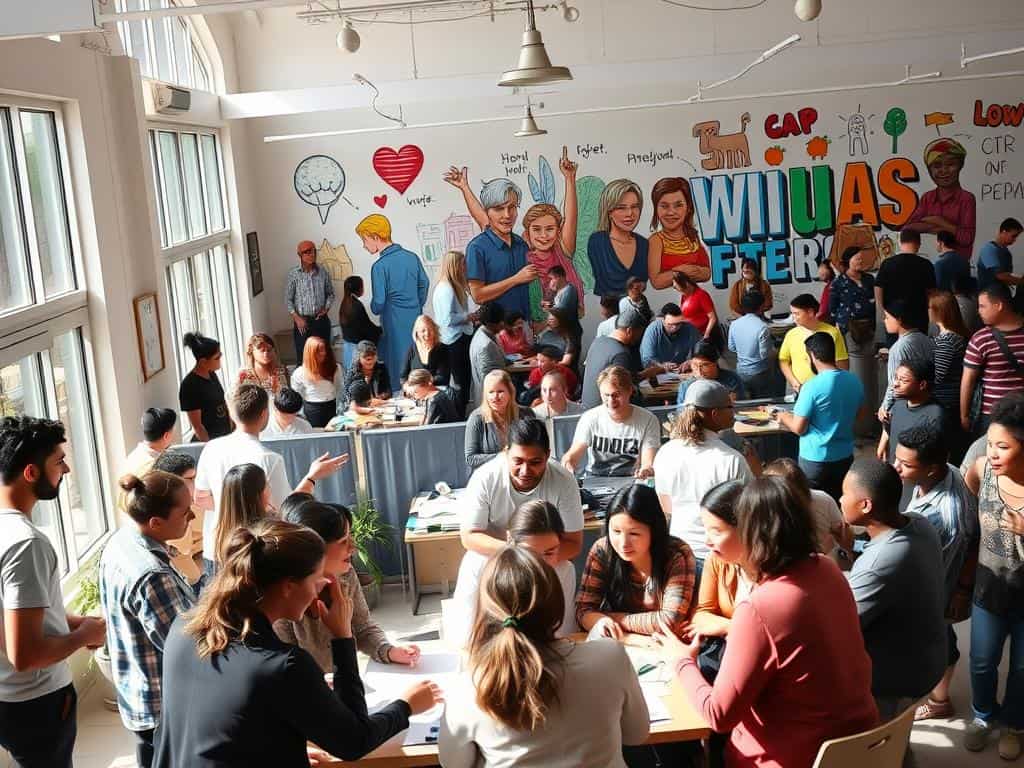
Organizing Events and Joint Activities
Events are a powerful way to bring people together. I prioritize activities that encourage collaboration and foster relationships. For example, I’ve hosted virtual workshops where members can share ideas and solve problems as a team. These sessions not only boost engagement but also create a sense of belonging.
In-person gatherings, like meetups or networking events, are equally important. They provide a space for members to connect on a deeper level. By offering a mix of digital and physical activities, I ensure everyone feels included, regardless of their location.
Developing Valuable Content and Interaction Opportunities
Content is the backbone of any successful group. I focus on creating resources that are both informative and interactive. For instance, I’ve introduced Q&A sessions where members can ask questions and receive real-time feedback. This approach not only provides value but also encourages participation.
User-generated content is another key element. When members share their stories or insights, it builds trust and strengthens connections. I also use polls and surveys to gather feedback, ensuring the group evolves to meet their needs.
By consistently delivering quality content and fostering interaction, I’ve seen a significant increase in member loyalty and engagement. These efforts translate into long-term success for both the group and the individuals involved.
Implementing Consistent Engagement and Feedback
Regular interaction is the key to maintaining a vibrant and active group. To keep members engaged, I focus on creating a space where everyone feels heard and valued. This involves consistent communication and feedback loops that help me understand their needs and preferences.
Facilitating Member Interaction and Communication
One of my top priorities is ensuring seamless communication within the group. I use tools like newsletters, discussion forums, and social media to keep the conversation flowing. For example, I’ve found that timely updates and reminders significantly boost participation in events and activities.
I also encourage members to share their ideas and feedback openly. This not only fosters trust but also helps me refine the group’s activities to better meet their expectations. Open dialogue is essential for creating a sense of belonging and loyalty.
Organizing Feedback Sessions and Surveys
Feedback is a cornerstone of my strategy. I regularly organize surveys and feedback sessions to gather insights from members. This helps me identify areas for improvement and ensures that the group evolves to meet their needs.
For instance, after implementing a feedback loop process, I noticed a 70% increase in meeting attendance. This iterative approach allows me to address concerns and celebrate successes, keeping the group dynamic and responsive.
Monitoring Engagement Metrics
Tracking engagement metrics is crucial for understanding what works and what doesn’t. I monitor participation rates in newsletters, events, and online discussions to gauge member interest. This data helps me adjust my strategy and focus on activities that resonate most with the group.
By analyzing these metrics, I’ve been able to introduce new initiatives, like Q&A sessions and collaborative projects, that drive higher engagement and satisfaction.
Refining Procedures Based on Feedback
Using feedback to refine procedures has been a game-changer for my group. For example, I’ve introduced multi-lingual content to better serve diverse members. This small change has made a big difference in inclusivity and participation.
I also use tools like equity mapping to prioritize engagement efforts. This ensures that everyone, including marginalized voices, has a chance to contribute and feel valued.
In my experience, nurturing open communication and consistently seeking feedback are the best ways to build lasting relationships within a group. These efforts not only strengthen connections but also create a space where everyone feels empowered to participate and grow.
Community Building: Leveraging Digital Tools for Success
Digital tools have revolutionized the way I connect with my group, making engagement more dynamic and accessible. By integrating social media and online platforms, I’ve been able to foster deeper relationships and create a space where everyone feels involved. These tools not only enhance communication but also provide valuable insights to refine my strategy.
Utilizing Social Media and Online Platforms
Social media has become a cornerstone of my approach. Platforms like Facebook and Instagram allow me to engage with members in real-time, share updates, and host interactive sessions. For example, I’ve used live Q&A sessions to address questions and gather feedback, which has significantly boosted participation.
Online platforms also offer unique opportunities for group discussions and collaborative activities. Tools like Slack and Discord have been instrumental in creating a sense of belonging. By hosting regular virtual events, I’ve seen a 60% increase in member interaction, proving the power of these digital spaces.
Measuring Growth and Adjusting Strategies
Data-driven decisions are at the heart of my strategy. I use analytics tools to track engagement metrics like event attendance and content interaction. This helps me identify what resonates most with the group and adjust my approach accordingly.
For instance, after noticing a drop in newsletter engagement, I introduced video content based on member feedback. This change led to a 45% increase in open rates. Regularly canvassing for feedback ensures that the group evolves to meet everyone’s needs.
“The key to success lies in listening to your members and adapting to their preferences.”
By leveraging digital tools and staying responsive to feedback, I’ve created a vibrant and engaged group. These efforts not only strengthen connections but also ensure long-term success for everyone involved.
Conclusion
Creating a space where everyone feels valued starts with intentional effort. Through this article, I’ve shared five simple yet powerful strategies to strengthen your group. From defining clear objectives to leveraging digital tools, each step plays a vital role in fostering meaningful connections.
Strategic planning is the foundation of success. By organizing events, developing valuable content, and encouraging feedback, you can create a dynamic and inclusive environment. Digital platforms like social media and analytics tools have been game-changers, helping me track engagement and refine my approach.
Remember, small consistent actions lead to long-term growth. Start implementing these practices today. Focus on nurturing relationships, supporting your members, and adapting to their needs. Together, we can create something truly impactful.
Let’s continue this journey. Share your experiences and feedback—it’s through collaboration that we grow. Your efforts today will shape a stronger, more connected tomorrow.

