Have you ever stopped to think about how much richer life becomes because of the people around us? Our world is filled with individuals who bring unique perspectives, talents, and experiences. These differences aren’t just something to notice—they’re what make us stronger as a society.
I’ve always believed that every person’s unique attributes, whether visible or invisible, add depth to our understanding of diversity. From the way someone communicates to the tools they use to navigate life, these traits teach us valuable lessons about inclusion and respect.
When we take the time to ask kind questions and provide accurate explanations, we create a space where everyone feels valued. For example, understanding why someone might use a wheelchair or a hearing aid fosters empathy and connection. These moments of learning are powerful teaching opportunities.
Early exposure to diversity shapes a positive, strong community. It helps us see the beauty in uniqueness and recognize that every difference is a strength. Together, these strengths contribute to a better world.
Key Takeaways
- Individual differences strengthen society and foster acceptance.
- Acknowledging visible and invisible traits enhances understanding of diversity.
- Respectful observation and inclusion are key to celebrating uniqueness.
- Early exposure to diversity shapes a positive community.
- Every difference is a strength that contributes to the world.
Embracing Diversity: My Personal Journey
Growing up, I often wondered why people seemed so different from one another. From the way someone spoke to the tools they used, these observations sparked my curiosity. As a child, I began to notice even subtle differences in the people around me, and these moments became the foundation of my understanding of diversity.
Learning from Life’s Unique Moments
One of my earliest memories is asking my parents why a classmate used a wheelchair. Their explanation was simple yet profound: “Everyone has their own way of moving through life.” This moment taught me that differences aren’t something to fear but to understand. It also showed me how important it is to help a child see the value in others.
Another example came when I met someone who used a hearing aid. Instead of staring, I asked a thoughtful question: “How does it help you?” Their answer opened my eyes to the importance of respectful communication. These small interactions shaped my perspective and taught me empathy from a young age.
Experiencing Growth Through Inclusion
In school, I saw how inclusion could transform a community. When a new student joined our class, they spoke a different language. Instead of isolating them, our teacher encouraged us to learn a few words in their language. This simple act created a bond and made the other person feel welcomed.
These experiences taught me that inclusion isn’t just about big gestures. It’s about the little things—like asking a question or offering help—that make a difference. As Danise Grant, an EDI Consultant, once said,
“Inclusion starts with understanding and grows with action.”
Looking back, I realize how each encounter with someone unique has enriched my life. Whether it was a child with glasses or an adult with a different cultural background, these moments have guided me to advocate for fairness and kindness. They’ve shown me that diversity isn’t just a thing to notice—it’s a strength to embrace.
Practical Tips for Celebrating Differences
Understanding and embracing uniqueness starts with simple, intentional steps. Whether at home or work, creating an inclusive environment can make a big difference. Here are some actionable ways to foster inclusion and respect in everyday life.
Incorporating Inclusive Activities at Home and Work
At home, adapt play and learning spaces to welcome every child. For example, create a sensory-friendly area with soft lighting and quiet corners. This helps children with sensory sensitivities feel comfortable and included.
At work, plan group activities that encourage participation from everyone. Consider accessible options like wheelchair-friendly spaces or virtual meetings for remote team members. These small adjustments can make a big impact.
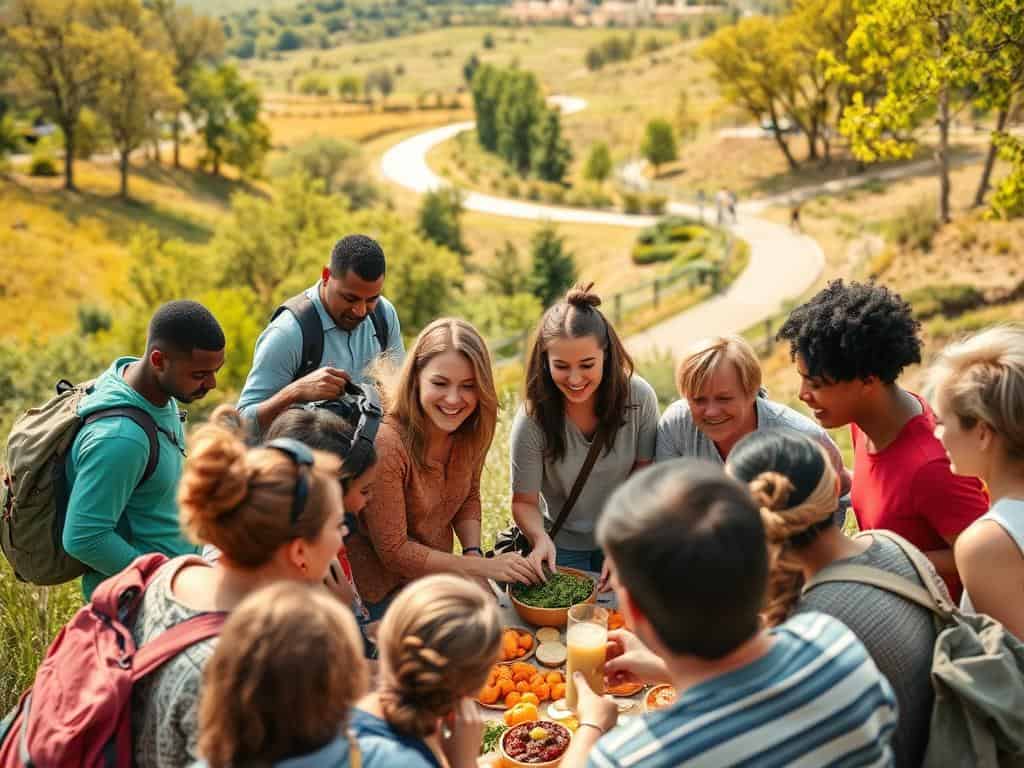
Respectfully share information about disabilities to foster understanding. For instance, explain how a wheelchair helps someone move or how a hearing aid improves communication. These conversations can help children and adults alike look beyond superficial differences.
Model respectful behavior by encouraging everyone to share their unique abilities. Whether it’s a child’s creativity or a colleague’s problem-solving skills, highlighting strengths builds confidence and connection.
Dedicate time to inclusive activities. Whether it’s a family game night or a team-building exercise, these moments help develop empathy and strengthen community bonds. As research shows, diverse groups are 35% more likely to outperform their competitors.
Inclusion isn’t just a thing to notice—it’s a practice to embrace. By taking these practical steps, we can transform ordinary moments into meaningful opportunities for connection and growth.
Strategies to Overcome Challenges and Misconceptions
Stereotypes and misconceptions often cloud our understanding of others. These biases can create barriers, but with compassion and action, we can break them down. Let’s explore practical ways to address these challenges and build a more inclusive world.
Addressing Stereotypes with Compassion
One of the biggest hurdles is overcoming stereotypes. For example, many assume that a person using a wheelchair is limited in their abilities. This couldn’t be further from the truth. Helen Keller, despite being deaf and blind, became a renowned author and activist. Her story reminds us that every person has unique strengths.
Educators and adults play a key role in helping children challenge stereotypes. By encouraging critical thinking and asking thoughtful questions, we can help a child see beyond labels. As one teacher shared, “When we address biases early, we empower young minds to look deeper.”
Building a Supportive Community
A supportive community starts with understanding. Schools and workplaces can foster inclusion by creating spaces where everyone feels valued. For instance, 90% of educators agree that inclusive practices foster empathy among students.
Peer support is also crucial. When a child or adult faces challenges, having a group to lean on makes a difference. Kadeena Cox, a Paralympic champion, credits her success to the support of her community. Her journey shows how teamwork can turn obstacles into opportunities.
Turning Obstacles into Opportunities
Challenges often reveal hidden strengths. Stephen Hawking, despite his physical limitations, revolutionized our understanding of the universe. His life teaches us that what seems like a difference can become a powerful asset.
We can apply this mindset in everyday life. For example, when a child struggles with a task, instead of focusing on the difficulty, we can highlight their creativity or problem-solving skills. This approach helps them see their unique abilities as strengths.
As we navigate life, let’s remember that every challenge is an opportunity to grow. By addressing stereotypes, building supportive communities, and embracing differences, we create a world where every person feels valued and respected.
Conclusion
Every interaction with someone unique has shaped my understanding of the world. From a child using a wheelchair to an adult sharing their cultural traditions, these moments have taught me the value of inclusion. Each difference is a strength that enriches our communities and strengthens our connections.
Throughout my journey, I’ve learned that small actions—like asking thoughtful questions or planning inclusive activities—can make a big impact. Whether at home, school, or work, fostering an environment where everyone feels valued is essential. Real-life examples, such as a group learning a new language together, challenge stereotypes and build empathy.
By embracing diversity and openly discussing our unique traits, we pave the way for a better, more inclusive world. Let’s continue to share our stories, celebrate our strengths, and advocate for fairness. Together, we can create a society where every person feels respected and valued.

