Have you ever wondered what sets top athletes apart from the rest? It’s not just physical strength or talent—it’s their mindset. Mental training plays a crucial role in achieving personal success, whether you’re on the field, in the office, or pursuing a lifelong goal.
I’ve seen firsthand how a strong mindset can transform performance. For example, taking a moment to breathe deeply before a high-pressure event can make all the difference. This simple act connects the mind and body, helping you stay calm and focused.
Great athletes rely on mental training to build confidence, resilience, and focus. But it’s not just for them. Anyone committed to their goals can benefit. By practicing mental exercises, you can improve your performance, reduce stress, and stay motivated even when challenges arise.
Mental training is about more than just sports—it’s a tool for life. It helps you stay disciplined, manage time effectively, and approach challenges with a positive mindset. Whether you’re an athlete, a student, or a professional, these skills can help you achieve your goals and reach your full potential.
Key Takeaways
- Mental training enhances both mental and physical performance.
- It builds confidence, focus, and resilience in high-pressure situations.
- Simple techniques, like deep breathing, can improve focus and calmness.
- It’s not just for athletes—anyone can benefit from mental exercises.
- Consistent practice leads to better stress management and goal achievement.
Understanding the Foundations of Mental Training
What does it take to unlock your full potential in both sports and life? The answer lies in the power of your mind. Mental training is a deliberate process designed to prepare your mind for peak performance. It’s not just about thinking positively—it’s about building a mindset that supports your goals and helps you thrive under pressure.
What is Mental Training?
Mental training involves techniques like guided visualization, mindfulness, and positive self-talk. These tools help you connect your mental state with physical action. For example, a basketball player might visualize making the perfect shot before stepping onto the court. This process builds confidence and sharpens focus, making it easier to perform when it matters most.
It’s not just for athletes. Whether you’re preparing for a big presentation or tackling a personal challenge, mental training can help you stay calm and centered. It’s about creating a mindset that supports your success in every area of life.
Exploring the Mind-Body Connection
The mind and body are deeply connected. When your thoughts are clear and positive, your body responds with better performance. Simple practices like deep breathing or gratitude exercises can help you recenter and stay focused. These small steps can make a big difference in high-pressure situations.
“Baseball is 90 percent mental. The other half is physical.” – Yogi Berra
This connection isn’t just for sports. In everyday life, a strong mind-body link can help you manage stress, stay disciplined, and achieve your goals. By understanding and nurturing this connection, you can unlock your full potential and thrive in any situation.
The Role of Mental Training in Enhancing Performance
The secret to peak performance lies in mastering the mind. While physical ability is essential, it’s the mental edge that often separates the best from the rest. By building confidence, sharpening focus, and fostering resilience, athletes and professionals alike can unlock their full potential.
Boosting Confidence, Focus, and Resilience
Mental preparation is a game-changer. It helps athletes stay calm under pressure and maintain clarity in high-stakes moments. Techniques like visualization and mindfulness create a strategy for success. These practices not only build mental strength but also enhance emotional resilience, allowing individuals to bounce back from setbacks.
Consistency is key. A daily routine of mental exercises can transform performance over time. Whether it’s journaling progress or practicing affirmations, these habits reinforce a positive mindset. The benefit is clear: improved focus, reduced stress, and a competitive edge.
Real-Life Athlete Examples and Success Stories
Take Kobe Bryant, for example. He was known for his meticulous mental preparation. Before every game, he visualized success, building unshakable confidence. Serena Williams uses mindfulness to stay centered during matches, while Michael Phelps relied on a pre-race routine to stay focused and calm.
These athletes prove that mental preparation isn’t just a tool—it’s a necessity. By integrating these practices into their daily lives, they’ve achieved extraordinary results. Their stories highlight the power of a disciplined mind in overcoming challenges and reaching new heights.
Implementing a Mental Training Routine
What if a simple routine could transform your performance in just five minutes? The BRAVR Method™ is a game-changer for athletes and professionals alike. It’s designed to help you perform best under pressure and recover quickly from setbacks.
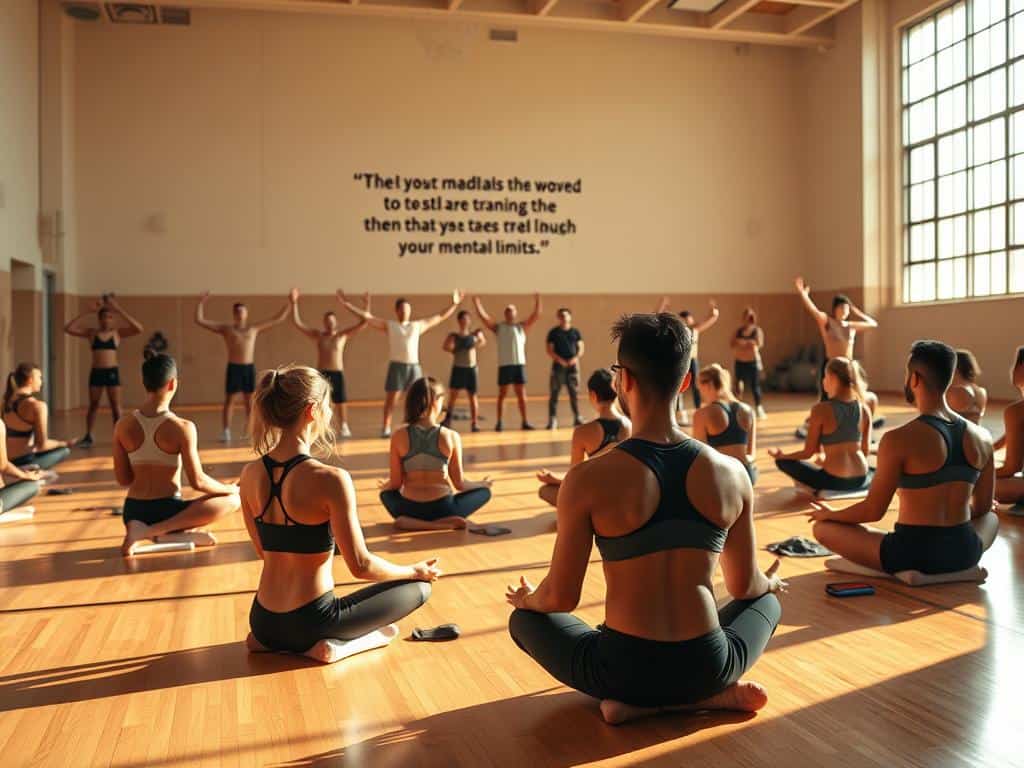
This method is easy to integrate into your daily work. Whether you’re preparing for a competition or reflecting afterward, it takes just a few minutes. The BRAVR Method™ focuses on building a healthy mindset alongside physical readiness.
Introducing The BRAVR Method™
The BRAVR Method™ is a structured way to enhance focus and resilience. It combines visualization, deep breathing, and positive self-talk. These exercises help you stay calm and centered, even in high-pressure situations.
Consistency is key. By dedicating a small amount of time each day, you’ll see significant improvements. This routine not only boosts performance but also supports overall health and well-being.
“The BRAVR Method™ has been a game-changer for my focus and recovery.” – Professional Athlete
Integrating this method into your daily exercise routine can make a big difference. It helps manage emotional stress and keeps you on track for continuous improvement. The BRAVR Method™ is more than a tool—it’s a lifestyle.
Proven Strategies to Overcome Mental Barriers
Breaking through mental barriers isn’t just about willpower—it’s about strategy. Many people believe that overcoming these challenges requires innate talent or quick fixes. However, the truth is that consistent effort and the right tools can make all the difference.
Debunking Common Mental Training Myths
One of the biggest myths is that mental training is only for elite athletes. In reality, anyone can benefit from these techniques. Another misconception is that results come overnight. Like physical exercise, mental development requires consistent practice and patience.
Studies show that 90% of sports performance is attributed to mental training. This highlights its importance not just for athletes but for anyone aiming to improve their skill and technique. By treating the mind like a muscle, you can build resilience and focus over time.
Turning Pressure and Fear into Performance Power
Pressure and fear are often seen as obstacles, but they can be powerful motivators. The key is to reframe these emotions as opportunities for growth. For example, athletes who practice mindfulness report a 40% reduction in anxiety levels. This allows them to perform better under stress.
Using tools like visualization and positive self-talk can transform fear into focus. These techniques help you stay calm and centered, even in high-pressure situations. By integrating these practices into your daily routine, you can turn challenges into stepping stones for success.
“The mind is everything. What you think, you become.” – Buddha
Remember, mental and physical training go hand in hand. By nurturing both your body and mind, you can achieve peak performance and reach your full potential.
Integrating Mental Training into Everyday Life
How can small daily habits lead to big changes in your performance? The key lies in weaving mental resilience into your routine. By focusing on simple, consistent practices, you can transform stress into strength and fear into focus.
Practical Daily Exercises and Routines
Start with mindfulness. Just 10 minutes of meditation each day can reduce stress and improve focus. This practice helps athletes stay calm under pressure and enhances their overall experience in training sport.
Visualization is another powerful tool. Spend a few minutes imagining success before a big event. This technique builds confidence and prepares your mind for high-stakes moments. It’s a simple way to help athletes perform at their best.
Daily journaling can also make a difference. Write down your goals, progress, and challenges. This habit keeps you accountable and reinforces a positive mindset. Over time, it boosts your power to overcome fear and stress.
“The mind is everything. What you think, you become.” – Buddha
Structured Routines for Lasting Impact
Create a morning routine that includes deep breathing and affirmations. This sets a positive tone for the day and prepares you for challenges. Consistency is key to building mental resilience at every level.
Incorporate mental exercises into your workout. For example, use visualization during rest periods. This reinforces the connection between mind and body, enhancing your training sport performance.
End your day with reflection. Review what went well and what you can improve. This practice helps you manage stress and stay focused on your goals. It’s a simple way to help athletes grow stronger every day.
By integrating these practices into your routine, you’ll see lasting improvements. Whether you’re an athlete or not, these habits can transform your experience and unlock your full potential.
Conclusion
What truly sets apart a professional athlete from the rest? It’s not just physical ability—it’s their state of mind. Mental preparation is a critical factor that elevates performance, both on the field and in everyday life. By focusing on the mind, athletes can unlock their full potential and thrive under pressure.
Integrating mental preparation into daily routines can transform how you approach challenges. Whether it’s through visualization, mindfulness, or positive self-talk, these strategies build resilience and sharpen focus. Over time, they create a mindset ready for any game or high-stakes moment.
Investing in mental preparation is as vital as physical training. It’s not just for athletes—anyone aiming for success can benefit. Start small, stay consistent, and watch how it transforms your state of mind and performance. The results will speak for themselves.

