Choosing where to live is one of the most important decisions we make. It shapes our daily experiences, influences our opportunities, and defines our sense of belonging. For me, this choice has always been a tug-of-war between the vibrancy of city life and the peacefulness of rural areas.
Recent data from Pew Research Center highlights significant shifts in population and lifestyle trends. Many people are drawn to the bustling energy of the city, where amenities and opportunities abound. Others prefer the tranquility of a rural area, where open space and nature take center stage.
These differences go beyond just scenery. They affect how we connect with our community, the jobs we pursue, and even our sense of identity. As someone who has experienced both, I’ve come to appreciate the unique strengths of each place.
This article explores these contrasts in depth. We’ll look at job opportunities, social connections, and infrastructure to help you decide which lifestyle suits you best. Whether you’re drawn to the fast-paced rhythm of the city or the slower pace of a rural area, understanding these dynamics can guide your decision.
Key Takeaways
- City life offers vibrant energy and extensive amenities.
- Rural areas provide peace, open space, and a closer connection to nature.
- Population trends show a shift toward urban and suburban living.
- Community attachment varies significantly between city and rural residents.
- Job opportunities and infrastructure differ greatly between these areas.
Understanding Urban vs. Rural Living
The way we define where we live shapes our daily experiences. Whether it’s a bustling urban area or a quiet rural setting, these classifications impact everything from jobs to personal connections. Understanding these distinctions helps us make informed decisions about our lifestyle.
Defining Urban, Suburban, and Rural Communities
According to the U.S. Census Bureau, an urban area is defined by its population density and infrastructure. These areas are typically home to over 50,000 people and offer extensive amenities. Suburban communities, on the other hand, are located on the outskirts of cities, blending urban conveniences with more space. Rural areas are characterized by open landscapes and smaller populations, often with fewer services.
These definitions are based on both self-identification and government data. For example, the National Center for Education Statistics categorizes locales into city, suburban, town, and rural, further distinguishing them by population size and proximity to urban centers.
Demographic and Political Shifts
Recent trends show significant changes in population distribution. Since 2000, urban counties have grown by 13%, while suburban areas have seen a 16% increase. In contrast, half of rural counties have experienced population declines. These shifts reflect a broader movement toward urban and suburban living, driven by factors like job opportunities and lifestyle preferences.
Political affiliations also vary by community type. Urban voters tend to lean Democratic, while rural residents often favor Republican candidates. This divide highlights how different environments shape not just daily life but also broader societal trends.
Access to services and family ties further influence personal choices. For instance, a person living in an urban area might prioritize proximity to work and entertainment, while someone in a rural setting may value space and nature. These differences underscore the importance of understanding community definitions when deciding where to live.
City Life: Pros and Cons of Urban Living
Living in a city offers a unique blend of excitement and challenges. Every year, millions of people are drawn to the energy and opportunities that cities provide. As a resident, I’ve experienced firsthand the vibrant culture and extensive amenities that make city life so appealing. However, it’s not without its downsides.
Vibrant Culture and Extensive Amenities
One of the biggest draws of city life is the vibrant culture. From art galleries to music festivals, there’s always something happening. I’ve found that this constant activity keeps life interesting and engaging. Cities also offer a wide range of amenities, from top-notch schools to diverse dining options.
Public transportation is another major advantage. In many cities, up to 30% of residents rely on public transit, reducing the need for car ownership. This not only saves money but also makes getting around more convenient. For me, this has been a game-changer in my daily life.
Challenges: High Cost, Congestion, and Competition
Despite the perks, city living comes with its own set of challenges. The cost of living is significantly higher, with housing prices often 2-3 times more than in rural areas. This can make finding an affordable home a struggle.
Congestion is another issue. Cities are bustling with activity, which can lead to crowded streets and longer commutes. Competition for jobs is also intense, with urban areas seeing 3-5 applicants for every opening. This can make career advancement more difficult.
Pollution and noise are additional concerns. Urban air quality often exceeds safe levels, and noise pollution can be overwhelming. These factors can impact your quality of life in unexpected ways.
Balancing the benefits and drawbacks of city living is crucial. For me, the dynamic environment and endless opportunities make it worth the challenges. However, it’s important to weigh these factors carefully when deciding if city life is the right way for you.
Rural Life: Balancing Tranquility and Limitations
Rural life offers a unique blend of peace and simplicity that many find irresistible. For me, the appeal lies in the high level of privacy and the abundant space that allows for a deeper connection to nature. It’s a lifestyle that contrasts sharply with the fast-paced rhythm of cities, providing a chance to slow down and recharge.
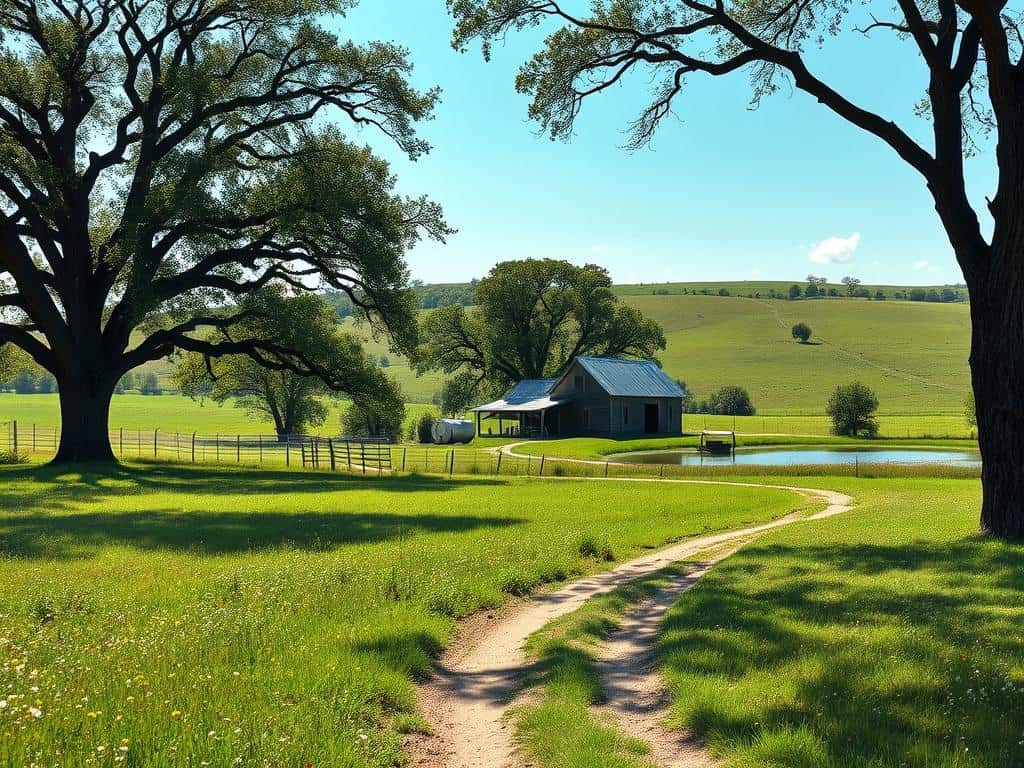
Living in a rural community means waking up to the sound of birds rather than traffic. The open landscapes and natural beauty create a sense of calm that’s hard to replicate elsewhere. This tranquility is one of the biggest draws for those seeking a break from urban hustle and bustle.
Privacy, Space, and Closeness to Nature
One of the most significant advantages of rural living is the privacy it offers. With fewer neighbors and larger properties, you can enjoy a sense of seclusion that’s rare in crowded areas. This space also allows for activities like gardening, hiking, or simply enjoying the outdoors.
The closeness to nature is another major benefit. Whether it’s watching a sunset over open fields or stargazing on a clear night, rural areas provide endless opportunities to connect with the environment. For me, this connection has been a source of inspiration and peace.
Limited Access to Specialized Services and Amenities
While rural living has its perks, it also comes with challenges. One of the most notable is the limited access to specialized services. Healthcare facilities, schools, and entertainment options are often farther away, requiring longer commutes.
This change in service levels can be a significant adjustment, especially for those used to urban conveniences. However, many rural communities are finding ways to bridge this gap, blending urban rural dynamics to offer more amenities while preserving their charm.
Despite these limitations, the slower pace and natural beauty of rural areas provide a unique opportunity to live a more relaxed and fulfilling life. For those willing to adapt, it’s a lifestyle that offers both challenges and rewards.
Economic Opportunities and Job Market Comparison
Economic opportunities shape our lifestyle choices in profound ways. Whether you’re drawn to the bustling energy of a city or the calm of a rural setting, understanding the job market is crucial. I’ve explored how income trends and employment patterns differ, and how these factors influence decisions about where to live.
Income Trends and Employment Patterns
Income trends reveal stark contrasts between city and rural areas. According to the Census Bureau, median household income in rural communities is 4% lower than in urban centers. This gap reflects differences in job availability and earning potential. For instance, urban areas consistently report earnings higher than the national average.
Employment patterns also vary significantly. Urban areas provide a wider range of job opportunities, leading to increased earning potential. However, competition is intense, with 3-5 applicants for every opening. In contrast, rural areas often face challenges attracting talent, with 65.3% of manufacturers reporting difficulty hiring new employees.
Impact of Urban-Rural Economic Interdependence
The relationship between urban and rural economies is mutually beneficial. Urban centers drive innovation and create jobs, while rural areas supply resources and space. This interdependence helps bridge economic gaps and fosters growth in both settings.
For example, rural manufacturers often cite lower housing costs and available facilities as key advantages. Meanwhile, urban manufacturers prioritize existing infrastructure and proximity to suppliers. These dynamics highlight how time and location play critical roles in defining economic opportunities.
Understanding these trends can guide your decision-making. Whether you prioritize career advancement or a lower cost of living, weighing these factors ensures you make an informed choice.
Community, Social Connections, and Cultural Diversity
The way we connect with others defines our sense of belonging. Whether in a bustling city or a quiet town, our relationships shape our daily lives. My experience has shown me how these connections differ across settings, influencing everything from personal interactions to long-term relationships.
Close-Knit Rural Communities
In rural areas, the sense of kinship is palpable. Neighbors often know each other by name and look out for one another. According to Pew Research, 40% of rural residents know all or most of their neighbors, compared to just 24% in urban areas. This closeness fosters a strong support system that’s hard to replicate elsewhere.
Access to amenities may be limited, but the deep-rooted social bonds make up for it. I’ve found that people in rural towns often come together for community events, creating a shared sense of purpose. This difference in interaction style has shaped my understanding of what it means to truly belong.
Diverse and Dynamic Urban Networks
Urban areas, on the other hand, offer a vibrant mix of cultures and backgrounds. The diversity here creates endless opportunities for both work and leisure. I’ve met people from all walks of life, each bringing their unique perspectives to the table.
However, maintaining a social network in a city can be challenging. With so many services and activities available, it’s easy to feel overwhelmed. Yet, the dynamic nature of urban life ensures there’s always something new to experience.
“In cities, you’re surrounded by people, but it’s up to you to build meaningful connections.”
Both settings have their pros and cons. Rural communities offer a slower pace and strong bonds, while urban areas provide diversity and endless opportunities. Understanding these differences can help you decide which lifestyle aligns with your values.
Access to Amenities, Infrastructure, and Quality of Life
Access to essential services can define the quality of life in any community. Whether it’s transportation, healthcare, or education, the resources we rely on vary greatly by location. I’ve found that the state of infrastructure plays a key role in shaping daily experiences and overall satisfaction.
Transportation, Healthcare, and Education Services
In many areas, access to transportation is a game-changer. Urban settings often have extensive public transit systems, while rural areas rely more on personal vehicles. This kind of difference can impact everything from daily commutes to access to jobs and services.
Healthcare is another critical factor. Rural areas face challenges like longer distances to hospitals and fewer specialists. For example, 66.33% of Primary Care Health Professional Shortage Areas are in rural regions. This highlights the need for better healthcare infrastructure in these communities.
Education also varies significantly. Urban schools often have more resources and diverse programs, while rural schools may struggle with funding. These disparities affect not just students but the entire community’s future.
Housing, Cost of Living, and Daily Conveniences
Housing is another area where differences are stark. Urban areas tend to have higher costs, with housing prices often 2-3 times more than in rural settings. However, rural areas may lack the right kind of housing options, such as apartments or modern homes.
Daily conveniences like grocery stores, pharmacies, and entertainment options also differ. Urban residents enjoy a wide range of amenities, while rural residents may need to travel farther for the same services. This interaction with resources shapes daily life in profound ways.
“Infrastructure is the backbone of any thriving community, and its quality directly impacts residents’ well-being.”
Understanding these differences helps us see the need for balanced development. Whether in cities or rural areas, the right kind of infrastructure can make all the difference in creating a flourishing community.
Conclusion
Deciding where to settle is a deeply personal choice influenced by lifestyle priorities. From my experience, the availability of land and the rhythm of minute-to-minute life play a significant role in shaping this decision. The result of my analysis shows that there’s no one-size-fits-all solution when it comes to choosing a place to call home.
Understanding the relationship between community dynamics, access to amenities, and overall quality of life is crucial. Whether you value the vibrancy of a bustling environment or the tranquility of open spaces, these factors should guide your choice. Reflect on what matters most to you—be it career opportunities, social connections, or a slower pace.
Ultimately, the balance between these elements will define your experience. Take the time to evaluate your needs and aspirations carefully. The right choice will align with your vision for a fulfilling life.

