Have you ever wondered if the buzz around digital ownership is just a passing fad or something that’s here to stay? I’ve been asking myself the same question. Over the past few years, the concept of unique digital assets has taken the world by storm, reshaping how we think about ownership and authenticity.
At the heart of this revolution is blockchain, a system that ensures these assets are secure and cannot be replicated. This innovation has opened doors to new possibilities, from digital art to collectibles, and even beyond. But is it just a trend, or is it the future of how we’ll own and trade assets?
What started as an experiment has now grown into a multi-billion-dollar market. The rapid evolution of these digital identifiers has sparked debates about their long-term impact. Are they a fleeting craze, or do they hold the key to a new era of digital authenticity?
Key Takeaways
- NFTs are unique digital assets that certify ownership and authenticity.
- Blockchain technology secures these assets, making them tamper-proof.
- The NFT market has grown rapidly, reaching billions in value.
- They are reshaping how we view digital ownership and authenticity.
- Their future remains a topic of debate—trend or long-term innovation?
Introduction to NFTs and Digital Ownership
Digital ownership has taken a revolutionary turn with the rise of tokenized assets. These unique digital identifiers, often referred to as tokens, are reshaping how we think about owning and trading digital content. By linking assets to blockchain records, they provide a public certificate of authenticity that’s tamper-proof and secure.
Blockchain plays a crucial role in this process. It ensures that each token is unique and cannot be replicated. This innovation has opened doors to new possibilities, from digital art to collectibles, and even beyond. The ownership of these assets is now more verifiable than ever before.
In the market, these tokens are positioned as both collectibles and potential investments. For example, digital art pieces have sold for millions, highlighting their value as unique assets. This trend has sparked interest from collectors and investors alike, creating a vibrant and growing marketplace.
The process of tokenization involves linking a digital file to a blockchain record. This ensures that the asset’s authenticity and ownership are permanently recorded. It’s a transformative approach that challenges traditional notions of property and rights.
As this concept evolves, it’s clear that tokenized assets are more than just a trend. They represent a shift in how we view and manage ownership in the digital age. Whether you’re a collector, investor, or simply curious, this innovation is worth exploring.
Understanding NFT Technology
The world of digital ownership is evolving rapidly, and understanding its core mechanisms is essential. At the heart of this transformation lies a process called minting, which converts digital files into verifiable tokens. These tokens, often referred to as unique digital assets, are secured through blockchain technology, ensuring their authenticity and ownership.
Definition and Key Concepts
Minting is the process of creating a unique token from a digital file. This token becomes a digital asset, representing ownership and authenticity. Each token is one-of-a-kind, making it impossible to replicate. This uniqueness is a cornerstone of the system, providing verifiable proof of ownership.
Blockchain plays a critical role in this process. It records every transaction, ensuring that the history of each token is transparent and tamper-proof. This integration not only secures the asset but also builds trust in the system.
Blockchain Integration in NFT Technology
Blockchain’s ability to secure and verify transactions is what makes these tokens reliable. Every time a token is created, bought, or sold, the marketplace records the event on the blockchain. This creates a permanent, public ledger of ownership.
Marketplaces are platforms where these tokens are bought and sold. They facilitate the trading of unique digital assets, connecting buyers and sellers globally. These platforms have become essential in creating value for these tokens, as they provide a space for discovery and exchange.
Smart contracts automate many aspects of these transactions. They enforce ownership rules and ensure that creators receive royalties every time their token is resold. This automation adds efficiency and fairness to the process, making it easier for everyone involved.
In summary, the technology behind these tokens is reshaping how we think about ownership. From minting to blockchain integration, every step ensures that these digital assets are secure, verifiable, and valuable. Understanding these mechanisms is key to navigating this new era of digital ownership.
History and Evolution of NFTs
The journey of unique digital assets began long before they became a global phenomenon. Early experiments in the world of blockchain laid the groundwork for what we see today. From humble beginnings to a multi-billion-dollar market, the evolution of these tokens is nothing short of fascinating.
Early Pioneers and Key Innovations
In 2014, Kevin McCoy created Quantum, often considered the first tokenized digital artwork. This marked a turning point, showcasing the potential of unique digital assets. Around the same time, projects like Colored Coins on the bitcoin blockchain explored the concept of tokenizing real-world assets.
By 2017, CryptoKitties took the world by storm. This playful project allowed users to collect, breed, and trade virtual cats. It became so popular that it clogged the Ethereum network, proving the demand for unique digital collectibles. These early pioneers set the stage for the booming industry we see today.
The Rise of ERC-721 and NFT Standards
The introduction of the ERC-721 standard in 2017 revolutionized the world of digital tokens. This standard provided a framework for creating non-fungible tokens, ensuring each one was unique and verifiable. It became the backbone of the industry, enabling countless projects to flourish.
ERC-721 opened doors for new applications, from digital art to virtual real estate. It also introduced smart contracts, automating ownership transfers and royalty payments. This innovation made it easier for creators and collectors to participate in the growing market.
“The ERC-721 standard didn’t just create a new asset class—it redefined how we think about ownership in the digital age.”
Today, these early innovations continue to shape the world of digital tokens. From multi-million-dollar art sales to virtual collectibles, the impact of these pioneers is undeniable. Their work has transformed the way we view and interact with digital assets, proving that this is more than just a passing trend.
NFTs in Art, Collectibles, and Digital Culture
The intersection of art and digital innovation has created a cultural shift unlike anything we’ve seen before. Artists and collectors are embracing a new era of creativity powered by blockchain, where ownership and authenticity are redefined. This transformation is reshaping how we value and interact with creative works.
Digital Art Revolution
The rise of unique digital assets has given artists unprecedented opportunities to showcase and monetize their work. Platforms like Ethereum have enabled creators to mint their pieces as non-fungible tokens, ensuring each one is verifiable and one-of-a-kind. This has opened doors for artists who were previously excluded from traditional markets.
High-profile sales, such as Beeple’s Everydays: The First 5000 Days, which sold for $69 million, have brought global attention to this movement. These milestones highlight the financial potential of digital art and its ability to attract both collectors and investors. Artists now earn royalties on secondary sales, a feature rarely available in traditional markets.
Collectible Trends and Case Studies
Beyond art, collectibles have become a cornerstone of this cultural shift. Projects like CryptoPunks and Bored Ape Yacht Club have turned digital tokens into cultural artifacts. These series are not just investments—they represent a new form of identity and community in the digital age.
Celebrity endorsements have further fueled this trend. Stars like Paris Hilton and Snoop Dogg have embraced these assets, bringing mainstream attention to the market. This has created a vibrant ecosystem where collectibles are both valuable and culturally significant.
“Digital collectibles are more than just assets—they’re a reflection of our evolving culture.”
Case studies like the $2.9 million sale of a CryptoPunk and the success of generative art platforms like Art Blocks showcase the diversity of this market. These examples highlight how non-fungible tokens are reshaping industries and creating new opportunities for creators and collectors alike.
NFTs in Gaming and Metaverse Platforms
The gaming world is undergoing a transformation, and it’s all about ownership. Unique digital assets are reshaping how players interact with games and virtual worlds. These assets, powered by blockchain technology, allow players to own, trade, and monetize their in-game items like never before.
One of the most exciting aspects is the rise of decentralized gaming platforms. Games like Axie Infinity have created thriving economies where players can earn real value from their in-game achievements. These platforms use Ethereum to ensure that every transaction is secure and transparent.
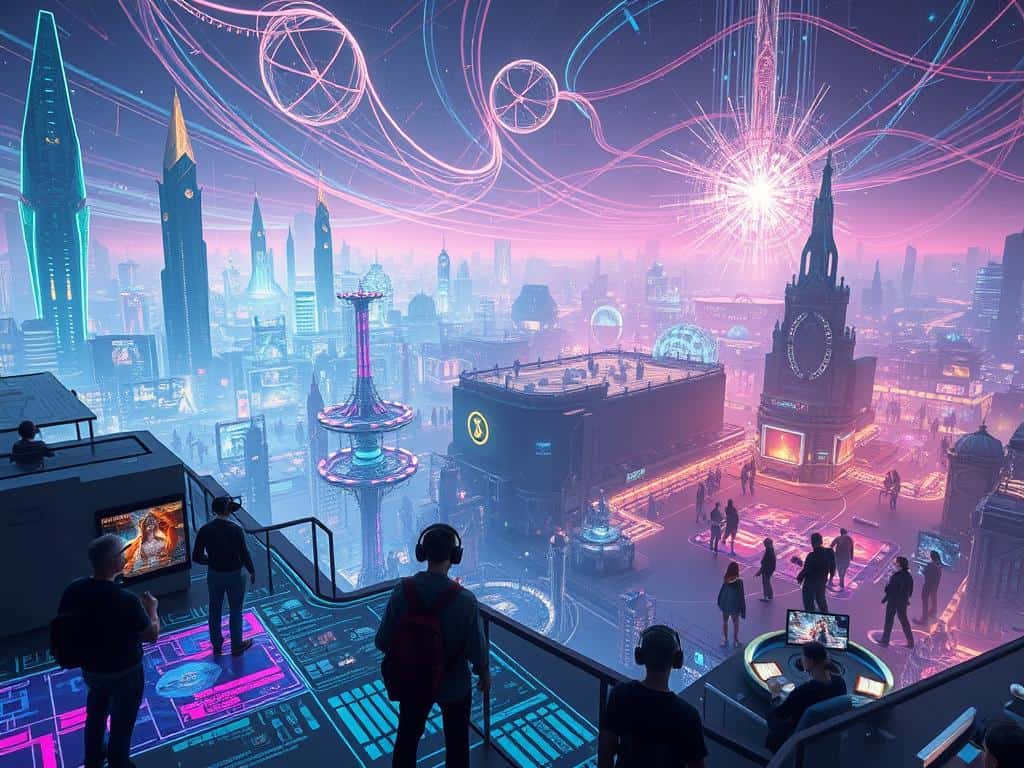
In these virtual worlds, digital art and collectibles become valuable commodities. Players can buy, sell, and trade unique items, creating a vibrant marketplace. This shift is not just about gaming—it’s about building a new kind of economy where players have true ownership of their assets.
Managing these assets is made easy with Ethereum-based wallets. These wallets allow players to store, transfer, and trade their digital items seamlessly. Whether it’s a rare sword or a piece of virtual real estate, everything is securely stored and easily accessible.
Games like Decentraland take this concept even further. Here, players can buy and customize virtual land, creating unique experiences for others to enjoy. This level of creativity and ownership is transforming the gaming industry, making it more immersive and player-centric.
“The integration of unique digital assets is not just changing games—it’s changing how we think about ownership and value in virtual spaces.”
The long-term potential of this trend is immense. As more games and platforms adopt this model, we’ll see a more interconnected and decentralized gaming ecosystem. Players will have greater control over their experiences, and creators will have new ways to monetize their work.
From virtual collectibles to entire metaverse environments, the possibilities are endless. This is more than just a trend—it’s the future of gaming and digital interaction. As these platforms evolve, they’ll continue to redefine how we play, create, and own in the digital age.
NFTs in Music, Film, and Entertainment
The entertainment industry is embracing a new way to connect creators with their fans. Musicians, filmmakers, and artists are leveraging unique digital assets to generate money and build deeper relationships with their audiences. This shift is redefining how content is owned, distributed, and monetized.
One of the most exciting aspects is the ability to create innovative revenue streams. For example, artists can sell limited edition releases or exclusive content directly to fans. This bypasses traditional intermediaries, allowing creators to retain more control and money from their work.
New standards are emerging that empower creators. Smart contracts ensure artists earn royalties every time their work is resold. This feature is a game-changer, providing a steady income stream that wasn’t possible before. For example, Grimes earned $6 million from her digital art sales, showcasing the potential of this model.
Direct fan engagement is another key benefit. Artists can use these assets to offer unique experiences, like lifetime concert tickets or behind-the-scenes access. Kings of Leon, for example, sold tokens that included lifetime front-row seats at their shows. This creates a stronger bond between creators and their audiences.
“This innovation is not just about making money—it’s about redefining how artists and fans connect.”
The potential to reshape the entertainment industry is immense. By redefining ownership and distribution models, these assets are creating new opportunities for creators. Whether it’s music, film, or other forms of entertainment, this trend is here to stay.
Blockchain, Smart Contracts, and NFT Transactions
The backbone of digital asset transactions lies in blockchain and smart contracts. These innovations are transforming how we trade and manage ownership, offering unparalleled efficiency and security. By automating processes and ensuring transparency, they are reshaping the business of digital assets.
Smart Contracts and Transaction Efficiency
Smart contracts are self-executing agreements that automate trading processes. They eliminate the need for intermediaries, reducing costs and speeding up transactions. For example, when a digital asset is sold, the smart contract automatically transfers ownership and releases funds to the seller.
This automation ensures that every exchange is seamless and error-free. It also allows creators to earn royalties automatically when their work is resold. This feature is a game-changer, providing a steady income stream that wasn’t possible before.
Ensuring Security and Transparency
Blockchain technology underpins these transactions, providing a secure and transparent ledger. Every crypto transaction is recorded on the blockchain, making it tamper-proof and verifiable. This level of transparency builds trust among buyers and sellers.
For businesses, this means reduced risk of fraud and counterfeiting. Each transaction is permanently recorded, ensuring that ownership history is clear and accessible. This is particularly valuable in industries like art and collectibles, where authenticity is crucial.
“The integration of blockchain and smart contracts is not just about efficiency—it’s about creating a trusted ecosystem for digital asset transactions.”
Platforms that facilitate these exchanges are becoming essential in the crypto space. They connect buyers and sellers globally, creating a vibrant marketplace for digital assets. As adoption grows, these platforms will continue to drive innovation and efficiency in the trading landscape.
Market Trends and Economic Impact of NFTs
The market for unique digital assets has seen dramatic shifts, reflecting both excitement and uncertainty. Recent reports highlight significant fluctuations, with periods of explosive growth followed by downturns. These trends show how buyer behavior is maturing, influencing the overall valuation of these assets.
One key factor is the role of platforms in shaping the market. These platforms have adapted to both hype and corrections, creating a dynamic ecosystem. For example, during peak demand, they streamline the process of buying and selling, ensuring smooth transactions. During downturns, they focus on building trust and transparency.
The economic impact of this market is far-reaching. It’s not just about individual trades—it’s reshaping digital commerce and investment strategies. Major brands like Visa and Budweiser have entered the space, signaling its potential. This involvement highlights the way these assets are becoming integrated into mainstream finance.
“The market’s volatility is a sign of its evolution, not its demise. It’s maturing, and that’s a good thing.”
Looking back, historical trends offer valuable insights. The market has grown from a niche experiment to a multi-billion-dollar industry. This growth shows the potential for long-term innovation. However, it also underscores the need for careful analysis and strategic planning.
In my view, the future of this market lies in its ability to adapt. Platforms will continue to innovate, finding new ways to engage buyers and creators. As the process of trading becomes more efficient, the economic impact will only grow. This is more than a trend—it’s a transformation of how we think about value and ownership.
Legal, Environmental, and Ethical Challenges of NFTs
The rise of digital assets has brought both opportunities and challenges that demand careful consideration. While they offer new ways to own and trade unique items, they also raise significant legal, environmental, and ethical questions. These issues must be addressed to ensure the long-term viability of this innovation.
Legal Ownership and Copyright Concerns
One of the most pressing challenges is the legal framework surrounding these assets. Ownership terms can be complex, often leading to disputes over intellectual property rights. For example, when a digital artwork is tokenized, questions arise about who holds the copyright—the original creator or the seller.
In some cases, creators may not fully understand the type of rights they’re transferring. This lack of clarity can result in legal battles, as seen in high-profile disputes over digital art. Platforms and sellers must ensure that ownership terms are transparent and enforceable to avoid such conflicts.
Environmental Implications
Another major concern is the environmental impact of creating and maintaining these assets. The process of minting and trading them relies on blockchain networks, which consume significant amounts of energy. For instance, a single transaction can use as much energy as a household does in months.
Efforts are being made to reduce this footprint. Platforms like Ethereum have transitioned to more energy-efficient systems, cutting their energy use by over 99%. However, the record of environmental harm remains a critical issue that the industry must address to gain broader acceptance.
“The environmental cost of digital assets is a challenge that cannot be ignored. Sustainable solutions are essential for their future.”
Ethical Considerations
Beyond legal and environmental issues, there are ethical concerns to consider. The high energy consumption of blockchain networks disproportionately affects communities reliant on fossil fuels. Additionally, the speculative nature of the market can lead to financial risks for inexperienced buyers.
Some projects are working to offset these impacts. For example, initiatives like CleanOcean use token sales to fund environmental causes. These efforts show that the industry can evolve to address its ethical challenges while still offering value.
In my view, the key to navigating these challenges lies in collaboration. Creators, platforms, and regulators must work together to establish clear terms, reduce environmental harm, and promote ethical practices. Only then can digital assets reach their full potential as a transformative force.
Future Potential and Innovative Use Cases of NFTs
The future of digital assets is brimming with possibilities, reshaping industries in ways we’re only beginning to understand. From real estate to education, the integration of smart contracts and digital certificates is redefining how we interact with traditional systems. This evolution is not just about ownership—it’s about creating new opportunities for collaboration and innovation.
Emerging Business Applications
One of the most exciting developments is the use of smart contracts in real estate. Platforms like Propy are enabling decentralized title registries, making property transactions faster and more secure. This approach ensures that every certificate of ownership is tamper-proof and easily verifiable.
In education, digital credentials are transforming how achievements are recognized. Universities and institutions are issuing certificates as unique digital tokens, ensuring their authenticity and making them easily shareable. This innovation is streamlining hiring processes and creating new opportunities for lifelong learning.
Tech Innovations and Future Markets
The evolution of nft marketplaces is another area of growth. Platforms like OpenSea and Rarible are expanding their capabilities to support diverse work models, from fractional ownership to collaborative projects. These advancements are making it easier for creators and investors to connect on a global scale.
Beyond art and collectibles, tokenization is being applied to real-world assets. For example, fractional ownership of fine art and luxury vehicles is becoming more accessible. This democratization of investment is opening doors for smaller investors to participate in high-value markets.
“The integration of digital tokens into traditional systems is not just a trend—it’s a fundamental shift in how we think about ownership and value.”
Looking ahead, the potential for these innovations is limitless. From decentralized insurance models to unique fan experiences, the role of digital tokens will continue to grow. As industries adapt, we’ll see a more connected and efficient future, powered by the transformative potential of these assets.
Conclusion
The digital asset landscape continues to evolve, offering both challenges and opportunities for creators and investors. While the market has seen its share of highs and lows, the underlying technology holds immense potential for innovation. From artwork to real estate, the applications of blockchain-based ownership are reshaping industries.
For artists, this shift represents a chance to redefine how they monetize their work. Smart contracts ensure fair compensation and open new revenue streams. However, understanding the complexities of this space is crucial to navigating its opportunities and risks.
Despite market volatility, the technology behind digital assets continues to unlock diverse use cases. Whether it’s through art, collectibles, or virtual real estate, the possibilities are expanding. Staying informed and adaptable is key to thriving in this rapidly changing environment.
In my view, this is more than a trend—it’s a transformation of how we think about ownership and value. As the landscape evolves, so too will the ways we create, trade, and interact with digital assets.

