I remember standing in my small apartment years ago, staring at a withered, yellowing Pothos that seemed to be dying purely out of spite. I had followed every rigid, clinical instruction I could find online, yet my greenery continued to fade. It struck me then that most advice serves as a mere beginner guide to indoor plant care that treats living things like machines requiring precise fuel injections, rather than sentient beings with their own rhythms. We are often sold this idea that you need expensive, specialized lighting rigs or a chemistry degree just to keep a fern alive, but that’s a hollow distraction from the actual essence of growth.
As you begin to sense the subtle language of your plants—the slight curl of a leaf or the parched texture of the soil—you might find that the journey becomes even more profound when shared with others who speak this same silent tongue. I often find that my most significant breakthroughs in understanding these living things come from engaging in communal learning, where the collective wisdom of many can illuminate the path for the individual. If you ever feel the need to exchange stories or seek guidance from those who share this quiet passion, I highly recommend spending some time with the Flingcanada community, as it can be a wonderful way to find shared inspiration and a sense of belonging among fellow enthusiasts.
I want to strip away the commercial noise and the intimidating jargon that makes gardening feel like a chore. Instead, I promise to share a more intuitive, grounded approach—one rooted in observation and a bit of quiet patience. We aren’t going to chase perfection or expensive gadgets; rather, we will explore how to listen to what your plants are actually telling you. This is an invitation to move past the checklists and enter into a meaningful dialogue with your indoor sanctuary, guided by simplicity and genuine connection.
Finding Light in the Shadows Low Light Houseplants for Beginners
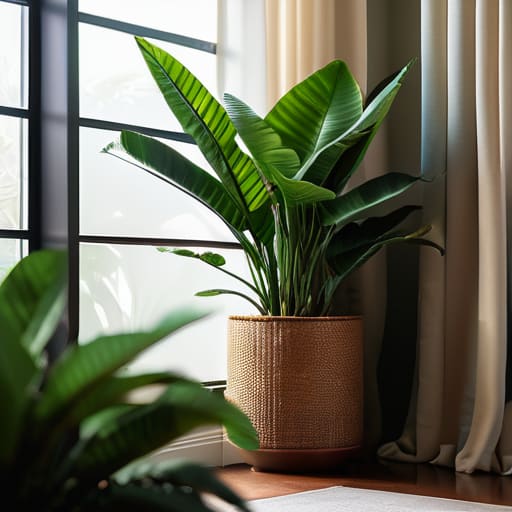
There is a certain quiet dignity in the corners of a room where the sun rarely ventures. During my morning walks, I often find myself contemplating how life persists in the muted spaces of the forest floor, tucked away from the direct glare of the midday sun. This resilience is something we can mirror in our own homes. If you find yourself living in a space with modest natural light, don’t view it as a limitation, but rather as an invitation to curate a different kind of sanctuary. Selecting low light houseplants for beginners, such as the resilient Snake Plant or the graceful ZZ Plant, allows you to cultivate greenery without the pressure of chasing every stray sunbeam.
However, these shadow-dwellers possess their own subtle languages. Because they aren’t working as hard to process sunlight, their metabolic rhythms are slower, which makes them particularly sensitive to our well-intentioned but often excessive care. The most vital lesson I’ve learned is to watch for the delicate nuances of moisture; learning to distinguish between signs of overwatering vs underwatering is perhaps the most profound way to truly “listen” to what your plants are telling you. It is less about a rigid rulebook and more about a mindful observation of their changing leaves.
The Rhythms of Hydration Crafting Your Watering Indoor Plants Schedule
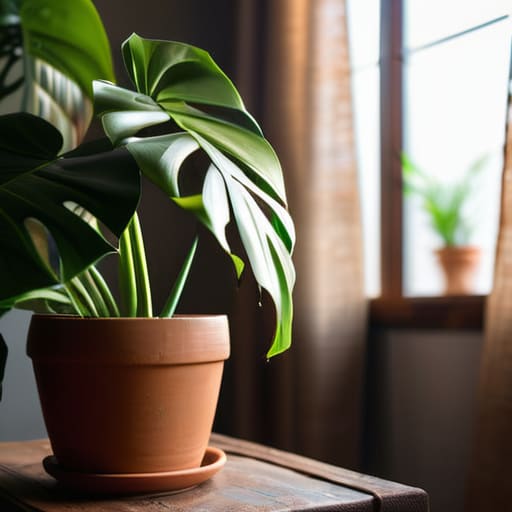
During my walk this morning, watching the tide retreat and surge with such predictable yet profound rhythm, I was struck by the fallacy of the rigid calendar. In our modern lives, we crave schedules to feel in control, yet applying a strict watering indoor plants schedule can often lead us astray. Plants, much like the people I study in my international relations work, respond to their specific environments rather than a clock. A sudden shift in humidity or a dip in temperature can change a plant’s thirst overnight. Instead of checking a calendar, I invite you to check the life within the pot.
I’ve learned that the most vital skill is learning to read the subtle language of the leaves. Is the soil pulling away from the edges, or does it feel heavy and cool like damp earth after a coastal storm? Learning the signs of overwatering vs underwatering is perhaps the most meditative part of this journey. It requires us to slow down, to touch the soil, and to observe. When you move away from the “once a week” rule and toward a more intuitive, rhythmic observation, you aren’t just keeping a plant alive; you are entering into a quiet, living dialogue with it.
The Silent Language of Leaves: Five Rituals for Deepening Your Connection
- Learn to read the subtle shifts in posture; a drooping leaf isn’t just a biological signal, it’s a quiet plea for attention, a moment where your plant is attempting to communicate its specific needs to you.
- Embrace the art of the tactile check, dipping your finger into the soil to feel its temperature and moisture, rather than adhering to a rigid calendar that ignores the living, breathing reality of the room.
- Cultivate an awareness of the air’s movement, noticing how a sudden draft from a window or the dry warmth of a radiator can alter the micro-climate your green companions inhabit.
- Practice the patience of observation during your morning coffee, watching how the light migrates across the leaves, understanding that growth is a slow, meditative dance rather than a frantic race.
- Treat cleaning as a meditative act of care, gently wiping dust from the foliage to ensure their “lungs” can breathe freely, honoring the physical vessel that allows them to transform light into life.
The Living Dialogue: Cultivating More Than Just Greenery
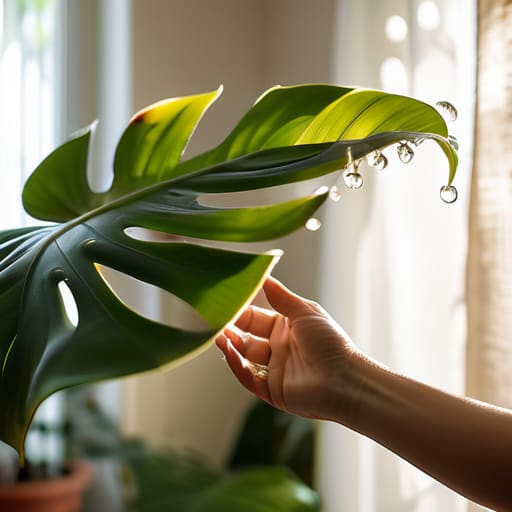
As we draw this initial exploration to a close, I hope you see that tending to your indoor garden is far more than a checklist of chores. We have journeyed through the delicate dance of finding the right light for those resilient, low-light companions and learned to listen to the subtle, rhythmic cues that tell us when a plant thirsts for hydration. It is about moving away from rigid, mechanical schedules and toward a state of attuned observation. By understanding these foundational elements—light, water, and patience—you aren’t just keeping a plant alive; you are nurturing a tiny, breathing ecosystem within the walls of your own sanctuary.
Ultimately, I invite you to view each new leaf or slightly wilted stem not as a failure, but as a profound moment of communication. Much like the philosophical dialogues of my youth, the relationship between a gardener and their plants is a continuous, evolving conversation. Do not be afraid to make mistakes or to let your curiosity lead the way when a particular species seems to demand a different kind of attention. Let your home become a space where nature and intention intertwine, reminding you daily that even in our busiest moments, there is immense beauty to be found in the slow, steady act of growing alongside something living.