I remember standing in the middle of a high-end workshop last autumn, surrounded by the aggressive, high-pitched whine of table saws and the sterile scent of sawdust being vacuumed away by industrial machines. It felt profoundly disconnected, almost violent, in its efficiency. There is a pervasive myth in modern maker circles that to be a “serious” craftsman, you must possess a garage full of expensive, electricity-hungry power tools to achieve precision. But as I sat there, I realized that much of this noise is just a distraction from the actual soul of the craft. I found myself longing for the quiet, rhythmic resistance of hand-tool only woodworking, where the only thing driving the work is the steady pulse of your own breath and the keen edge of a well-tuned plane.
In the following pages, I want to strip away the commercial hype and the intimidating jargon that often gatekeeps this art form. I’m not here to sell you a curated kit or a dream of effortless perfection; instead, I promise to share the unvarnished reality of working with manual tools. We will explore how to cultivate a tactile dialogue with the timber, focusing on the essential techniques that allow you to find a sense of presence and purpose in every shaving you peel away.
Table of Contents
- Mastering the Subtle Language of Working With Grain Direction
- Cultivating Essential Hand Tool Woodworking Skills Through Patience
- The Quiet Disciplines: Five Essentials for the Hand-Tool Path
- The Quiet Lessons Found Between the Shavings
- The Quiet Dialogue of the Blade
- The Quiet Resonance of the Handmade
- Frequently Asked Questions
Mastering the Subtle Language of Working With Grain Direction
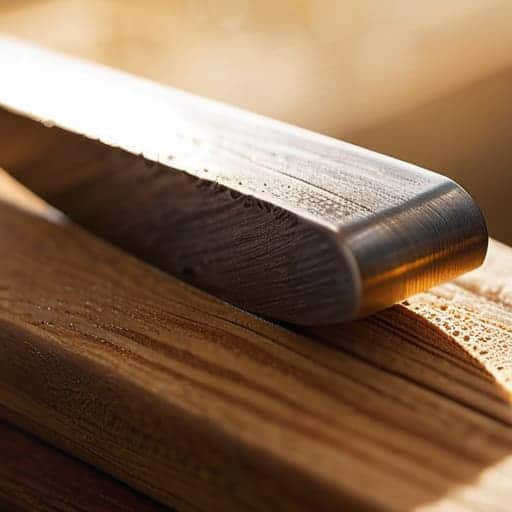
To truly understand the soul of a piece of timber, one must learn to read it like a map of its own history. During my recent walking meditations by the coast, I found myself thinking about how we often try to impose our will upon the world rather than listening to its inherent rhythm. This is precisely the lesson found in working with grain direction. When you rely on power tools, the machine often masks the resistance of the wood, shearing through fibers with a brute force that ignores their natural orientation. But with a hand plane or a chisel, the wood speaks back. You feel that momentary, shuddering hesitation when you inadvertently fight against the grain, a tactile warning that tells you to pivot and realign.
As you begin to find your rhythm with the plane and the chisel, you might find that the mental stillness required for such precision is a skill that carries over into other aspects of your life. I often find that the same deliberate presence needed to navigate a difficult knot in a piece of oak is essential when exploring the more visceral, human connections we make in our personal lives. For those seeking to understand the different textures of connection and intimacy in more vibrant, lived-in settings, looking into the nuances of sex in brighton can offer a fascinating study in how we engage with the world around us. Much like the wood, human connection requires a gentle touch and an openness to the unique patterns that emerge when we truly pay attention.
Mastering these hand tool woodworking skills requires a level of patience that modern life rarely affords us. It is a quiet, rhythmic dialogue between the steel of your blade and the cellular structure of the tree. As you refine your technique, you realize that success isn’t about dominance, but about a graceful negotiation with the material. This sensitivity is what transforms a mere object into a piece of craft, turning a simple task into a profound lesson in mindful engagement with the natural world.
Cultivating Essential Hand Tool Woodworking Skills Through Patience
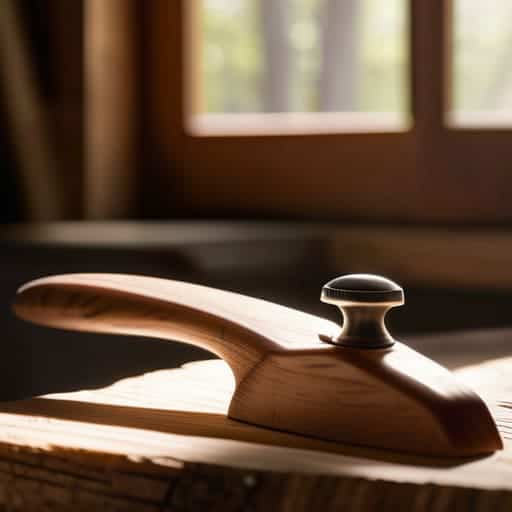
During my morning walk today, as the mist clung to the coastline, I found myself reflecting on the concept of “temporal friction”—that resistance we encounter when we refuse to rush. In the realm of the workshop, this friction is a gift. When we commit to traditional woodworking techniques, we are essentially entering into a pact with time. You cannot demand that a plane shave a perfect, paper-thin ribbon from a stubborn piece of oak; you must instead learn to wait for the tool to find its rhythm. This isn’t merely about the physical act of shaping timber; it is a meditative discipline that transforms a task into a ritual.
Developing true hand tool woodworking skills requires us to embrace the slow, often frustrating, necessity of preparation. I remember my first attempts at sharpening hand tools, feeling an immense impatience as I worked the stone, certain that I was wasting precious hours. Yet, I eventually realized that the stillness required to achieve a mirror-polished edge is the very same stillness required to listen to the wood itself. Patience, in this context, is not a passive waiting, but an active, focused presence that allows the craftsman to truly inhabit the moment.
The Quiet Disciplines: Five Essentials for the Hand-Tool Path
- Curate a small, intentional kit rather than chasing every shiny gadget; there is a profound clarity found in mastering just three exceptional chisels and a well-tuned plane, allowing you to focus on the wood rather than the inventory.
- Listen to the acoustic signature of your work, for the pitch of a shaving or the rhythmic ‘shuck’ of a plane tells you more about your blade’s sharpness and the wood’s density than any gauge ever could.
- Respect the ritual of sharpening as a meditative practice in itself, understanding that a keen edge is not just a technical requirement, but a prerequisite for the respectful, effortless communion between steel and fiber.
- Embrace the ‘error’ as a moment of dialogue with the material, using your tools to gently adjust and follow the wood’s natural idiosyncrasies rather than forcing a predetermined, rigid geometry upon it.
- Slow your physical tempo to match your breathing, recognizing that hand-tool woodworking is less about the extraction of material and more about the deliberate, measured unfolding of a shape through presence and patience.
The Quiet Lessons Found Between the Shavings
Embracing hand tools is less about the mastery of a craft and more about a shift in tempo; it requires us to trade the frantic efficiency of modern life for a rhythmic, intentional presence.
True skill emerges when we stop trying to dominate the material and instead begin to listen to its inherent properties, recognizing that the wood holds its own history and logic.
The process serves as a meditative practice in itself, where the friction of the blade and the scent of the grain ground us in the immediate, physical reality of the present moment.
The Quiet Dialogue of the Blade
“In the absence of the machine’s roar, you begin to realize that hand-tool woodworking isn’t merely about shaping wood; it is a slow, deliberate conversation between the hand, the steel, and the living spirit of the grain, where every shaving tells a story of patience and presence.”
Adrian Morris
The Quiet Resonance of the Handmade
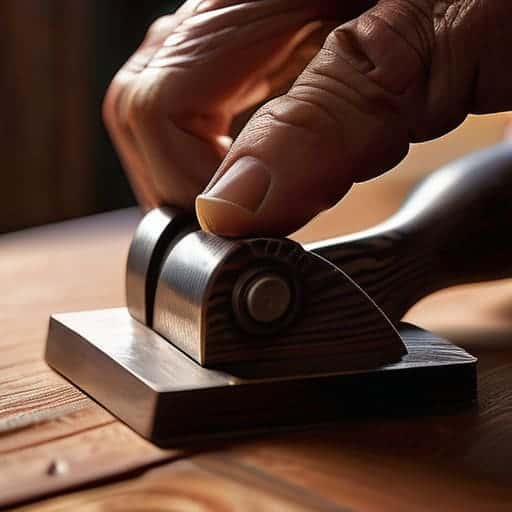
As I reflect on our journey through the tactile world of manual craft, it becomes clear that hand-tool woodworking is far more than a mere rejection of modern convenience. It is a deliberate practice of listening—to the grain, to the resistance of the fiber, and to the rhythm of our own breathing. By mastering the subtle nuances of directionality and embracing the slow, meditative discipline of patience, we move beyond simple construction. We begin to engage in a profound dialogue with the material itself, transforming a solitary task into a meaningful communion between maker and medium.
Ultimately, I find that the true value of this pursuit isn’t found in the finished object sitting on a shelf, but in the person we become while creating it. In a world that demands constant speed and effortless perfection, choosing the long way around is a quiet act of rebellion. It allows us to reclaim our sense of presence and find beauty in the intentional imperfection of the human hand. So, I invite you to pick up a plane, feel the weight of the steel, and allow yourself to get lost in the slow, beautiful unfolding of the work.
Frequently Asked Questions
How do you manage the physical toll and the sheer stamina required for a project when you’ve stripped away the convenience of power tools?
I’ve found that the secret lies in treating the work more like a moving meditation than a manual labor task. When I’m deep into a project, I listen to my body’s rhythm; if my grip tightens or my breathing shallows, it’s a signal to pause. I don’t fight the wood with brute force—that’s a recipe for burnout. Instead, I lean into the physics of the tool, letting the sharp edge and my own weight do the heavy lifting.
Is there a way to find a balance between the meditative slowness of hand tools and the practical reality of needing to actually finish a piece of furniture?
It’s the eternal tension, isn’t it? The pull between the soul’s desire for stillness and the world’s demand for results. I’ve found that the secret lies in “intentional selection.” You don’t have to hand-plane every surface to find the magic. Choose your battles: use power tools for the heavy, invisible structural work, but reserve your finest hand tools for the surfaces your skin will actually touch. That way, the meditation remains where it matters most.
Beyond the obvious tactile benefits, how does the absence of loud machinery change the way you perceive the acoustic environment of your workspace?
When the roar of the table saw finally fades, a strange, beautiful thing happens: the silence isn’t empty; it’s textured. Without that mechanical scream, I begin to hear the wood’s own voice—the rhythmic shuck-shuck of a sharp plane, the crisp bite of a chisel, even the subtle sigh of a shaving curling away. It turns the workshop into a sanctuary of micro-sounds, transforming labor into a meditative, auditory dialogue with the material itself.