I’ve always wondered if the buzz around noise-canceling gadgets is justified. Are they truly worth the investment, or is it just clever marketing? As someone who values peace and quiet, I’ve been curious about how these devices work and whether they deliver on their promises.
At its core, active noise cancellation (ANC) uses advanced principles like phase inversion to create “anti-noise.” This technology cancels out unwanted sounds, allowing you to focus on what matters. It’s fascinating how this concept, first patented in the 1930s, has evolved into the sleek headphones we use today.
Modern devices combine digital signal processing with analog circuits to enhance performance. Whether it’s earbuds or over-ear headphones, the design and ANC capabilities play a critical role in their effectiveness. But does this justify the higher price tag? Let’s explore the science and application of this technology to find out.
Key Takeaways
- Active noise cancellation (ANC) uses phase inversion to block unwanted sounds.
- The technology has evolved from 1930s patents to modern consumer products.
- Modern devices combine digital and analog systems for better performance.
- Headphone design and ANC capabilities significantly impact effectiveness.
- The value of noise-canceling gadgets depends on their performance and price.
The Science Behind Noise-Canceling Tech
The mechanics of noise cancellation have always intrigued me. At its core, active noise cancellation (ANC) relies on advanced principles to block unwanted sounds. It’s a blend of physics and engineering that creates a quieter listening experience.
Understanding Active Noise Cancellation Principles
ANC works by using tiny microphones to capture ambient noise. These devices detect the sound waves around you. Then, sophisticated electronics generate an “anti-noise” signal. This signal is the exact opposite of the incoming noise, effectively canceling it out.
The process is called phase inversion. When two sound waves meet, they interfere with each other. If one wave is the inverse of the other, they cancel out. This principle is the backbone of ANC technology.
Comparing Active and Passive Noise Control
Passive noise control relies on physical barriers. Thick padding and snug ear cups block high-frequency sounds like chatter. However, it’s less effective against low-frequency noises like airplane engines.
ANC, on the other hand, targets these low-frequency sounds. It uses active noise control to create silence. Combining both methods ensures superior audio clarity and a more immersive experience.
For example, a well-designed headphone uses both ANC and passive insulation. This dual approach maximizes noise cancellation effectiveness. It’s why these devices are so popular in noisy environments.
Unpacking the Mechanics: How Noise Is Canceled
Ever wondered how gadgets manage to block out the world around you? The answer lies in a fascinating process called phase inversion. This method uses sound waves to cancel out unwanted noise, creating a quieter environment.
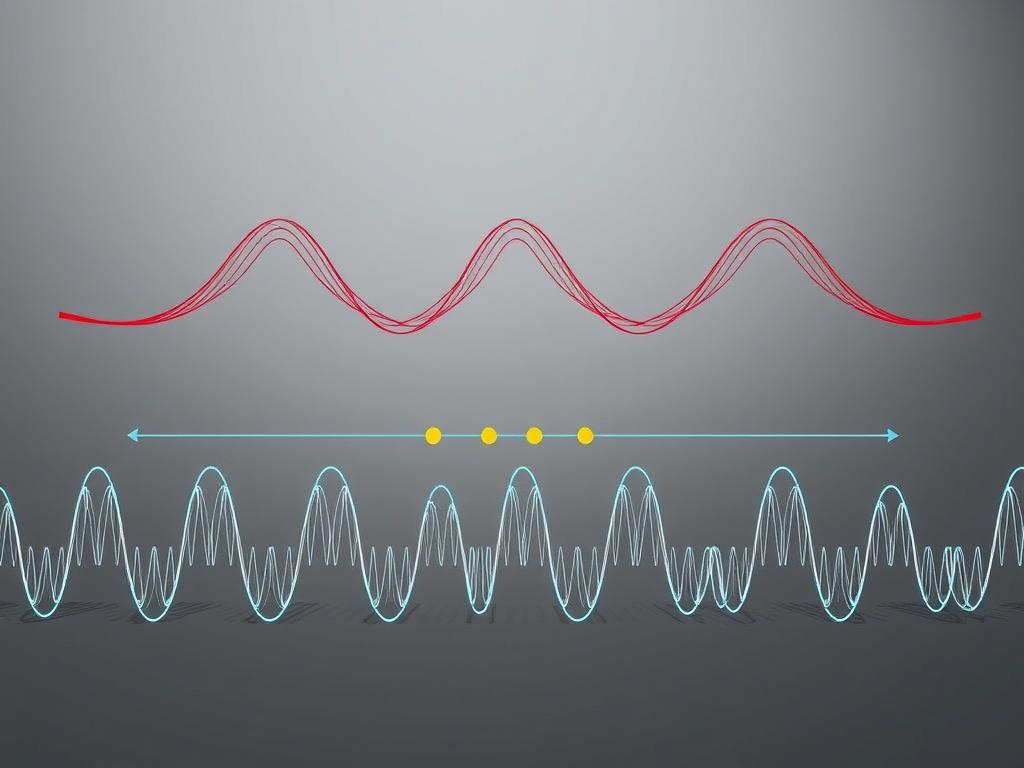
Here’s how it works: tiny microphones detect ambient sound. The device then generates an “anti-noise” wave that’s the exact opposite of the incoming noise. When these two waves meet, they cancel each other out. This is known as destructive interference.
Precision is key. The timing and level of the anti-noise must match the original sound perfectly. Even a slight mismatch can reduce the effectiveness of noise cancellation. This is why high-quality headphones use advanced digital signal processing to ensure accuracy.
However, creating a perfect cancellation environment isn’t easy. Sounds in a three-dimensional space can come from multiple directions. This makes it challenging to block all unwanted noise. Yet, modern devices are designed to handle these complexities, offering a more immersive audio experience.
One of the biggest advantages of this technology is its ability to preserve music quality. By reducing background noise, it allows you to focus on the details of your audio. Whether you’re commuting or working in a noisy environment, this feature can make a significant difference.
In summary, the mechanics of active noise cancellation are both simple and complex. By understanding how sound waves interact, we can appreciate the innovation behind this technology. It’s a blend of science and engineering that brings peace to our ears.
Weighing the Pros and Cons of Noise-Canceling Gadgets
When it comes to finding peace in a noisy world, noise-canceling gadgets often come to mind. These devices promise to block out distractions, but how well do they really work? Let’s explore their effectiveness and limitations in various settings.
Effectiveness Across Different Environments
In enclosed spaces like cars or airplanes, active noise cancellation (ANC) shines. It excels at reducing repetitive sounds like engine hums or air conditioning. This makes it a great companion for commuters or frequent travelers.
However, ANC struggles with sudden, high-pitched noises. For example, a baby crying or a dog barking can still break through. This is because the technology is better suited for consistent, low-frequency sounds.
Potential Drawbacks and Limitations
One limitation is the difficulty of canceling random noise in large, open spaces. In a busy café or park, the sound comes from multiple directions, making it harder to block out completely.
Another factor is the design of the headphone. A snug fit around the ear is crucial for optimal performance. Poorly fitting headphones can let in unwanted noise, reducing the effectiveness of noise cancellation.
While ANC minimizes distractions, it can sometimes alter music quality. Some users notice a slight change in sound, especially in high-end models. This is a trade-off for the peace it provides.
In my experience, these gadgets are most beneficial in consistent noise environments. They’ve been a lifesaver during long flights or noisy commutes. However, in unpredictable settings, their effectiveness can vary.
My Take on Noise-Canceling Gadgets in Daily Life
In my daily life, noise-canceling gadgets have become a game-changer. Whether I’m commuting or working, these devices make a noticeable difference. They reduce ambient noise, allowing me to focus better and stay productive.
During my commute, ANC headphones like the Bose QuietComfort series have been a lifesaver. They block out the hum of traffic and chatter, letting me enjoy my music without cranking up the volume. This not only enhances my listening experience but also protects my hearing.
Real-World Applications in Commuting and Work
At work, these gadgets shine during video calls. The built-in microphones ensure clear communication, even in noisy environments. I no longer have to strain to hear or be heard, which makes virtual meetings much smoother.
Another benefit is the integration of active noise cancellation with passive insulation. This combination provides a balanced listening experience, whether I’m focusing on a task or enjoying my favorite audio content.
One of the most practical advantages is stress reduction. When surrounded by distracting sound, these devices create a bubble of calm. This has improved my concentration and overall well-being, especially in open-plan offices.
Even while on the move, I can enjoy crisp, high-fidelity music without interference. The adaptive features in devices like Bose earbuds adjust to my surroundings, offering a personalized experience. It’s clear that ANC technology has seamlessly integrated into my everyday activities.
Conclusion
After exploring the science and real-world use of noise-canceling gadgets, it’s clear they offer unique benefits. Active noise cancellation (ANC) effectively reduces unwanted sound, especially in environments like airplanes or busy streets. Advanced features like digital signal processing and adaptive algorithms enhance their performance, making them a valuable tool for daily life.
However, these devices have limitations. They struggle with sudden, high-pitched noises and perform less effectively in open, unpredictable spaces. The design of the headphone also plays a crucial role in its ability to block noise.
For me, the benefits outweigh the drawbacks. Whether commuting or working, these gadgets create a quieter environment, improving focus and reducing stress. While they can be expensive, their ability to preserve music quality and protect hearing makes them worth considering.
Ultimately, understanding both active noise and passive control can help you make an informed choice. As ANC continues to evolve, it has the potential to revolutionize personal audio experiences even further.

