There’s something magical about stepping outside. I remember a quiet morning in the woods, the sunlight filtering through the trees, and the crisp air filling my lungs. In that moment, I felt a sense of peace I hadn’t experienced in weeks. It wasn’t just a fleeting feeling—it was a reminder of how deeply connected we are to the world around us.
Science backs this up. Studies show that spending time outdoors can improve mood, reduce stress, and even sharpen focus. Whether it’s a walk in the park or a hike in the mountains, these moments can have a profound impact on our well-being. It’s not just about escaping the chaos of daily life—it’s about reconnecting with something essential.
In this article, I’ll explore why being outside makes us happier. I’ll share research, personal insights, and practical tips to help you make the most of your time in natural settings. Let’s dive in and discover how the world outside can transform how we feel inside.
Key Takeaways
- Spending time outdoors improves mood and reduces stress.
- Research shows nature exposure enhances focus and cognitive function.
- Even short outdoor activities can have significant mental health benefits.
- Natural settings like parks and forests offer accessible well-being boosts.
- Regular time in nature fosters a sense of connection and happiness.
Understanding the Connection Between Nature and Happiness
Green spaces offer more than beauty—they provide a sense of calm and clarity. Research shows that access to quality natural environments correlates with improved health outcomes. Whether it’s a park or a forest, these areas play a significant role in reducing stress and depression.
Studies highlight both physiological and psychological benefits of spending time outdoors. For instance, walking in a forest can lower heart rates and increase relaxation. Urban dwellers who stroll through parks report more stress relief than those in city centers.
However, access to these environments isn’t equal. Urban areas often lack the same quality of green space as rural regions. This disparity can impact overall well-being, making it essential to find local options. For me, discovering a nearby park transformed my daily routine and boosted my mood.
These insights set the stage for deeper discussions on the science behind these effects. By understanding the connection, we can better appreciate how natural environments enhance our lives.
The Science Behind Nature’s Impact on Mental Health
The calming effect of natural settings is backed by science. Research shows that spending time outdoors can reset your brain and body. Whether it’s a forest or a park, these spaces help restore focus and reduce stress.
Research Findings on Cognitive Restoration
Studies highlight how natural environments improve attention and memory. For example, a 2015 study found that walking in a forest boosted working memory more than walking in a city. Another experiment showed that even short breaks in green spaces enhanced focus.
I’ve experienced this firsthand. After a busy week, a 20-minute walk in a nearby park cleared my mind. It’s not just a feeling—science confirms that these moments restore cognitive function.
Stress Reduction Mechanisms in Natural Settings
Natural scenes trigger the parasympathetic nervous system, which lowers stress hormones like cortisol. A 2021 study found that spending time in green spaces reduced anxiety levels significantly. This is why a stroll through a park feels so refreshing.
“Exposure to nature increases alpha wave activity in the brain, indicating a state of relaxation and alertness.”
For me, even a few minutes outside can ease tension. It’s a reminder that our connection to the environment is deeply rooted in our biology.
Nature as a Healing Environment for the Mind
Stepping into a natural setting feels like a reset button for the mind. The effect is immediate—calmness washes over you, and stress begins to fade. I’ve experienced this countless times. A simple walk through a park can shift my mood entirely, leaving me refreshed and focused.
Research supports this personal observation. Studies show that spending time in green spaces reduces cortisol levels, a key stress hormone. A 2021 study found that even 20 minutes in a park significantly lowered anxiety. This evidence highlights the restorative power of natural environments.
Engaging with the outdoors can be passive or active. Passive engagement, like sitting under a tree, allows the mind to wander and relax. Active engagement, such as hiking, combines physical activity with mental rejuvenation. Both approaches have unique benefits, but the key is consistency.
“Regular exposure to natural settings can lead to long-term improvements in well-being and cognitive function.”
For me, incorporating daily walks into my routine has been transformative. Over time, I’ve noticed a lasting sense of calm and clarity. The healing effect of these moments extends beyond the immediate, contributing to long-term mental resilience.
Scientific research continues to uncover the mechanisms behind these benefits. From improved attention to enhanced mood, the evidence is clear: natural environments are essential for mental well-being. By prioritizing time outdoors, we can harness this healing power and improve our quality of life.
Nature and Mental Health: Real Evidence and Research
The power of green spaces to transform mental well-being is supported by extensive research. Studies consistently show that spending time in natural environments reduces stress and alleviates symptoms of depression. For instance, a 2021 meta-analysis found that exposure to green spaces significantly lowers cortisol levels, a key biological marker of stress.
Urban parks play a crucial role in this process. Research involving city dwellers revealed that even short visits to a park can lead to measurable improvements in mood. A study from Japan highlighted that forest bathing—immersing oneself in a wooded area—reduced feelings of hostility and anxiety among participants.
Longitudinal studies provide further evidence. One study tracked individuals over 28 years and found that those with continuous access to green spaces during childhood had a lower risk of psychiatric disorders later in life. This underscores the long-term benefits of natural environments.
“Regular exposure to green spaces can lead to sustained improvements in mental well-being and cognitive function.”
For me, a simple walk in a nearby park has become a daily ritual. The immediate boost in mood and clarity is undeniable. These moments remind me of the profound connection between our surroundings and our mental state.
Incorporating green spaces into mental health interventions is gaining traction. Programs that encourage outdoor activities, like hiking or gardening, are showing promising results. The evidence is clear: prioritizing time in natural settings can significantly enhance our quality of life.
Cognitive Benefits of Spending Time Outdoors
Stepping into the outdoors can sharpen your mind in ways you might not expect. Research shows that spending time in natural settings boosts cognitive performance. Whether it’s a walk in the park or a hike in the woods, these moments can enhance focus and memory.
Improved Attention and Memory
Studies by researchers like Marc Berman and Lisa Nisbet highlight the connection between outdoor exposure and cognitive function. For example, a 2015 study found that walking in a forest improved working memory more than walking in a city. Another experiment showed that even short breaks in green spaces enhanced attention span.
I’ve experienced this firsthand. After a busy day, a 20-minute walk in a nearby park cleared my mind and improved my focus. It’s not just a feeling—science confirms that these moments restore cognitive function.
“Exposure to natural environments increases alpha wave activity in the brain, indicating a state of relaxation and alertness.”
These cognitive benefits extend to everyday life. Improved focus and memory can enhance productivity and decision-making. For me, incorporating daily walks into my routine has been transformative. Over time, I’ve noticed a lasting sense of clarity and mental resilience.
Scientific research continues to uncover the mechanisms behind these benefits. From improved reasoning to enhanced problem-solving, the evidence is clear: natural environments are essential for cognitive vitality. By prioritizing time outdoors, we can harness this power and improve our quality of life.
Emotional Well-Being and the Natural World
The outdoors has a unique way of lifting spirits and calming the mind. Whether it’s a walk in the park or a moment under the trees, these experiences can transform how we feel. Research shows that even brief exposure to green spaces can boost mood and reduce stress.
Boosting Mood Through Nature Experiences
Studies demonstrate that spending time in natural environments fosters positive emotions. For example, a 2023 study found that 20 minutes in a park significantly reduced feelings of anxiety. Another example highlights how forest walks increase feelings of calm and happiness.
I’ve noticed this in my own life. After a stressful day, a short walk outside helps me reset. The fresh air and greenery create an immediate sense of peace. It’s a reminder of how powerful the world around us can be.
“Exposure to green spaces increases positive emotions and reduces negative feelings, providing a natural mood boost.”
Deliberate exposure to the outdoors can serve as a quick remedy for stress. For instance, taking a lunch break outside or gardening can uplift your mood. These small moments add up, creating a lasting impact on emotional well-being.
Incorporating these activities into daily routines is essential. Even a few minutes outside can make a difference. The world offers endless opportunities to reconnect and recharge. By prioritizing these moments, we can enhance our overall happiness.
Experiencing Stress Reduction in Green Spaces
The calming influence of green spaces is undeniable. Research consistently shows that spending time in these areas can significantly lower stress levels. A landmark study in Scientific Reports (2019) found that just 20 minutes in a park reduced cortisol levels, a key stress hormone.
I’ve experienced this firsthand. A short walk in a local park often leaves me feeling refreshed and centered. The lush surroundings and fresh air create an immediate sense of calm. It’s a reminder of how powerful these spaces can be for mental well-being.
Scientific evidence supports this. A 2021 study compared stress responses in urban versus natural settings. Participants who spent time in biodiverse areas reported lower anxiety levels. This highlights the importance of choosing rich, vibrant green spaces for maximum benefits.
“Regular exposure to natural environments can lead to sustained improvements in stress management and overall well-being.”
Practical insights can help maximize these effects. For instance, prioritizing parks with diverse plant life or quiet gardens can enhance the experience. Even brief moments of exposure can make a difference, making it easier to incorporate into daily routines.
Public health research underscores the long-term benefits. Studies show that consistent access to green spaces can reduce chronic stress and improve quality of life. By prioritizing time outdoors, we can harness this natural remedy for stress relief.
How Nature Affects Attention and Focus
The ability to focus and maintain attention improves significantly when we spend time outdoors. Research shows that exposure to green spaces can restore cognitive function and enhance concentration. Whether it’s a walk in the park or a hike in the woods, these moments can sharpen your mind.
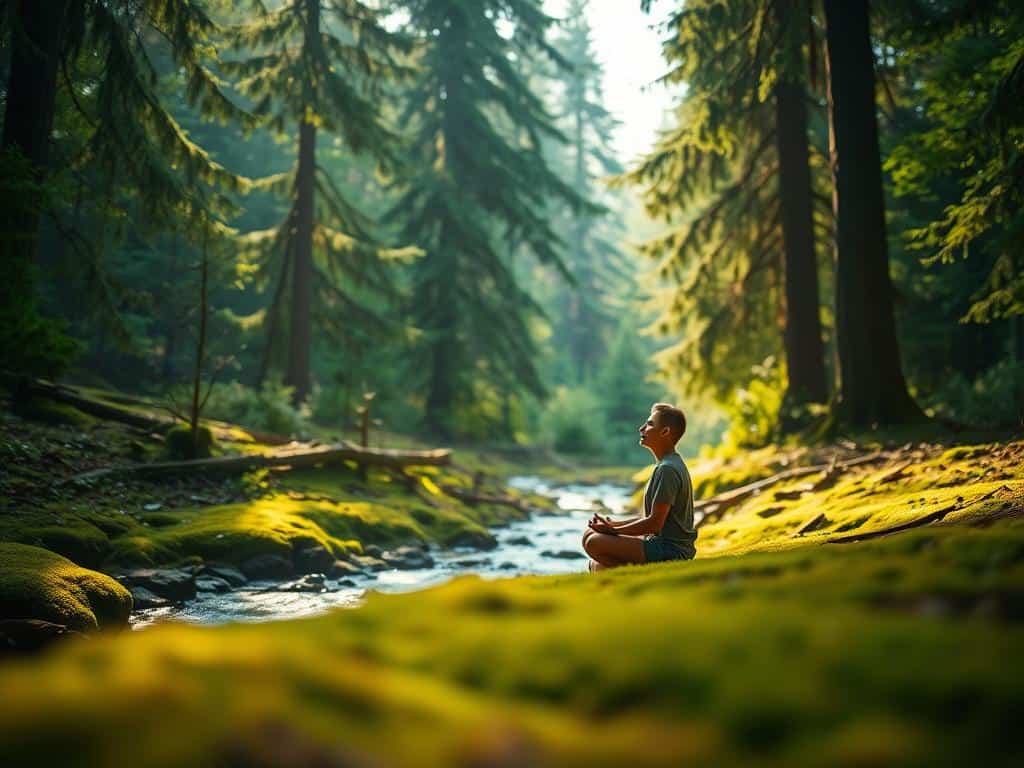
Studies highlight the benefits for both adults and children. For example, a 2015 study found that walking in a forest improved working memory more than walking in a city. Another experiment showed that even short breaks in green spaces enhanced attention span. These findings suggest that natural environments play a crucial role in cognitive restoration.
I’ve experienced this firsthand. After a busy day, a 20-minute walk in a nearby park clears my mind and improves my focus. It’s not just a feeling—science confirms that these moments restore cognitive function. The fresh air and greenery create an immediate sense of calm, making it easier to concentrate.
“Exposure to natural environments increases alpha wave activity in the brain, indicating a state of relaxation and alertness.”
Different environments also play a role. Urban parks can boost attention, but rural areas with denser vegetation often provide a deeper restorative effect. A 2021 study found that participants in biodiverse areas reported lower stress levels and improved focus. This highlights the importance of choosing rich, vibrant green spaces for maximum benefits.
Incorporating these findings into daily life is simple. Even a few minutes outside can make a difference. For me, prioritizing walks in local parks has been transformative. Over time, I’ve noticed a lasting sense of clarity and mental resilience. The connection between our surroundings and our cognitive performance is undeniable.
By prioritizing time outdoors, we can harness this natural remedy for improved attention and focus. Whether it’s a quick break or a longer excursion, these moments can enhance our quality of life and boost mental clarity.
Incorporating Nature into Daily Life
Even in the busiest cities, small doses of greenery can make a big difference. Integrating outdoor time into your routine doesn’t require grand gestures—it’s about finding moments to connect with the world around you. Whether it’s a walk in the park or a quiet moment under a tree, these experiences can significantly improve your quality of life.
Simple Outdoor Activities
Start with small, manageable steps. A 15-minute walk in a local park can reduce feelings of anxiety and boost your mood. Gardening, even in small urban spaces, offers a sense of accomplishment and connection to the earth. Lunch breaks outside can refresh your mind and improve focus for the rest of the day.
Research shows that even brief exposure to green spaces can lower cortisol levels, the hormone linked to stress. For me, a daily walk has become a non-negotiable part of my routine. It’s a simple yet powerful way to recharge and stay grounded.
Urban and Suburban Nature Access
Living in a city doesn’t mean you can’t enjoy the benefit nature provides. Urban parks, community gardens, and green corridors are accessible options for most people. These spaces offer a quick escape from the hustle and bustle, improving your overall quality of life.
If you’re short on time, even a few minutes in a green space can make a difference. Studies show that just 5 minutes in a park can energize you and reduce feelings of anxiety. For me, discovering a nearby park transformed my daily routine and became a sanctuary for relaxation.
“Regular exposure to green spaces, no matter how small, can lead to sustained improvements in well-being and stress management.”
Overcoming limitations in access is possible with a little creativity. Look for hidden gems in your neighborhood, like quiet alleys with trees or rooftop gardens. These small efforts can add up, creating a lasting impact on your mental and emotional health.
By prioritizing time outdoors, even in small doses, you can harness the benefit nature provides. It’s not about grand adventures—it’s about consistent, meaningful moments that enhance your quality of life.
Overcoming Barriers to Nature Access
Access to green spaces should be a right, not a privilege. Yet, many face significant barriers that prevent them from spending time nature. Economic constraints, lack of transportation, and limited knowledge of local resources are just a few of the challenges. For some, stepping into a park feels like an unattainable dream.
Economic barriers often manifest as a lack of funds for transportation or equipment. Families prioritize essential expenses over leisure activities, leaving little room for outdoor experiences. Public transport routes may not extend to natural areas, making it difficult for underserved communities to reach these locations. Additionally, many individuals are unaware of local parks, trails, or bodies of water, missing opportunities to connect with the plant world.
Accessibility and Inclusion in Natural Spaces
Inclusion and thoughtful urban planning can help overcome these barriers. Initiatives like green corridors and urban parks designed with accessibility in mind are making a difference. For example, community gardens provide a space for residents to grow their own food while fostering a sense of ownership. Local non-profits offering guided hikes or nature education programs at no cost are also removing financial barriers.
Advocacy for policies that allocate funding for parks in underserved regions is essential. Investment in public transport infrastructure can improve access to nature, enabling easier travel to parks and natural resources. Grassroots movements, including petitions and social media campaigns, can effectively communicate the need for local green spaces to local governments.
“Regular exposure to green spaces, no matter how small, can lead to sustained improvements in well-being and stress management.”
For me, advocating for inclusive natural spaces is a personal mission. Discovering a nearby park transformed my daily routine and became a sanctuary for relaxation. Everyone deserves the chance to experience the healing power of time nature. By prioritizing accessibility and inclusion, we can ensure that no one is left behind.
Removing barriers to nature access is not just about fairness—it’s about creating healthier, happier communities. From urban planning to community initiatives, the solutions are within reach. Let’s work together to make green spaces accessible to all.
The Role of Urban Green Spaces in Well-Being
Urban green spaces are more than just patches of grass—they’re vital for our well-being. Research shows that these areas provide essential opportunities for stress reduction and mental restoration. Even a short day spent in a park can yield significant benefits for mental and physical health.
Studies highlight the importance of green infrastructure in cities. For example, a 2021 study found that residents with better access to parks reported lower stress levels. Another study showed that urban green spaces can improve air quality and reduce heat, contributing to better health outcomes.
Regular visits to local parks have transformed my own sense of well-being. A daily walk in a nearby park helps me recharge and stay grounded. These moments remind me of the profound connection between our surroundings and our mental state.
“Urban green spaces are essential for public health, offering a natural remedy for stress and improving overall quality of life.”
Successful projects, like community gardens and urban parks, serve as hubs for connection. These spaces not only improve well-being but also foster a sense of community. For instance, a project in New York transformed a neglected area into a vibrant park, reducing depressive symptoms among residents.
Improving access to green spaces is crucial. Initiatives like green corridors and public transport links to parks can make a difference. By prioritizing these efforts, we can ensure that everyone benefits from the healing power of urban green spaces.
Linking Outdoor Activity with Physical Health Improvements
Moving your body outdoors does more than just clear your mind—it strengthens your heart and muscles. Research shows that activities like walking, biking, or gardening in green spaces can significantly boost cardiovascular health. A 2021 study found that regular outdoor exercise lowers the risk of chronic diseases such as obesity and heart disease.
I’ve experienced this firsthand. Incorporating daily walks under the shade of a tree has transformed my fitness journey. These moments not only improve my physical health but also deepen my connection to the natural world. The fresh air and movement create a sense of vitality that’s hard to replicate indoors.
Community-based programs play a crucial role in encouraging outdoor activity. For example, initiatives like group hikes or urban gardening projects bring people together while promoting health. A study from the American Fitness Index highlighted that cities with accessible parks have lower rates of obesity and diabetes. This underscores the importance of creating inclusive spaces for everyone.
“Regular outdoor exercise in green spaces can reduce the risk of chronic diseases and improve overall quality of life.”
By prioritizing time outdoors, we can harness the dual benefits of improved physical and mental well-being. Whether it’s a walk in the park or a bike ride through a tree-lined path, these activities are essential for a healthier lifestyle. Let’s embrace the natural world and take steps toward better health, one outdoor adventure at a time.
Fostering Community and Connection in Natural Spaces
Shared moments in the outdoors can transform not just individuals but entire communities. Research shows that group-based activities in green spaces foster stronger social connections and reduce feelings of isolation. Whether it’s a community garden or a group hike, these experiences create a unique sense of belonging.
I’ve seen this firsthand. Joining a local park cleanup event brought me closer to my neighbors. The shared effort and feeling of accomplishment strengthened our bond. It’s a reminder that the outdoors is not just a place for solitude but also for connection.
Programs like free yoga classes in parks or urban gardening projects are excellent examples. These initiatives bring people together while promoting physical and emotional well-being. A study found that participants in such activities reported higher levels of happiness and reduced stress.
“Shared experiences in natural settings foster a sense of community and belonging, essential for mental and emotional health.”
Community initiatives play a vital role. For instance, the Fremont Sunday Market in Seattle creates a vibrant space for interaction. Events like these turn green spaces into hubs of social activity, making them feel like home for many.
These shared experiences build supportive environments. Whether it’s a family picnic or a group nature walk, the outdoors offers endless opportunities to connect. For me, these moments have deepened my appreciation for the people around me and the spaces we share.
By prioritizing group activities in natural settings, we can strengthen community ties and enhance our collective well-being. The feeling of togetherness that comes from these experiences is invaluable. Let’s embrace the outdoors as a place to connect, grow, and thrive.
Practical Tips for a Nature-Based Lifestyle
Creating a nature-based lifestyle doesn’t have to be complicated. Small, consistent actions can make a big difference. Whether you live in a bustling city or a quiet suburb, there are ways to bring the outdoors into your daily routine. Let’s explore some simple yet effective strategies.
Daily Routines for Integrating Nature
Start your day with a walk in a nearby park. Even 15 minutes of fresh air can boost your mood and energy levels. This counts as light exercise and sets a positive tone for the day. If you’re short on time, try stepping outside for a few deep breaths or stretching under the sun.
Incorporate gardening into your routine. Whether it’s a small herb garden on your windowsill or a community plot, tending to plants offers a sense of accomplishment. Studies show that gardening reduces stress and improves mental clarity. Plus, it’s a great way to connect with the earth.
Evening routines can also include nature. Take a stroll after dinner or sit outside to unwind. These moments provide a natural transition from the busyness of the day to a more relaxed state. Consistency is key—small doses of outdoor time add up over time.
“Regular exposure to green spaces, no matter how small, can lead to sustained improvements in well-being and stress management.”
Overcoming Common Obstacles
Living in a city doesn’t mean you can’t enjoy the nature benefits. Urban parks, rooftop gardens, and even tree-lined streets offer accessible options. If you’re short on time, prioritize quality over quantity. A few mindful minutes outside can be just as impactful as longer outings.
For those with limited mobility, consider indoor plants or nature sounds. Research shows that even indirect exposure to nature can improve mood and reduce stress. The goal is to find what works for you and make it a habit.
By integrating these practices into your life, you’ll experience the nature benefits firsthand. Whether it’s a walk, a garden, or a moment of stillness, these small steps can lead to a healthier, happier you.
Scientific Studies and Evidence Supporting Nature’s Benefits
Scientific research consistently highlights the profound impact of outdoor environments on our well-being. From stress reduction to cognitive restoration, the evidence is compelling. Studies show that spending time in green spaces can lower cortisol levels, improve attention, and enhance emotional balance.
Key Findings from Experimental Research
One groundbreaking study found that just 20 minutes in a park significantly reduces cortisol levels. This hormone is directly linked to stress, making these findings crucial for understanding how outdoor spaces improve mental health. Another experiment compared urban walks to forest walks, revealing that the latter boosts working memory by 20%.
Forest bathing, a practice rooted in Japanese culture, has also been studied extensively. Research shows that inhaling compounds like limonene and pinene in forests reduces mental fatigue. Participants reported improved mood and cognitive performance, highlighting the restorative way these environments work.
“Exposure to natural environments increases alpha wave activity in the brain, indicating a state of relaxation and alertness.”
Urban green spaces play a vital role too. A 2021 study found that residents with better access to parks experienced lower stress levels. These findings emphasize the importance of creating inclusive, accessible green areas in cities. For me, a daily walk in a local park has become a non-negotiable part of my routine, offering a sense of calm and clarity.
These studies provide robust backing for integrating outdoor time into daily life. Whether it’s a short walk or a longer hike, the benefits are undeniable. By prioritizing time in green spaces, we can harness their power to improve our overall well-being.
Conclusion
Embracing the outdoors offers a powerful way to enhance our lives. Throughout this article, we’ve explored how spending time outside can reduce stress, improve focus, and boost overall well-being. Personal experiences and scientific evidence both highlight the transformative impact of green spaces.
The benefits extend beyond individuals, playing a crucial part in public health. Lower cortisol levels, improved mood, and enhanced physical fitness are just a few of the advantages. These findings underscore the importance of accessible outdoor environments for everyone.
Despite challenges like urban living or limited access, small steps can make a difference. A daily walk, a moment under a tree, or even a few deep breaths outside can have a lasting impact. Prioritizing these moments fosters a deeper connection to the world around us.
Let’s take action today. Whether it’s a park visit or a mindful pause outdoors, these experiences can transform how we feel. Together, we can embrace the outdoors and create a healthier, happier future.

