As I reflect on the way we learn today, it’s clear that the classroom is no longer confined to four walls. The pandemic accelerated a shift that was already underway, pushing us to rethink how we teach and how students learn. From online platforms to hybrid models, the future of learning is being reshaped by technology and innovation.
Organizations like Beyond100K and Stand Together have highlighted the challenges we face, such as teacher shortages and the need for better compensation. Yet, these challenges also bring opportunities. Flexible teaching models and personalized learning are transforming the way we approach education. Students now have access to tools that adapt to their unique needs, fostering a more inclusive and effective learning environment.
Community involvement is also playing a crucial role. Local businesses and organizations are collaborating with schools to enhance the learning experience. This shift isn’t just about academic success; it’s about preparing students for a rapidly changing world. The role of teachers is evolving, and so is the system itself.
As we navigate these changes, one thing is certain: the future of learning is dynamic, inclusive, and full of potential. Let’s explore what’s changing and how we can adapt to these exciting developments.
Key Takeaways
- The classroom is evolving with the integration of technology and online learning.
- Teacher shortages and compensation challenges are driving the need for flexible teaching models.
- Personalized learning tools are transforming the way students engage with education.
- Community involvement is becoming essential in shaping modern learning environments.
- The role of teachers is evolving to meet the demands of a rapidly changing system.
Rethinking Teacher Flexibility and Professional Development
Flexibility in teaching is no longer a luxury but a necessity. Traditional classroom structures often limit teachers’ ability to adapt to the needs of their students. Rigid schedules and lack of support for professional development can lead to burnout and high turnover rates.
According to Beyond100K, strict classroom models prevent teachers from growing in their roles. For example, many educators rely on substitutes even for basic needs, which disrupts the learning process. This inflexibility not only affects teachers but also impacts student success.
Challenges of Inflexible Classroom Structures
Inflexible professional development schedules add to the stress. Many teachers report having no control over their training programs. This lack of autonomy can discourage them from staying in the field.
“Effective professional development programs are more successful at raising student learning outcomes than other school-based interventions.”
Research shows that regular, collaborative training sessions improve job satisfaction and self-efficacy. Yet, many schools fail to provide these opportunities, leaving teachers feeling unsupported.
Innovative Models for Substitute Teacher Support
One solution is the “grow your own” substitute program. These initiatives train community members to step in as substitutes, creating a pipeline for future full-time teachers. This approach not only addresses shortages but also builds stronger ties between schools and their communities.
Improved substitute training can also make a difference. When substitutes are well-prepared, they can maintain the quality of learning even when the regular teacher is absent. This flexibility benefits both teachers and students.
By redesigning teacher roles and embracing innovative models, we can create a more adaptable system. The future of teaching depends on our ability to support educators in new and meaningful ways.
Navigating Uncertainty in Modern Classrooms
Uncertainty has become a defining feature of modern classrooms. The post-pandemic era has left educators grappling with rapid shifts in teaching conditions. From hybrid models to evolving curriculum standards, the role of teachers has never been more complex.
Research shows that uncertainty can lead to increased stress and cognitive overload. A study linking uncertainty to brain pain highlights the mental toll on educators. As one teacher shared, “We need clarity to focus on what matters most—our students.”
Adapting to Shifts in Post-Pandemic Education
Schools are adapting by clarifying curriculum standards and teacher expectations. For example, some districts have introduced detailed guidelines for STEM education. This clarity helps teachers focus on delivering quality instruction.
Professional development has also evolved. Administrators are rethinking training programs to address the unique challenges of today’s classrooms. Collaborative sessions and mentorship programs are becoming more common.
“Clear expectations free up cognitive capacity for teaching,” says a veteran educator.
Clarifying Roles and Expectations for Educators
Defined roles are essential for reducing uncertainty. Many schools are creating frameworks that outline teacher responsibilities. This approach not only supports educators but also enhances student success.
Clear communication is key. When teachers know what’s expected, they can focus on innovation and creativity. This shift is transforming the way we approach learning in the 21st century.
By addressing uncertainty head-on, we can create a more resilient system. The future of education depends on our ability to support teachers and students alike.
Unpacking the Role of Teacher Compensation and Retention
Fair pay for educators is essential for the success of our students. Over the past few decades, teacher salaries have stagnated, creating a ripple effect across the entire system. According to Beyond100K, teachers earn 24% less than comparable college graduates, a gap that has only widened with inflation.
Understanding the Impact on Teacher Shortages
Low compensation is a leading factor in the growing teacher shortage. Research shows that 48% of educators plan to leave the field due to inadequate pay. This shortage disproportionately affects specialized roles like special education and advanced math, where qualified candidates are already scarce.
Chronic absenteeism and burnout further exacerbate the problem. Teachers are often forced to take on extra duties, leaving little time for professional development or personal well-being. Addressing these issues is crucial for retaining skilled educators.
Exploring Strategies for Salary Improvements
Initiatives like the American Teacher Act aim to bridge the pay gap by setting a minimum salary of $60,000 for teachers nationwide. This proposal could significantly improve retention and attract new talent to the profession.
“Competitive salaries are critical to increasing teacher retention and improving student outcomes.”
Some districts have already implemented successful strategies, such as offering signing bonuses and career advancement programs. These efforts not only boost morale but also enhance the overall quality of learning.
Addressing Specialized Role Challenges in Education
Specialized roles face unique challenges. For example, foreign language and STEM teachers often require advanced degrees, yet their salaries rarely reflect their expertise. Targeted incentives, such as loan forgiveness and higher pay scales, can help attract and retain these educators.
By addressing compensation issues, we can create a more equitable and effective system. Fair pay is not just about supporting teachers; it’s about ensuring every student has access to quality education.
Innovations in Online, Remote, and Hybrid Learning
The rapid shift to online and hybrid learning has reshaped the way we think about classrooms. No longer confined to physical spaces, students now have access to flexible models that blend in-person and digital experiences. This change has opened new doors for engagement and accessibility.
Technology plays a pivotal role in this transformation. Tools like interactive boards and virtual reality are making lessons more engaging. These innovations are not just about convenience; they’re about creating richer learning experiences.
Embracing Technology to Enhance Classroom Engagement
Adaptive learning software is one example of how technology is changing the game. These tools adjust to each student’s pace, ensuring no one gets left behind. Teachers can focus on guiding rather than lecturing, making the classroom more interactive.
Remote learning has also expanded opportunities for students in rural areas. With access to online resources, they can now explore subjects that were once out of reach. This inclusivity is one of the greatest benefits of hybrid models.
The Role of Artificial Intelligence in Personalized Education
AI is taking personalized learning to the next level. Systems like Khanmigo provide real-time feedback, helping students understand complex topics. This tailored approach ensures that every learner gets the support they need.
“AI tools are transforming education by making learning more adaptive and responsive to individual needs.”
Despite these advancements, challenges remain. Not all schools have the resources to implement advanced technologies. Addressing these gaps is crucial for ensuring equitable access to quality education.
Looking ahead, the integration of AI and hybrid models will continue to evolve. These innovations are not just shaping the future of learning; they’re redefining it. By embracing these changes, we can create a more inclusive and effective system for all.
Personalized Learning and Hands-on STEM Initiatives
Personalized learning is reshaping how students engage with their studies, making every lesson more meaningful. By tailoring curriculum design to individual needs, schools are fostering a deeper connection between students and their learning experiences. This approach not only enhances understanding but also builds critical thinking and problem-solving skills.
Integrating Adaptive Learning Tools into Curriculum
Adaptive learning tools are transforming classrooms by providing dynamic feedback and tailored content. For example, platforms like DreamBox adjust lessons based on student performance, ensuring each learner is challenged at the right level. These tools empower teachers to focus on guiding rather than lecturing, creating a more interactive and engaging environment.
Research shows that adaptive technologies improve student engagement and outcomes. By addressing individual learning gaps, these tools help students build confidence and mastery in key subjects. However, integrating them into existing curricula can be a challenge, requiring ongoing training and support for teachers.
Fostering Student-Centered and Inquiry-Based Learning
Inquiry-based learning encourages students to take ownership of their education. By exploring questions and solving real-world problems, they develop intellectual curiosity and self-directed study habits. This approach is particularly effective in STEM subjects, where hands-on activities make abstract concepts tangible.
Programs like Sphero’s STEAM-based tools combine coding, science, and the arts to create immersive learning experiences. These initiatives not only enhance technical skills but also foster creativity and collaboration. As one educator noted,
“When students are actively involved in their learning, they’re more likely to retain and apply what they’ve learned.”
Looking ahead, the integration of personalized learning and STEM initiatives will continue to shape the future of education. By embracing these innovations, we can create a system that prepares students for the challenges and opportunities of tomorrow.
Spotlight on Education Trends for Transformative Learning
The landscape of learning is undergoing a profound transformation, driven by innovation and adaptability. From AI-powered tools to holistic approaches, the way we teach and learn is evolving to meet the needs of a rapidly changing world. These shifts are not just about technology; they’re about creating environments where both students and teachers can thrive.
Identifying Current Trends Shaping the Future
One of the most significant changes is the rise of personalized learning. Tools like adaptive software analyze individual performance, tailoring lessons to each student’s needs. This approach not only improves engagement but also helps learners build confidence and mastery in key subjects.
Another trend is the growing emphasis on social-emotional learning. Schools are integrating programs that teach empathy, resilience, and collaboration. These skills are essential for success in both the classroom and the workplace.
“When students feel supported emotionally, they’re more likely to excel academically.”
AI literacy is also becoming a cornerstone of modern education. From coding to data analysis, students are gaining the technical fluency needed for tomorrow’s jobs. Programs like Purdue University’s digital badge platform are leading the way, offering micro-credentials that focus on specific skills.
Leadership plays a critical role in driving these changes. Advanced degree programs are equipping educators with the tools to implement innovative models. This shift is empowering teachers to take on new roles, from mentors to facilitators of learning.
As we embrace these trends, it’s clear that the future of education is about more than just academics. It’s about preparing students for a world that values creativity, adaptability, and lifelong learning. By staying ahead of these changes, we can create a brighter future for everyone.
Community, Global Citizenship, and Collaborative Learning
Collaboration between schools and communities is reshaping the way students learn and grow. By building strong ties with local resources, schools are creating richer, more inclusive learning environments. These partnerships not only enhance academic success but also prepare students for the challenges of a globalized world.
Building Connections Between Schools and Local Resources
One of the most impactful ways schools are transforming is through partnerships with local businesses and nonprofits. For example, AdventureMe’s outdoor school model connects students with nature-based learning experiences. These initiatives provide hands-on opportunities that go beyond traditional classroom settings.
Programs like the Global Schools Program, which operates in over 105 countries, emphasize inclusion and equity. By integrating local resources into the curriculum, schools can address diverse student needs and foster a sense of belonging. This approach not only supports academic growth but also builds essential life skills.
“When schools and communities work together, students benefit from real-world experiences that enrich their learning.”
Parental involvement is another critical component. Schools are implementing strategies to engage families in the learning process. From workshops to volunteer programs, these efforts strengthen the bond between home and school, creating a supportive environment for students.
Global citizenship is also gaining traction in modern curricula. Schools are teaching intercultural competence, empathy, and social responsibility. These lessons prepare students to navigate a complex world and contribute to collective solutions for global challenges.
By embracing community-driven models, schools are not just enhancing education—they’re shaping the future. These collaborative efforts ensure that every student has the opportunity to thrive, both in and out of the classroom.
Adapting to New Models: Embracing Innovation in Education
The way we approach learning is shifting dramatically, with new models emerging to meet diverse needs. Traditional classrooms are no longer the only option. Instead, innovative approaches like microschools and boutique learning environments are gaining traction. These models prioritize personalization and flexibility, offering students a more tailored experience.
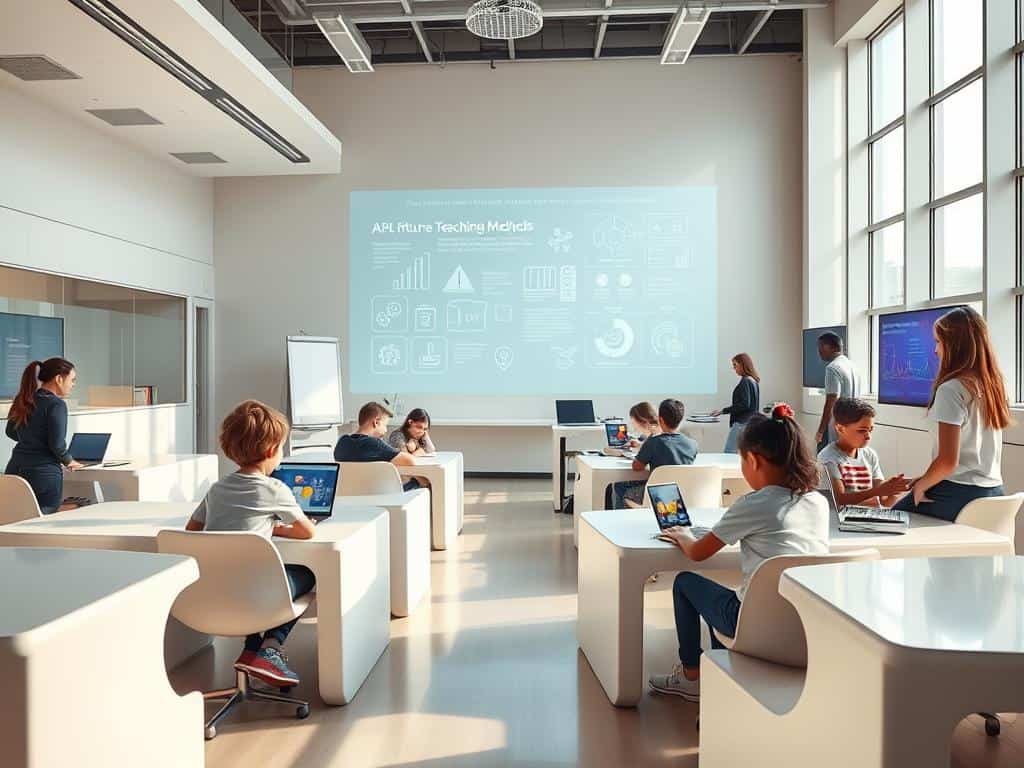
Exploring Nontraditional and Microschool Approaches
Microschools are redefining the school experience. With small class sizes, they foster intimate and effective learning environments. For example, the National Microschooling Center supports educators in creating these spaces, emphasizing community relationships and individualized paths. This approach allows teachers to focus on each student’s unique needs, enhancing engagement and outcomes.
These models differ from traditional schooling in significant ways. They often integrate digital tools to support personalized learning. Platforms like adaptive software analyze student performance, tailoring lessons to their pace and understanding. This shift not only improves academic success but also builds confidence and self-directed study habits.
Harnessing Community and Digital Tools for Change
Community input plays a crucial role in these innovative models. Programs like Arizona’s Empowerment Scholarship Account provide funding tailored to families’ specific needs, promoting a broader range of options. By involving local resources, schools can create richer, more inclusive environments.
Digital tools are also transforming the traditional classroom. AI-powered platforms offer real-time feedback, helping students master complex topics. As one educator noted,
“Technology is not just a tool; it’s a bridge to deeper understanding and engagement.”
However, challenges remain. Not all schools have the resources to implement advanced technologies. Addressing these gaps is essential for ensuring equitable access to quality education.
By embracing these changes, we can create a more dynamic and effective system. The future of learning depends on our ability to innovate and adapt, ensuring every student has the opportunity to thrive.
Conclusion
The future of learning is being shaped by innovation and adaptability. From flexible teaching models to adaptive technology, the way we support students is evolving. Clear communication and defined roles are helping teachers navigate post-pandemic challenges, ensuring every learner thrives.
Personalized approaches and hands-on STEM initiatives are transforming classrooms. These strategies not only engage students but also prepare them for a rapidly changing world. Community partnerships and nontraditional models are driving innovation, making education more inclusive and effective.
As we move forward, collective effort and creative thinking will be key. I encourage you to stay informed and embrace these changes in your own practices. Together, we can build a brighter future for every student and teacher.
Thank you for joining me on this exploration of modern learning. Let’s continue the conversation and stay open to new possibilities.

