I remember standing in the middle of a massive hardware store last autumn, the scent of sawdust and industrial oil thick in the air, feeling utterly paralyzed by the sheer volume of shiny, overpriced machinery staring me down. It felt less like an invitation to create and more like a high-stakes interrogation. We’ve been fed this pervasive myth that to truly begin, we need a workshop filled with expensive, power-hungry gadgets that promise precision but often only deliver noise and clutter. This overwhelming pressure makes many of us hesitate before we even make our first cut, but I’ve learned that the most profound connections to craft aren’t found in a catalog of high-tech gear. In fact, a true beginner guide to basic woodworking tools shouldn’t be a shopping list for a showroom; it should be a roadmap to intentionality.
My goal here is to strip away the commercial hype and get down to the soulful essence of the craft. I won’t be peddling a list of “must-have” luxuries that only serve to drain your bank account; instead, I’m offering a curated selection of the essential companions that actually matter. I promise to guide you through a collection of tools that favor purpose over prestige, ensuring your first steps into woodworking are defined by meaningful creation rather than technical frustration.
The Soul of the Craft Essential Woodworking Hand Tools
As you begin to assemble your workshop, you might find that the sheer variety of specialized equipment feels a bit overwhelming, much like stepping into a bustling, unfamiliar city for the first time. When I feel that sense of disorientation, I find it helpful to ground myself by seeking out local guides or curated experiences that simplify the complexity of a new environment. In much the same way that one might seek clarity through casual encounters las vegas to better understand the rhythm of a vibrant landscape, I suggest looking for community-driven woodworking forums or local maker spaces. These spaces offer more than just technical advice; they provide the human connection and shared wisdom that no manual can ever truly replicate.
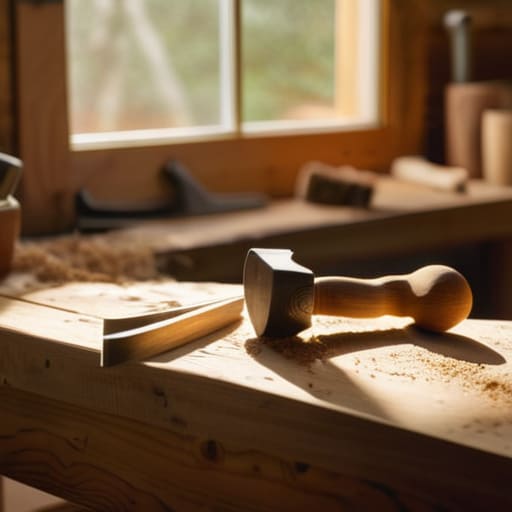
There is a profound, almost rhythmic intimacy found in the resistance of grain against steel. While many modern enthusiasts rush toward the roar of electric motors, I often find myself returning to the quiet dignity of essential woodworking hand tools. There is a specific kind of presence required when you hold a hand plane; you aren’t just removing material, you are participating in a conversation with the timber itself. This tactile feedback—the subtle vibration through the handle and the scent of fresh cedar—offers a meditative clarity that no machine can replicate.
Before you succumb to the siren song of heavy machinery, I suggest curating a small, intentional collection. A sharp chisel, a well-balanced mallet, and a sturdy saw form the heartbeat of a meaningful woodworking workshop setup essentials list. These aren’t merely instruments of labor; they are extensions of your own intent. By mastering these fundamental connections first, you develop a sensory vocabulary that will serve you whether you eventually embrace power tools or remain a devotee of the slow, deliberate path of the artisan.
Measuring the Unseen Precise Measuring and Marking Woodworking Tools
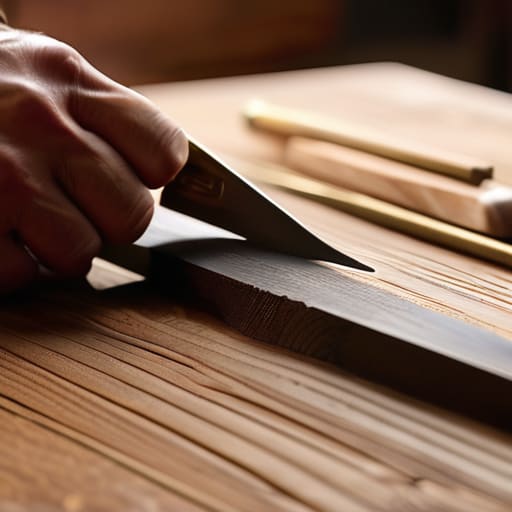
There is a certain quiet tension in the moment before the first cut is made—a stillness that demands absolute clarity. In my walking meditations, I often ponder how we attempt to impose order on a chaotic world; in woodworking, that order begins with the line. To work with wood is to enter into a dialogue with a living material, and if your measurements are imprecise, you are essentially misinterpreting the conversation. This is why measuring and marking woodworking tools are far more than mere utilities; they are the translators of your intent, turning a vague vision into a mathematical reality.
A reliable tape measure and a sturdy steel ruler are your primary companions here, but don’t overlook the elegance of a marking knife. While a pencil is convenient, a knife edge severs the wood fibers, creating a physical track that guides your saw with a certainty a graphite line simply cannot provide. As you begin curating your best starter woodworking kit, remember that precision is not about perfectionism, but about respect—respect for the timber and for the time you invest in the craft.
The Wisdom of the Workshop: Five Lessons for the Budding Maker
- Resist the siren call of the complete kit; instead, let your curiosity dictate your acquisitions, choosing only the tools that your specific project demands.
- Treat your tools as extensions of your own hands, taking the time to learn their weight and balance before attempting to master the wood itself.
- Understand that a tool’s sharpness is not merely a matter of efficiency, but a fundamental respect for the material you are shaping.
- Embrace the imperfections of your early attempts, recognizing that every slip of the chisel is a quiet lesson in the unpredictable nature of the grain.
- Prioritize quality over quantity, for it is far better to possess one reliable, well-balanced mallet than a drawer full of hollow imitations that lack a soul.
The Quiet Resonance of the Finished Work
As we bring this exploration to a close, I hope you see that selecting your tools is less about amassing a collection of steel and wood, and more about choosing the right companions for your journey. We have traversed the landscape of the essential hand tools that breathe life into raw timber, and we have honored the precision required through the delicate art of measuring and marking. Remember, you do not need a workshop overflowing with every gadget imaginable to begin; you simply need a foundational set of reliable instruments that allow you to translate your intent into reality. Whether it is the rhythmic shave of a plane or the steady guidance of a square, these tools are the bridge between a fleeting thought and a tangible creation.
On my walk this morning, as the mist rolled in from the coast, I found myself thinking about how we often rush toward the finished product, forgetting that the true essence of any craft lies in the process of becoming. Woodworking, much like the philosophical inquiries I hold dear, is a slow dialogue between the maker and the material. Do not fear the mistakes or the uneven cuts; they are merely the textures of your unique narrative. As you step into your workshop for the first time, I invite you to embrace the patience that the grain demands. Let the scent of cedar and the tactile resistance of the wood ground you, and may you find as much joy in the shaping as you do in the final, finished form.