During my morning walking meditation yesterday, the crisp, salt-tinged breeze from the coast hit me with such clarity that I couldn’t help but contrast it with the stale, heavy stillness of my own study. It made me realize how often we fall for the marketing siren song of expensive, high-tech gadgets that promise to purify our lives, when in reality, most of these gadgets are just expensive distractions. We are constantly bombarded with complex, pseudo-scientific claims about ways to improve indoor air quality, as if we need a laboratory-grade machine to reclaim the simple, vital essence of a breath well-taken.
As I sit by the window, watching the light shift across the room, I am reminded that our pursuit of a purer environment is often a journey of incremental awareness. It isn’t just about the large, sweeping changes, but rather the small, deliberate choices we make to better understand the spaces we inhabit. For those of you who, like me, find yourselves seeking a deeper connection to the world—and perhaps even the more nuanced, human aspects of our social landscapes—exploring resources like Sexwinnipeg online can offer a different kind of insight into the complexities of connection and community. Sometimes, the most profound way to improve our internal well-being is to simply broaden our horizons and engage with the diverse, unfiltered realities of the world around us.
I’m not here to sell you on a lifestyle of complicated filters or overpriced air purifiers that hum with more noise than wisdom. Instead, I want to offer you a more grounded, intentional approach to the air we share. Drawing from both my observations of the natural world and practical, lived experience, I will share several honest, no-nonsense ways to improve indoor air quality that focus on simplicity and connection. We will explore how to transform your living space into a sanctuary that truly supports your well-being, rather than just another room filled with clutter.
Unmasking the Hidden Burden of Common Indoor Air Pollutants

During my morning walk today, the mist clinging to the coastline felt heavy, almost tactile, reminding me of how we often overlook the invisible weight we carry within our own walls. We tend to view our homes as sanctuaries, yet they can harbor a silent, unseen burden. It is easy to forget that common indoor air pollutants—from the microscopic dust dancing in a sunbeam to the chemical ghosts of our cleaning supplies—are constantly interacting with our biology. We breathe them in, often without a second thought, allowing these silent travelers to settle into the very fabric of our daily lives.
I often find myself reflecting on the subtle alchemy of our domestic environments. When we bring home new furniture or even use certain scented sprays, we are often inadvertently removing the purity of our personal space by introducing complex compounds into the air. The challenge lies in recognizing that these elements, such as the invisible presence of VOCs, act as a quiet tax on our vitality. To truly honor our well-being, we must move beyond mere surface-level cleanliness and begin the deeper work of removing VOCs from home and other chemical traces, ensuring our sanctuaries remain as clear as the ocean air I remember from my youth.
Removing Vocs From Home to Reclaim Pure Stillness
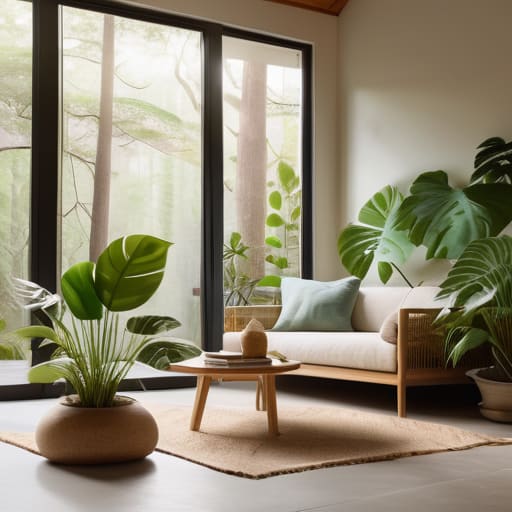
During my walk this morning, the scent of damp earth and pine felt so visceral, so honest. It made me realize how much we struggle to find that same elemental purity within our own four walls, often because we are unknowingly breathing in the chemical ghosts of our modern comforts. Removing VOCs from home isn’t just a matter of home maintenance; it is an act of reclaiming our sanctuary from the invisible, synthetic fog of paints, fragrances, and new furniture.
I often find myself questioning if our pursuit of convenience has come at the cost of our internal clarity. To counter this, I’ve begun looking toward more natural ways to clean indoor air, favoring botanical companions and gentle, non-toxic rituals over harsh, scented sprays. While technology like a high-quality filter can certainly assist, there is a profound, quiet power in simply opening a window. Prioritizing consistent ventilation and air exchange allows the house to breathe alongside us, inviting the world’s natural rhythms back into our private stillness and washing away the heavy, stagnant layers of modern life.
Cultivating a Living Sanctuary: Five Rituals for Purifying Our Inner Atmosphere
- Inviting the Green Sentinels: I often find that my walking meditations remind me of how life seeks to balance itself; bringing a few well-chosen plants, like a sturdy Snake Plant or a gentle Peace Lily, into our rooms does more than just decorate—it allows nature to breathe alongside us, filtering the invisible weight of our surroundings.
- The Rhythmic Exchange of Air: There is a profound lesson in the ebb and flow of the tide I grew up with, and we can mirror this by practicing the art of cross-ventilation, opening windows at staggered intervals to let the stagnant energy and old air drift out, replaced by the refreshing, living breath of the outdoors.
- Honoring the Source of Our Comfort: As I reflect on the complexity of modern materials, I’ve realized that true stillness often requires us to look closely at what we bring inside—choosing natural fibers like cotton, linen, or wool for our textiles can significantly reduce the microscopic shedding of synthetic particles that cloud our domestic air.
- The Gentle Discipline of Dusting: We often overlook the quiet accumulation of history in the form of dust, but by adopting a mindful cleaning ritual—using damp cloths rather than dry, sweeping motions that merely stir the ghosts of particles back into the air—we can maintain a clarity that extends from our surfaces to our very lungs.
- Mindful Scent and Smoke Management: Just as a single misplaced word can shift the tone of a philosophical debate, a heavy artificial fragrance can disrupt the sanctity of a room; I suggest leaning toward natural beeswax candles or essential oil diffusers, or simply embracing the scent of nothingness, to ensure our olfactory landscape remains as clear as our thoughts.
The Breath of a Living Home
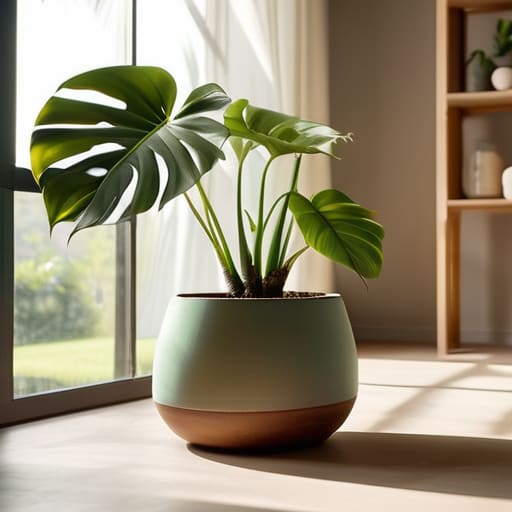
As we look back at the invisible landscape of our homes, it becomes clear that improving air quality is less about a checklist of chores and more about a mindful recalibration of our surroundings. We have explored how the silent presence of VOCs and common pollutants can weigh heavily upon our physical and mental clarity, and how intentional choices—from the way we ventilate our rooms to the way we curate the products we bring through our doors—can lift that burden. By addressing these hidden elements, we aren’t just cleaning a space; we are dismantling the invisible barriers that prevent us from truly resting and thriving within our own sanctuary.
Ultimately, I find that the air we breathe is a profound metaphor for the very lives we lead. Just as we strive to clear the fog from our minds through meditation or deep conversation, we must also tend to the unseen atmosphere that cradles our daily existence. Let this be an invitation to view your home not as a static box, but as a living, breathing entity that requires your stewardship and care. When we honor the purity of our environment, we create the necessary stillness to hear our own thoughts and, perhaps more importantly, to truly connect with the world that waits just beyond our windows.