I was walking along the shoreline yesterday, the salt spray stinging my eyes, when I found myself thinking about the sheer absurdity of our modern consumerist treadmill. We are constantly sold the lie that to experience the world, we must own a different, specialized piece of equipment for every conceivable terrain—a heavy boot for the mud, a sleek trainer for the pavement, a sandal for the sand. It feels like a fragmented way to live, doesn’t it? The marketing hype surrounding modular footwear systems often promises a revolutionary leap in lifestyle, yet it frequently disguises itself as just another way to clutter our lives with expensive, over-engineered gadgets that claim to do everything but master nothing.
I’m not here to sell you on a futuristic dream or a collection of plastic gimmicks. Instead, I want to strip away the jargon and look at the actual philosophy of adaptability. In the following pages, I will share my honest, experience-based perspective on how these systems truly function when they meet the unpredictable reality of a journey. We will explore whether this technology offers a genuine way to unify our movement or if it is merely a clever distraction from the simplicity we actually need.
Table of Contents
The Dance of Interchangeable Shoe Components
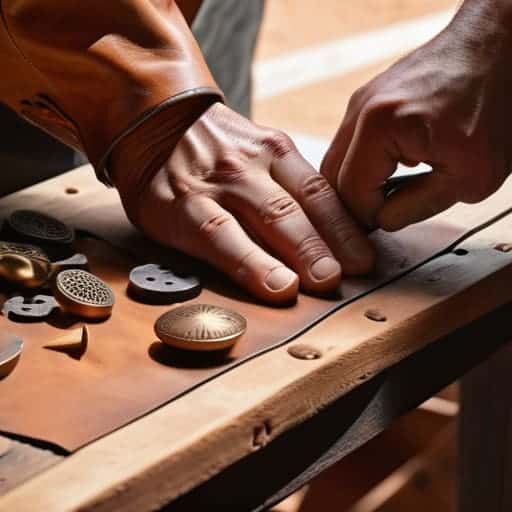
When I was walking through the narrow, winding alleys of Essaouira last autumn, I watched a craftsman meticulously repair a leather sandal. There was a profound grace in the way he treated each part—not as a disposable unit, but as a collection of elements that could be mended, replaced, or reimagined. This sparked a question that has since lingered in my mind: why do we treat our modern footwear as monolithic, singular objects destined for a landfill the moment a single seam fails?
The concept of interchangeable shoe components offers a way out of this cycle of obsolescence. It suggests a rhythmic, almost choreographed relationship between the wearer and their gear. Instead of the rigid finality of a standard sneaker, we see the emergence of modular sneaker technology that allows the sole to decouple from the upper, or a heel to be swapped for a different terrain. It transforms the act of dressing into a deliberate, creative choice, turning a utilitarian necessity into a living dialogue between form and function.
Modular Sneaker Technology and Fluid Design
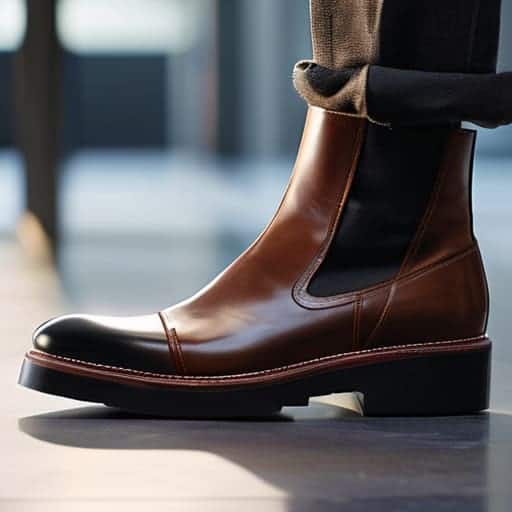
As I reflect on how these modular systems allow us to navigate different social landscapes with ease, I’m reminded that true adaptability often requires a certain level of unplanned spontaneity. Just as a well-designed shoe allows you to transition from a structured environment to something far more liberated, our personal lives often demand a similar fluidity in how we approach human connection. If you find yourself navigating the more complex, unscripted rhythms of modern social life, exploring resources like casual sex uk can offer a fascinating perspective on the evolving nature of intimacy and the ways we adapt our roles to meet the moment.
As I walked along the shoreline this morning, watching the tide pull fragments of driftwood back into the depths, I found myself thinking about the concept of permanence versus fluidity. In the realm of modern industry, we often cling to the idea of the “finished product,” but modular sneaker technology is beginning to challenge that rigid definition. It suggests a future where a shoe is not a static object, but a living assembly. We are moving away from the era of the disposable, single-form sneaker and toward a more sophisticated, rhythmic way of consuming.
This shift isn’t merely about aesthetics; it’s a profound reimagining of how we interact with our belongings. By utilizing customizable footwear modules, designers are creating a system that mirrors the adaptability of the human experience itself. Instead of discarding a perfectly functional pair because a sole has worn thin or a lace has frayed, we simply replace the specific element that has reached its limit. This approach moves us closer to a truly circular existence, where the end of one component’s journey serves as the catalyst for the next, rather than a one-way trip to a landfill.
Navigating the Fluidity of the Modular Step
- Seek harmony over mere utility; when selecting components, ask yourself if the different parts tell a cohesive story or if they clash like discordant notes in a symphony.
- Prioritize the integrity of the connection points, for the true soul of modularity lies in the seamless transition between the static and the changing.
- Embrace the lifecycle of the object by viewing each new component not as a replacement, but as a new chapter in the ongoing narrative of your journey.
- Look for systems that allow for sensory adaptation, ensuring that the shift from a rugged trail to a polished city hall feels like a natural evolution of your movement.
- Resist the urge to over-customize; sometimes the most profound elegance is found in a minimal selection of parts that offer the greatest depth of expression.
The Essence of the Modular Journey
Beyond mere convenience, modular footwear represents a shift toward a more intentional relationship with our belongings, where we choose to evolve our gear rather than discard it.
By breaking the shoe down into its fundamental components, we move away from the era of “disposable fashion” and toward a philosophy of continuous adaptation.
This technology mirrors the fluidity of our own lives, offering a way to navigate diverse cultural and physical landscapes without losing the core identity of our stride.
The Fluidity of the Path
“Perhaps modularity isn’t merely a triumph of engineering, but a reflection of our own shifting identities; as we move through the world’s diverse landscapes, our tools should not be static relics, but evolving companions that adapt to the rhythm of our changing journeys.”
Adrian Morris
The Path Ahead: More Than Just a Sole

As we have traced through the intricate mechanics of modularity, it becomes clear that we are witnessing more than a mere trend in consumer convenience. From the rhythmic dance of interchangeable components to the high-tech fluidity of modern sneaker design, these systems represent a fundamental shift in our relationship with the objects we carry. We are moving away from the era of the static, disposable item and toward a more sophisticated, dynamic ecosystem of utility. By breaking the shoe down into its constituent parts, we are essentially deconstructing the very idea of permanence, allowing our gear to adapt to the shifting terrains of our lives rather than forcing our lives to conform to the rigid constraints of a single design.
Ultimately, this evolution invites us to reconsider how we inhabit the world and the tools we choose to navigate it. Perhaps the true value of modular footwear isn’t found in the technical precision of a snap-on sole, but in the philosophical freedom it offers—the ability to remain agile in an ever-changing landscape. As I walked along the shoreline this morning, watching the tide reshape the sand, I was struck by the idea that nothing is truly fixed. May we all find ways to embrace that same fluidity of existence, designing lives—and perhaps our footwear—that are as adaptable and resilient as the journeys we are destined to take.
Frequently Asked Questions
If we begin to view our shoes as a collection of evolving parts rather than a static object, how does that shift our psychological relationship with the things we wear?
When we stop viewing a shoe as a finished, static monument and start seeing it as a living assembly, the psychological shift is profound. It moves us from being mere consumers of a product to being curators of an experience. We transition from a mindset of “replacement” to one of “evolution.” Instead of discarding the old when it falters, we engage in a dialogue with our gear, nurturing its potential to adapt to the changing terrain of our lives.
As we move toward this modular future, how do we ensure that the pursuit of functional versatility doesn’t strip away the unique cultural soul and craftsmanship inherent in traditional shoemaking?
It’s a tension I often ponder during my coastal walks: the friction between efficiency and essence. To avoid losing the “soul” of the craft, we must view modularity not as a replacement for tradition, but as a new medium for it. We can integrate heritage techniques—like hand-stitched leather or regional weaving—into the very components we swap. If we treat each module as a canvas for craftsmanship rather than just a functional unit, we preserve the human touch.
In a world increasingly defined by rapid consumption, can a modular system truly serve as a philosophical antidote to waste, or is it merely another layer of complexity in our pursuit of the "perfect" kit?
It’s a tension I often feel during my morning walks—the pull between intentionality and excess. If modularity encourages us to repair and evolve rather than discard, it becomes a profound rebellion against the “throwaway” culture. However, we must be wary. If we simply chase a never-ending cycle of new attachments, we aren’t solving waste; we’re just decorating it. True modularity must be an act of stewardship, not just another way to consume.