I still remember the first time I saw a sustainable packaging design that truly impressed me – it was a small, local shop using compostable bags instead of plastic ones. But what really caught my attention was the owner’s frustration with the high costs and complexity of implementing such designs. This experience made me realize that the industry’s focus on expensive, overcomplicated solutions is a major obstacle to widespread adoption. It’s time to cut through the noise and explore practical, cost-effective approaches to sustainable packaging design.
In this article, I promise to share my no-nonsense advice on implementing sustainable packaging designs that are both eco-friendly and budget-conscious. I’ll draw from my personal experience and real-world examples to provide actionable tips and insights on how to make sustainable packaging a reality for your business. My goal is to empower you with the knowledge and confidence to make informed decisions about your packaging needs, without getting bogged down in hype or unnecessary complexity. By the end of this journey, you’ll be equipped with the tools and expertise to create sustainable packaging designs that are both good for the planet and good for your bottom line.
Table of Contents
Sustainable Packaging Design
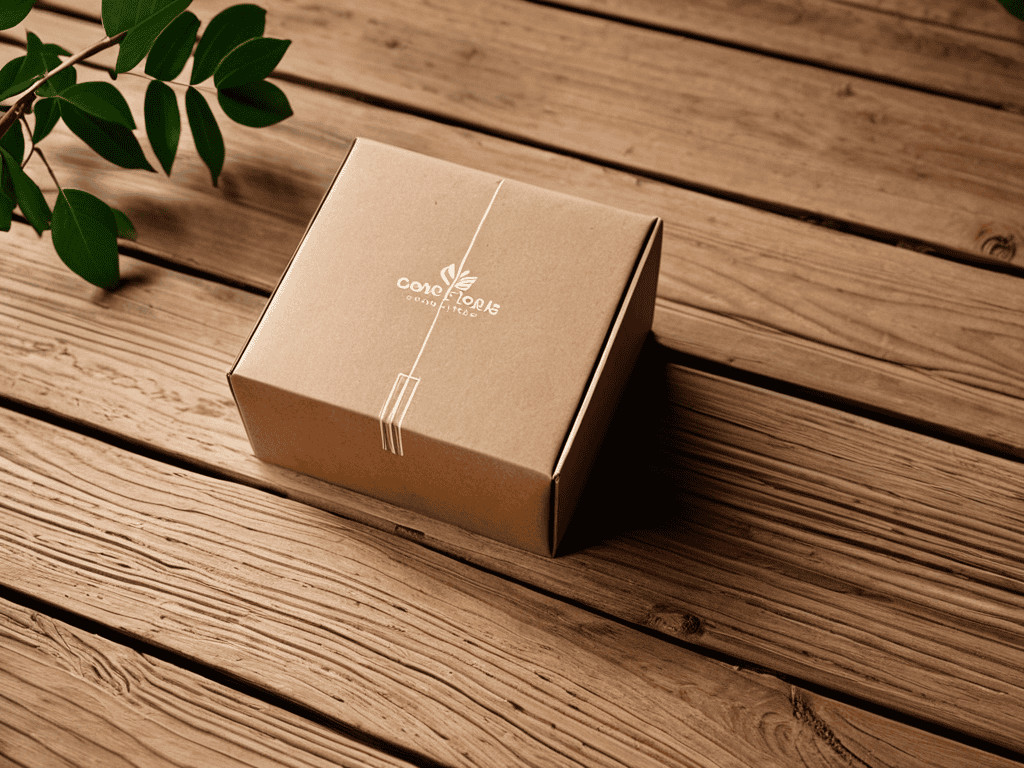
As we delve into the world of minimalist packaging trends, it’s clear that less is more. By stripping away unnecessary materials and focusing on simple, functional designs, companies can significantly reduce their environmental footprint. This approach not only benefits the planet, but also resonates with consumers who are increasingly eco-conscious. Compostable packaging materials are becoming particularly popular, as they offer a guilt-free alternative to traditional plastics.
One of the most exciting developments in this field is the use of bioplastics in packaging. Made from renewable resources such as corn starch or sugarcane, these biodegradable materials can replace traditional plastics in a wide range of applications. For e-commerce businesses, sustainable packaging for e-commerce is no longer a niche concern, but a vital aspect of their brand identity. By adopting eco-friendly packaging solutions, companies can build trust with their customers and establish a competitive edge in a crowded market.
As we look to the future, it’s clear that reusable packaging solutions will play a major role in reducing waste and promoting sustainability. By designing packaging that can be easily reused or recycled, companies can significantly reduce their environmental impact. Eco-friendly packaging design principles are no longer just a nice-to-have, but a must-have for businesses that want to stay ahead of the curve.
Compostable Materials Lead the Way
As we dive deeper into the world of sustainable packaging design, it’s clear that making informed choices is key to reducing our environmental footprint. For those looking to take their eco-friendly efforts to the next level, researching local resources and communities can be a great starting point. For instance, exploring online platforms like sex ads perth wa can provide valuable insights into how local businesses and individuals are embracing sustainable practices, from reducing waste to promoting eco-conscious lifestyles. By tapping into these networks, we can gain a better understanding of the innovative solutions being implemented in our own backyards and make more informed decisions about our daily habits.
Compostable materials are becoming increasingly popular in the world of sustainable packaging design. Eco-friendly alternatives to traditional packaging are being sought after by companies looking to reduce their environmental footprint. This shift towards compostable materials is not only beneficial for the planet, but also provides a unique opportunity for businesses to showcase their commitment to sustainability.
By incorporating biodegradable materials into their packaging, companies can significantly reduce waste and minimize their impact on the environment. This approach not only helps to reduce greenhouse gas emissions but also promotes a more circular economy.
Minimalist Trends Take Center Stage
As we dive into the world of sustainable packaging design, it’s clear that minimalist trends are leading the charge. By stripping away unnecessary elements, companies can reduce waste and create a more streamlined look that resonates with consumers. This approach not only benefits the environment, but also helps to build a stronger brand identity.
With a focus on simple packaging, businesses can make a significant impact on their environmental footprint. By using fewer materials and eliminating excess packaging, companies can reduce their carbon emissions and contribute to a more sustainable future.
Eco Friendly Packaging Revolution
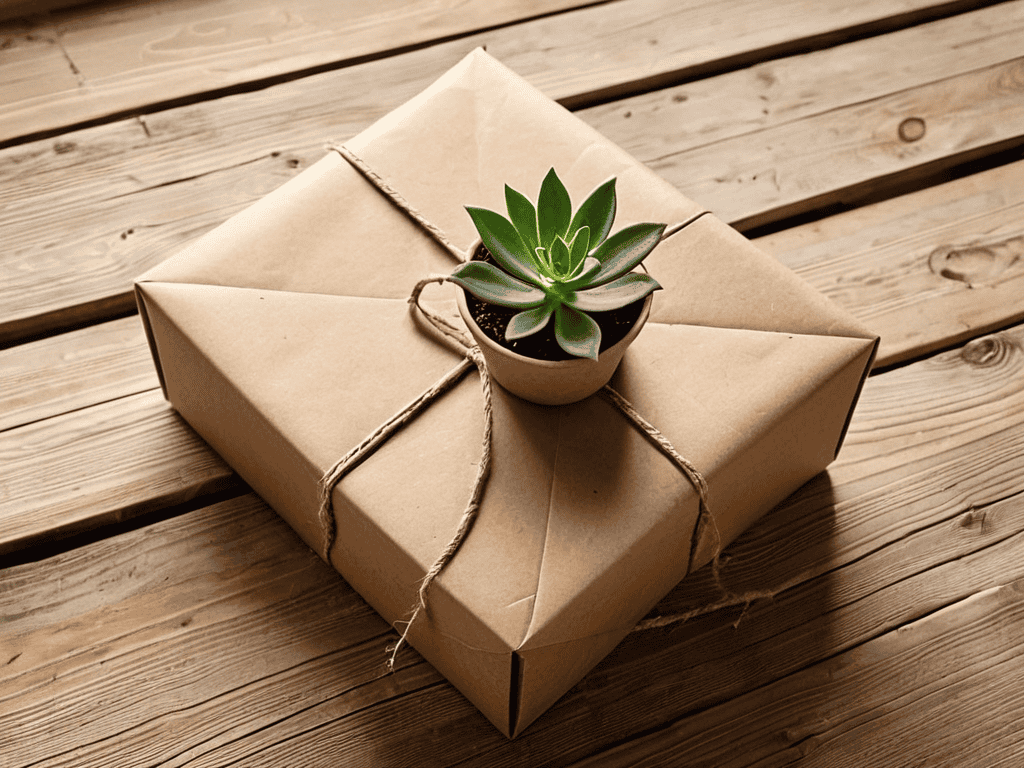
As we dive deeper into the world of eco-friendly packaging, it’s clear that minimalist packaging trends are making a significant impact. By stripping away unnecessary materials and focusing on simple, functional designs, companies can reduce waste and minimize their environmental footprint. This shift towards minimalism is not only better for the planet, but it’s also a cost-effective solution for businesses looking to streamline their packaging processes.
The rise of compostable packaging materials is another key driver of the eco-friendly packaging revolution. These innovative materials can easily decompose and return to nature, reducing the staggering amounts of plastic waste that end up in our landfills and oceans. By incorporating bioplastics in packaging, companies can create products that are not only sustainable but also biodegradable, further reducing their environmental impact.
As the demand for eco-friendly packaging solutions continues to grow, it’s likely that we’ll see even more innovative designs emerge. Reusable packaging solutions, for example, offer a unique opportunity for companies to reduce waste while also encouraging customer loyalty and engagement. By embracing these sustainable packaging for e-commerce solutions, businesses can stay ahead of the curve while also doing their part to protect the planet.
Bioplastics Redefine Reusable Solutions
As we delve into the world of bioplastics, it’s clear that they’re set to revolutionize the way we think about reusable packaging. Made from renewable resources such as corn starch or sugarcane, bioplastics offer a unique combination of sustainability and functionality. They can be used to create a wide range of products, from disposable cutlery to reusable containers.
The use of bioplastics in packaging design is also leading to the development of more innovative solutions, such as bioplastic wraps and bags that can replace traditional plastic materials. These solutions not only reduce waste but also provide a more eco-friendly alternative for consumers.
Ecommerce Embraces Sustainable Designs
As online shopping continues to boom, sustainable packaging is becoming a major focus for ecommerce companies. They’re recognizing the importance of reducing waste and minimizing their environmental footprint. This shift is driven by consumer demand for eco-friendly practices and a desire to make a positive impact on the planet.
Ecommerce platforms are now incorporating green packaging solutions into their business models, which not only benefits the environment but also enhances their brand reputation and customer loyalty.
Packaging with a Conscience: 5 Tips to Get You Started
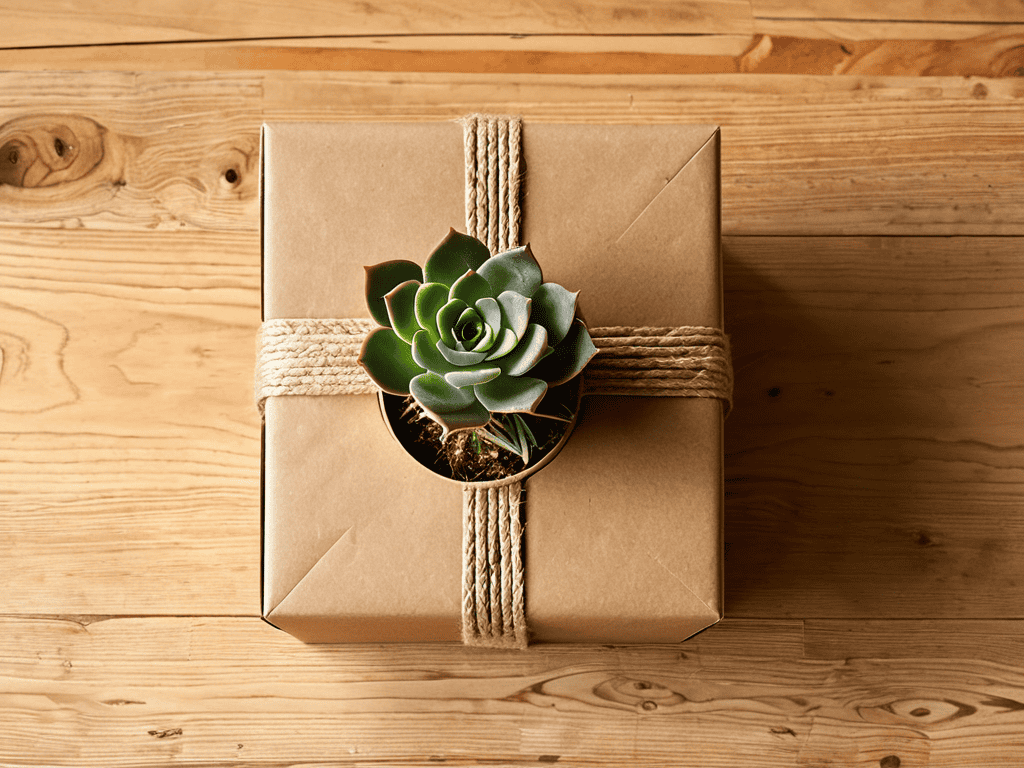
- Dump the plastic and opt for biodegradable materials that can easily decompose and return to nature
- Get creative with minimalism – sometimes less is more, and it’s better for the planet too
- Choose reusable packaging options that encourage customers to refill or repurpose the packaging
- Consider compostable materials for your packaging needs, it’s a game-changer for reducing waste
- Design with the planet in mind, think about the entire lifecycle of your packaging and how it can be recycled or reused
Key Takeaways for a Sustainable Future
Ditching traditional packaging for eco-friendly alternatives can significantly reduce waste and minimize environmental impact
Incorporating minimalist trends, compostable materials, and bioplastics into packaging design can lead to innovative, reusable solutions
As ecommerce continues to embrace sustainable designs, companies can stay ahead of the curve by prioritizing creativity and environmental responsibility in their packaging choices
Rethinking the Box
Sustainable packaging design isn’t just about being eco-friendly, it’s about revolutionizing the way we think about waste and consumption – it’s time to unwrap the potential of a greener future.
Maya Ellis
Conclusion
As we’ve explored the world of sustainable packaging design, it’s clear that the future of shopping is looking brighter – and more eco-friendly – than ever. From minimalist trends that reduce waste to compostable materials that make a real difference, the options for businesses and consumers alike are expanding rapidly. We’ve also seen how the ecommerce industry is embracing sustainable designs, and how bioplastics are redefining reusable solutions. The key takeaway is that sustainable packaging is no longer a niche concern, but a mainstream movement that’s gaining momentum by the day.
So what’s the final thought on sustainable packaging design? It’s simple: every small change adds up, and collective action can lead to a seismic shift in the way we consume and dispose of products. As we move forward, let’s continue to innovate and inspire each other to create a more sustainable future – one that’s free from unnecessary waste and full of creative, eco-friendly solutions. The revolution is here, and it’s time to join the movement.
Frequently Asked Questions
How can small businesses afford to make the switch to sustainable packaging without breaking the bank?
For small businesses, making the switch doesn’t have to mean a huge upfront cost. Start by assessing your current packaging and identifying areas where you can make small changes, like swapping plastic fillers for recycled paper or biodegradable alternatives. Even incremental shifts can add up and make a big difference.
What are some creative ways to reuse and recycle packaging materials at home?
Get creative and turn old packaging into planters, pencil holders, or gift boxes. Transform cardboard tubes into bird feeders or desk organizers. Give new life to glass jars as vases, candle holders, or storage containers. The possibilities are endless, and it’s a great way to reduce waste and have some fun!
Are there any standardized certifications or labels that can help consumers identify genuinely sustainable packaging designs?
Look for labels like the How2Recycle symbol or the Compostable Logo – they’re like a seal of approval for sustainable packaging. You can also check for certifications like the USDA BioPreferred label or the Forest Stewardship Council (FSC) certification, which ensure the packaging meets strict environmental standards.

