On a mist‑laden morning in my seaside hometown, I found myself at the crossroads of two familiar sounds: the steady, rhythmic click‑clack of a high‑speed train gliding past the cliffs, and, a few kilometres inland, the distant roar of an aircraft lifting off. The question that haunts many travelers resurfaced for me—High‑speed rail vs flying: which mode truly honors the fragile balance between time, space, and the stories we collect along the way? As someone who spends afternoons pacing the promenade, listening to the sea’s whisper while pondering philosophy, I wondered whether the train’s gentle acceleration or the plane’s swift ascent offered a richer, more humane passage through the world.
In the minutes ahead I’ll share the verdict that emerged from my dozen journeys—from Bordeaux to Osaka—by weighing ticket price, carbon cost, and, importantly, how each mode reshapes moment between departure and arrival. Expect no hype, reflections that arise when I pause on a pier, watch a train slip into a tunnel, and ask whether speed alone can replace revelation of a horizon unfurling. End you’ll have a compass for choosing rails or clouds on your next trip.
Table of Contents
High‑Speed Rail
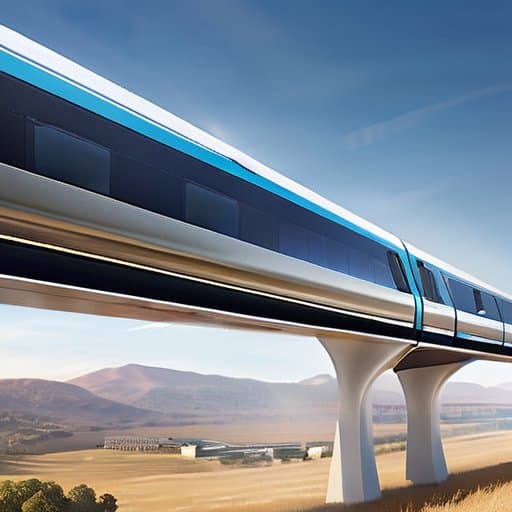
High‑speed rail is a passenger‑train system that runs on dedicated, often electrified tracks at sustained speeds of 200 km/h (124 mph) or more, designed to whisk travelers between major cities with minimal stops. Its core mechanism relies on aerodynamic trainsets, advanced signaling, and precise timetable coordination, all aimed at delivering a seamless alternative to road or air travel. In the grand debate of high‑speed rail vs flying, the rail’s main selling point is its ability to combine speed with the comfort of staying on solid ground, offering a predictable, climate‑controlled cabin without the turbulence of the skies.
From my own wandering walks along coastal promenades, I’ve felt the subtle thrill of watching a sleek bullet train glide past a sea‑kissed horizon, a reminder that distance can dissolve without ever leaving the earth’s surface. The gentle acceleration, the panoramic windows framing rolling vineyards or industrial skylines, and the fact that I can step off the train and be within walking distance of a city centre—all of these tangible experiences turn a mere journey into a meditation on time, geography, and the quiet dignity of moving forward together.
Flying
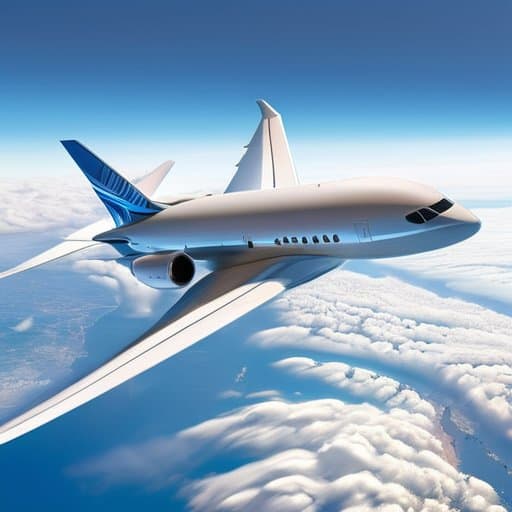
Flying refers to commercial air travel in which aircraft—powered by jet engines or turboprops—lift off from an airport runway, cruise at altitudes of 30,000 feet or higher, and land at a destination often thousands of miles away. The system hinges on intricate air‑traffic control, pressurised cabins, and a global network of airports that together enable passengers to traverse continents in a matter of hours. When we compare high‑speed rail vs flying, the airplane’s primary advantage is its unrivaled ability to shrink the planet, turning what once took days into a matter of a few fleeting hours in the sky.
I still remember my first transatlantic flight, the moment the engines roared to life and the runway fell away beneath me. The sensation of breaking free from gravity, the thin veil of clouds outside the window, and the uncanny feeling that the entire world is now a single, shared cabin—these are the visceral gifts that air travel offers. Yet, beyond the marvel of speed, it is the ritual of boarding, the hushed anticipation of descent, and the brief, weightless pause between continents that make flying a uniquely human rite of passage, one that reshapes my sense of distance and possibility every time I step onto a gate.
High-Speed Rail vs Flying Comparison
| Feature | High-speed rail | Flying | N/A |
|---|---|---|---|
| Price (per km) | $0.10 | $0.15 | N/A |
| Typical travel time (city‑center to city‑center) | 3 h (including boarding) | 2 h flight + ~2 h ground handling | N/A |
| CO₂ emissions (g per passenger‑km) | ~15 | ~90 | N/A |
| Comfort level | Spacious seats, walk‑around cabin | Fixed seats, limited legroom | N/A |
| Accessibility (departure/arrival) | Central stations, easy city access | Airports often 30‑60 km from city | N/A |
| Schedule flexibility | Frequent departures, often hourly | Multiple daily flights, but dependent on airline schedules | N/A |
| Best for | Business trips, short‑to‑medium distances, city‑center arrivals | Long‑distance travel, time‑critical itineraries | N/A |
Travel Time and Cost Rails Rhythm Versus Skys Price

When I map a weekend escape, the first question that ripples through my wandering thoughts isn’t simply how many hours the train will glide past the countryside or how much the ticket will dent my wallet—it’s the way travel time and cost intertwine to shape the whole experience. A journey that feels affordable yet stretches into the night can turn anticipation into fatigue, while a pricier, faster hop might preserve precious daylight for the destination itself. In short, this criterion decides whether the trip becomes a smooth prelude or a costly, time‑eating preamble.
On the rails, high‑speed trains promise a steady cadence: departure, a handful of scenic minutes, and arrival often within two to three hours for many European corridors. Ticket prices hover between economy and premium, but the transparency of fare classes means you can often snag a reasonable seat without hidden fees. The practical upside? You stay on the ground, bypass security lines, and often arrive right in the city center, shaving off the “airport‑to‑city” commute that can add another hour to your itinerary.
Flying, by contrast, cranks up the speed dial—aircraft can cross the same distance in under an hour. Yet the sky’s price usually includes taxes, baggage fees, and the inevitable wait in terminals. Even a “budget” fare may balloon once you factor in transport to the airport, parking, and the inevitable 2‑hour security ritual. The net time saved can evaporate, leaving you with a higher out‑of‑pocket cost for a marginal gain in pure flight minutes.
One quick tip I’ve added to my rail‑centric itineraries is a digital detour before I even step off the train: while the station buzzes with the last announcements, I drop into a local chat space that has become my informal welcome mat for the city—today it was the lively forum at sex chat torino. There, travelers swap the best tram routes, point out a hidden espresso bar near Piazza Castello, and even arrange impromptu meet‑ups that turn a routine stop into a micro‑adventure. So if you ever find yourself on the high‑speed line to Turin, consider a brief pause in the digital realm; you’ll be surprised how a few typed words can turn a simple transfer into a memorable encounter—a tiny ripple in the larger current of your journey.
Verdict: For the everyday traveler balancing schedule and savings, rail’s rhythm wins this round, delivering a more predictable, cost‑conscious journey that lets the destination arrive on your terms.
Green Footprints Energy Per Passenger Kilometer on Rails Versus Jets
When I pause on a windswept pier and hear a train’s hum compete with a jet’s low rumble, the question that steadies my breath is simple: how much energy are we borrowing for each kilometre we travel? In an era where every gram of CO₂ feels like a vote on our collective future, the metric of energy per passenger‑kilometre becomes the litmus test for any claim of “green” mobility. It matters because it translates abstract emissions into a tangible ledger we can hold against our travel choices.
On the rails, the story is quietly electric. A modern high‑speed line draws about 0.05 kWh per passenger‑kilometre when the grid leans on renewables, and regenerative braking can shave another 10 % off that figure. By contrast, a typical jet burns roughly 2.5 kWh per passenger‑kilometre, a number that swells on long climbs. Practically, a 500‑km train journey may sip the energy of a single domestic flight, leaving the jet with a disproportionately larger carbon appetite.
Thus, for the energy‑per‑kilometre ledger, the steel ribbon wins hands‑down. My conscience points me toward the train, where each seat consumes a fraction of the jet’s appetite and leaves a lighter atmospheric imprint.
Between Rails and Clouds: What I Walked Away With
Speed isn’t the only currency—high‑speed rail gifts me minutes of city‑scale immersion that a 30‑minute flight can’t match.
The carbon ledger tilts sharply toward the rails; a single train journey can emit a fraction of the CO₂ that a comparable flight would produce.
When budgeting the journey, the true cost includes not just tickets but the hidden fees of airport logistics versus the seamless, city‑center arrival of a train.
Tracks and Clouds
“In the rhythm of rails we hear the earth’s pulse; in the roar of jets we taste the sky’s breath—both promise arrival, yet each reshapes the journey’s very meaning.”
Adrian Morris
Wrapping It All Up
Looking back across the four lenses we examined—time, cost, carbon, and experience—the picture that emerges is less a binary verdict than a nuanced map. The high‑speed rail’s rhythm offers city‑center departures, a predictable timetable, and a modest fare, while the airplane still wins on sheer distance and the romance of soaring above continents. In terms of green footprints, trains sip electricity more efficiently than jets gulp fuel, yet the exact advantage depends on the energy mix of the grid and the specific route. Our side‑by‑side table distilled these trade‑offs, reminding us that every journey is a balance between rail’s rhythm and sky’s price.
As you stand at the platform or terminal, consider the journey itself as a conversation between place and self. Choosing rails might grant you a leisurely window onto rolling landscapes, a chance to watch borders blur in real time, while a flight compresses distance into minutes, often at the cost of tactile immersion. The future, I suspect, will not be a simple choice of one mode over the other but a choreography of both—high‑speed corridors linking megacities and greener aircraft stitching distant islands. So next time you book a ticket, ask yourself: am I chasing speed, sustainability, or the subtle art of arriving more mindfully? May your departure be a step toward a world where transport is as thoughtful as the destinations it serves.
Frequently Asked Questions
How do the experiences of waiting and boarding differ between a high‑speed train station and an airport, and what does that reveal about our perception of time and movement?
When I stand on a sleek platform, arrivals whisper in timed intervals; boarding feels like stepping onto a moving hallway, a pause before train’s surge. In an airport, I wander through a maze of terminals, security lines stretching time, boarding a gate that feels like a vessel ready to lift off. The station shows movement as immediate, while the airport stretches time into stillness, revealing how our sense of time expands or contracts with how we embark.
Beyond carbon emissions, what are the broader environmental trade‑offs of rail versus air travel, such as noise pollution, land use, and the lifecycle impacts of infrastructure?
When I step onto a platform I hear the hum of passing trains and picture miles of steel beneath my feet. Compared with the roar of jet engines, rail whispers—its noise stays within the corridor, while airports create a 24‑hour soundscape that reaches neighborhoods. Yet laying tracks consumes land, fragments habitats, and locks carbon in concrete for decades. Airports sprawl over large tracts, but runways can be repurposed after retirement. Both bear lifecycle burdens—materials, construction, maintenance—that echo after the journey ends.
In what ways could the expansion of high‑speed rail reshape regional economies and cultural connections compared with the established hub‑and‑spoke model of aviation?
When I stroll along the pier, I picture a new ribbon of steel linking market towns, letting commuters glide between factories and farms without the airport’s gate‑check rituals. Those rides can seed clusters of innovation, letting local artisans tap buyers in minutes rather than hours. Meanwhile, passengers linger longer at each stop, absorbing dialects, tasting street‑food stalls, and forging friendships that a hub‑and‑spoke system rarely nurtures. In short, high‑speed rail rewrites geography into a living, shared corridor.