The salt air was biting during my walk through the old coastal district last Tuesday, a sharp contrast to the cluttered, suffocating sensation I felt sitting in my study just a week prior. I was staring at a bookshelf overflowing with academic texts and trinkets from travels long past, realizing that my physical surroundings had become a cacophony of distractions rather than a sanctuary for thought. We often talk about the benefits of minimalist living as if it’s some aesthetic trend found in sterile, white-walled showrooms, but for me, it has never been about owning nothing; it’s about reclaiming the mental bandwidth stolen by the sheer weight of our possessions.
I’m not here to sell you on a lifestyle of deprivation or to suggest that happiness is found in a single wooden bowl. Instead, I want to share a more nuanced perspective—one forged through years of navigating complex cultural landscapes and personal introspection. I promise to explore the true psychological and philosophical rewards of shedding the unnecessary, moving past the superficial hype to uncover how intentionality can actually deepen our connection to the world around us.
Decluttering for Mental Clarity Finding Stillness Amidst the Noise
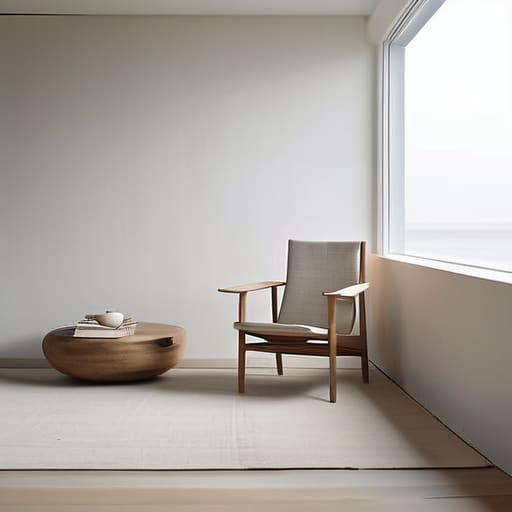
During my walk this morning, the fog rolling in over the coast, I found myself thinking about the sheer weight of the things we carry—not just in our hands, but in our minds. We often treat our physical spaces as mere storage, yet we forget that every misplaced object, every stack of unread papers, and every “just in case” gadget acts as a silent, persistent tug on our attention. I’ve begun to realize that decluttering for mental clarity isn’t merely a chore of tidying; it is a ritual of reclaiming one’s focus. When we strip away the visual static of a crowded room, we aren’t just cleaning; we are lowering the volume of the world so we can finally hear our own thoughts.
There is a profound, almost medicinal quality to this process. As I navigate the psychological effects of minimalism, I notice how a streamlined environment seems to quiet the frantic hum of modern anxiety. When the external world stops demanding our constant visual engagement, the internal landscape begins to settle. It is in this newfound stillness, amidst the absence of excess, that we finally find the breathing room necessary to engage with the ideas that truly move us.
The Psychological Effects of Minimalism a Dialogue With the Self

During my morning walk today, the salt air felt particularly heavy, prompting me to wonder why we cling so fiercely to the physical debris of our past. As I navigated the winding coastal path, I realized that the psychological effects of minimalism extend far beyond the simple aesthetics of a clean shelf. When we strip away the superfluous, we aren’t just tidying a room; we are engaging in a profound, often unsettling, dialogue with our own identities. Without the constant visual noise of our possessions to distract us, we are forced to confront the silence, and in that silence, our true selves begin to speak.
It is in this space of intentional absence that we find a strange kind of liberation. By consciously reducing consumerism’s impact on our immediate environment, we shift our internal compass from “having” to “being.” I’ve found that this mental shift acts as a buffer against the frantic pace of modern life, allowing a sense of equilibrium to settle where anxiety once resided. It is a quiet reclamation of the soul, proving that when we own less, we finally have the capacity to truly inhabit our own lives.
The Art of Intentionality: Five Rituals for a More Meaningful Presence
- Curating Your Physical Sanctuary: Instead of viewing decluttering as a chore of removal, try approaching it as an act of curation. Ask yourself, “Does this object serve a purpose or tell a story that resonates with who I am becoming?” By surrounding yourself only with what holds weight, you create a space that breathes.
- The Discipline of the Single Focus: In our hyper-connected age, we often mistake multitasking for productivity. Minimalism extends to the mind; try practicing ‘monotasking’—giving your undivided attention to a single conversation, a single book, or a single walk. It is in this singular focus that true depth is discovered.
- Cultivating Financial Freedom through Essentialism: There is a profound liberation in breaking the cycle of constant acquisition. When we stop chasing the fleeting dopamine hit of a new purchase, we reclaim our resources to invest in experiences and connections—the very threads that weave our shared human tapestry.
- Protecting Your Temporal Wealth: Time is our most non-renewable resource. Minimalism teaches us to audit our calendars with the same rigor we use for our closets. By saying ‘no’ to the trivial and the performative, we carve out the sacred space required for deep thought and the quiet contemplation I find so vital.
- Embracing the Beauty of the Void: We often fear emptiness, yet it is within the gaps and the silences that new ideas take root. Don’t feel the need to fill every corner of your home or every minute of your day. Allow for the ‘space between’—it is there that the soul finds the room to expand.
The Unfolding Path of Less
As I sit here reflecting on our journey through the landscape of minimalism, I am struck by how much more we gain when we dare to let go. We have explored how the physical act of decluttering serves as a gateway to mental stillness, and how the psychological shift toward simplicity allows for a much more profound dialogue with the self. It isn’t merely about the absence of objects, but rather the presence of intention. By stripping away the superficial layers of consumerism and the relentless noise of “more,” we create a sanctuary where our core values can finally breathe and our true essence can emerge from the shadows of excess.
Ultimately, minimalism is not a destination or a rigid set of rules to be mastered, but a continuous, rhythmic practice—much like my daily walks along the coast. It is an invitation to live with greater awareness and to treat our time, our energy, and our space as the sacred resources they truly are. I encourage you to look at your own life not as a collection of things to be managed, but as a tapestry of experiences waiting to be woven. May you find the courage to prune the unnecessary, so that the most meaningful parts of your soul have the room to bloom in the light.
As I continue to navigate these waters of simplification, I often find that the most difficult clutter to clear isn’t the physical objects on our shelves, but the unspoken complexities of our social and personal connections. Sometimes, finding clarity requires looking toward the unconventional or the unexpected to understand how we truly relate to others. During one of my more recent walking meditations, I stumbled upon how exploring diverse human experiences can act as a mirror for our own desires and boundaries; for those seeking to understand these intricate social dynamics in a specific context, resources like granny escorts brisbane can offer a unique window into the nuanced layers of companionship and the profound ways we seek connection in an often fragmented world.