Have you ever felt overwhelmed by the sheer volume of information needed to master a new skill? I’ve been there too. That’s why I’m excited to introduce knowledge capsules, a game-changing approach to learning. These bite-sized modules are designed to simplify complex topics into digestible, self-contained units.
Each capsule is packed with detailed documentation, image data, and complementary video content. This combination ensures you get a complete learning experience without the need for endless external searches. Developed by the dedicated team at WeDoArt, these modules are perfect for anyone looking to dive deep into topics like dynamic range management.
The integration of multimedia elements, such as workflow videos, makes the learning process fast and effective. Whether you’re a beginner or an expert, these capsules are tailored to help you gain immediate insight and apply what you learn right away.
Key Takeaways
- Knowledge capsules are bite-sized, self-contained learning modules.
- They include detailed documentation, image data, and video content.
- Designed to simplify complex topics for quick understanding.
- Developed by the WeDoArt team for immediate and deep insight.
- Multimedia integration ensures fast and effective learning.
Understanding the Concept of Knowledge Capsules
The rise of microlearning has reshaped the way we approach education. One of the most innovative tools in this space is the knowledge capsule, a self-contained unit designed to simplify complex topics. These modules blend theory with practical examples, making it easier to grasp core subjects quickly.
At their core, knowledge capsules are built around clear documentation and integrated digital images. This combination creates a complete learning set that caters to various preferences. Whether you’re studying dynamic range or human image perception, these modules provide a structured path to understanding.
Definition and Core Characteristics
Knowledge capsules are more than just bite-sized lessons. They include process icons, workflow charts, and detailed explanations of key concepts. This approach ensures that learners can apply what they’ve learned immediately. The focus on management of information makes these modules highly effective.
Developed by the team at WeDoArt, these capsules are the result of extensive research and development. Their Advanced Learning Lab has created a system that supports both beginners and experts. The aim is to provide a seamless learning experience that’s both engaging and informative.
Emerging Trends and Historical Context
The shift toward microlearning has been influenced by the need for quick, accessible resources. The COVID-19 pandemic accelerated this trend, highlighting the importance of digital tools in education. Knowledge capsules are a response to this demand, offering a flexible way to learn.
These modules also reflect broader trends in project-based learning. By integrating multimedia elements like videos and interactive charts, they cater to diverse learning styles. This approach ensures that learners stay engaged and retain information more effectively.
“The future of learning lies in making complex topics accessible to everyone.”
With their structured documentation and focus on practical application, knowledge capsules are transforming how we approach education. They’re not just a trend—they’re a powerful tool for lifelong learning.
Integrating Multimedia Techniques for Accelerated Learning
Multimedia tools are revolutionizing how we absorb and retain information today. By combining video content, digital documentation, and interactive aids, learners can grasp complex topics faster and more effectively. This approach not only simplifies the learning process but also makes it more engaging.
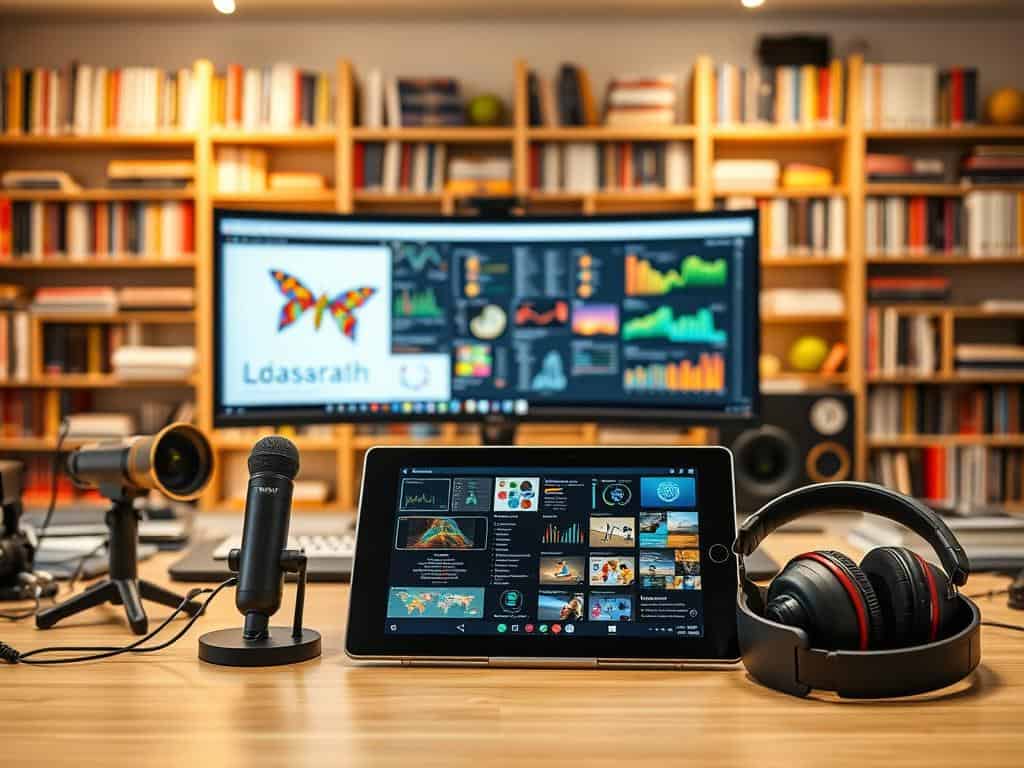
Leveraging Video Content and Digital Documentation
High-quality video content is a cornerstone of modern education. It helps demonstrate complex processes in a way that’s easy to understand. For example, PixInsight’s YouTube channel provides tutorials that complement text documentation, creating a complete educational package.
Digital documentation also plays a key role. Detailed guides and visual aids like process icons make it easier to follow along. This combination ensures learners can apply what they’ve learned immediately, reinforcing the objectives of each module.
Interactive Tools: Mind Maps and Process Icons
Interactive tools like mind maps and process icons are another essential feature. They help learners visualize connections between different concepts, making it easier to retain information. For instance, downloadable workflow charts provide a structured method for understanding complex topics.
These tools also foster better connection of ideas, which is crucial for deep learning. By integrating multimedia elements, learners can engage with the material in a way that suits their individual preferences.
“The future of education lies in making learning interactive and accessible to all.”
This multimedia approach represents a modern category of rapid, technology-driven education. It’s a method I appreciate today for its ability to cater to diverse learning styles and needs. By combining video, documentation, and interactive tools, we can create a learning experience that’s both effective and enjoyable.
Real-World Applications and Innovative Case Studies
Exploring real-world applications of learning tools reveals their transformative potential. From astrophotography to Earth science, these tools are reshaping how we acquire and apply skills. Let’s dive into some innovative case studies that highlight their impact.
PixInsight Projects and Astrophotography Capsules
PixInsight’s astrophotography capsules are a prime example of how structured learning can simplify complex workflows. These modules detail processes like dynamic range management, making it easier for enthusiasts to achieve professional results. Developed through international collaboration, they reflect the expertise of top labs and researchers.
These projects also emphasize the importance of documented data. By providing step-by-step guides and visual aids, they ensure learners can replicate workflows with precision. This approach has been widely praised at conferences, showcasing its effectiveness in skill development.
Earth Science Documentaries and Knowledge Transfer
Earth science documentaries like “The Hidden Meteorite” and “Volcanic Infrasound” are another testament to the power of learning tools. These films capture hands-on research and field documentation, offering a unique perspective on scientific exploration. They’ve been shared at international events, highlighting their role in knowledge transfer.
By integrating multimedia elements, these documentaries make complex topics accessible. They also serve as valuable references for students and professionals alike, bridging the gap between theory and practice.
From Microlearning to Knowledge Pills: A Comparative Perspective
Traditional microlearning focuses on delivering content in small, digestible chunks. However, the concept of knowledge pills takes this a step further by ensuring each module is precise and relevant. This approach has been adopted by labs and educational institutions worldwide, improving learning outcomes.
Modern systems and documented data play a crucial role in this evolution. They enable the creation of tailored learning experiences that cater to diverse needs. As a result, learners can acquire skills more efficiently and apply them in real-world scenarios.
“The future of education lies in making learning interactive and accessible to all.”
These practical examples demonstrate the power of structured learning tools. By fostering international collaboration and leveraging modern systems, they’re transforming how we approach education and skill development.
Conclusion
In today’s fast-paced world, finding an efficient way to learn is more important than ever. The creation of integrated learning systems has transformed how we absorb complex topics. By combining multimedia elements with detailed documentation, these tools offer a game-changing approach to education.
Interactive mind maps and color-rich visuals provide clear insights, making it easier to grasp intricate subjects. Real-world examples, like PixInsight’s astrophotography projects, validate the effectiveness of this tool. Sharing these resources has set a new standard for rapid content dissemination.
This approach not only elevates learning levels but also fosters ongoing professional development. The result is a more engaging and effective way to acquire skills. As we continue to innovate, the creation of such tools will remain a cornerstone of modern education.

