There’s something magical about stepping into a new destination. The first time I traveled abroad, I felt a mix of excitement and nervousness. Little did I know, that journey would change how I see the world forever. Travel has a unique way of opening your eyes to the beauty of diverse cultures and the shared humanity that connects us all.
Maya Angelou once said, “Perhaps travel cannot prevent bigotry, but by demonstrating that all peoples cry, laugh, eat, worry, and die…” This quote resonates deeply with me. Through my adventures, I’ve learned that every person, no matter where they’re from, shares similar joys and struggles. These experiences have taught me empathy and gratitude.
From exploring bustling cities to quiet villages, I’ve discovered that travel isn’t just about seeing new places. It’s about understanding different ways of life and realizing how interconnected our world truly is. Each trip has left me with lasting memories and a broader perspective.
Travel has its challenges, but the rewards are undeniable. It’s a force for good, shaping how we view ourselves and others. As I reflect on my journeys, I’m reminded that the world is vast, yet we’re all part of one global community.
Key Takeaways
- Travel deepens understanding of diverse cultures.
- It builds empathy and connects people globally.
- Simple experiences create lasting memories and insights.
- Travel challenges and inspires personal growth.
- It fosters a sense of global citizenship.
Embracing New Cultures Through Travel
Breaking away from tourist hotspots opened my eyes to the heart of every destination. I’ve learned that the true essence of a place lies in its people and traditions. While resorts offer comfort, they often shield us from the authentic local culture that makes each trip unforgettable.
Experiencing Local Traditions and Heritage
One of my most memorable experiences was joining a family in Morocco for a traditional tea ceremony. It wasn’t just about the tea; it was about the warmth, the stories, and the connection. These moments taught me that culture isn’t something you observe—it’s something you live.
Research shows that 76% of travelers believe experiencing new cultures makes them more open-minded. I’ve found this to be true. Whether it’s learning a local dance in Bali or participating in a cooking class in Italy, these activities deepen my understanding of the world.
Building Genuine Connections Abroad
Interacting with locals has been the highlight of my journeys. I remember a conversation with a fisherman in Vietnam who shared his life story over a bowl of pho. These exchanges remind me that, despite our differences, we’re all part of one global community.
Statistics reveal that 59% of travelers engage in conversations with locals to enhance their understanding of the culture. These interactions challenge my preconceptions and enrich my perspective. They’ve taught me that travel isn’t just about seeing new places—it’s about connecting with the people who call them home.
Impact of Travel: Its Role on Local Economies and Cultures
Every journey I take reveals the intricate balance between tourism and local communities. Travel has the power to inject life into economies, but it also carries the risk of eroding authentic traditions. Understanding this duality is key to fostering responsible tourism.
Understanding Economic Benefits and Challenges
When I visit a new place, I make it a point to support local businesses. Whether it’s buying handmade crafts or dining at family-owned restaurants, I’ve seen how my spending can directly benefit the community. This approach keeps money circulating locally, which is crucial for economic development.
However, not all tourism dollars stay within the community. In some countries, a significant portion of tourist spending leaks out due to imported goods and services. This can hinder local growth and leave small businesses struggling to compete.
For example, during my trip to a Caribbean island, I noticed how many resorts relied on imported products. While this provided convenience for tourists, it did little to support the local economy. This experience made me more mindful of where I spend my money.
Preserving Authentic Local Culture
Travel has the potential to celebrate and preserve local culture, but it can also dilute it. I’ve visited destinations where traditional practices were reduced to performances for tourists. This “Disneyization” of culture risks eroding the very heritage that makes a place unique.
On the other hand, I’ve also seen how tourism can fund the restoration of historical landmarks and keep traditional crafts alive. In Morocco, I attended a workshop where artisans shared their craft with visitors. This not only supported their livelihood but also ensured their skills were passed down to future generations.
Balancing tourism growth with cultural integrity is a challenge, but it’s essential. By choosing experiences that respect and celebrate local traditions, we can ensure that travel benefits communities without harming their way of life.
Environmental Implications of Modern Travel
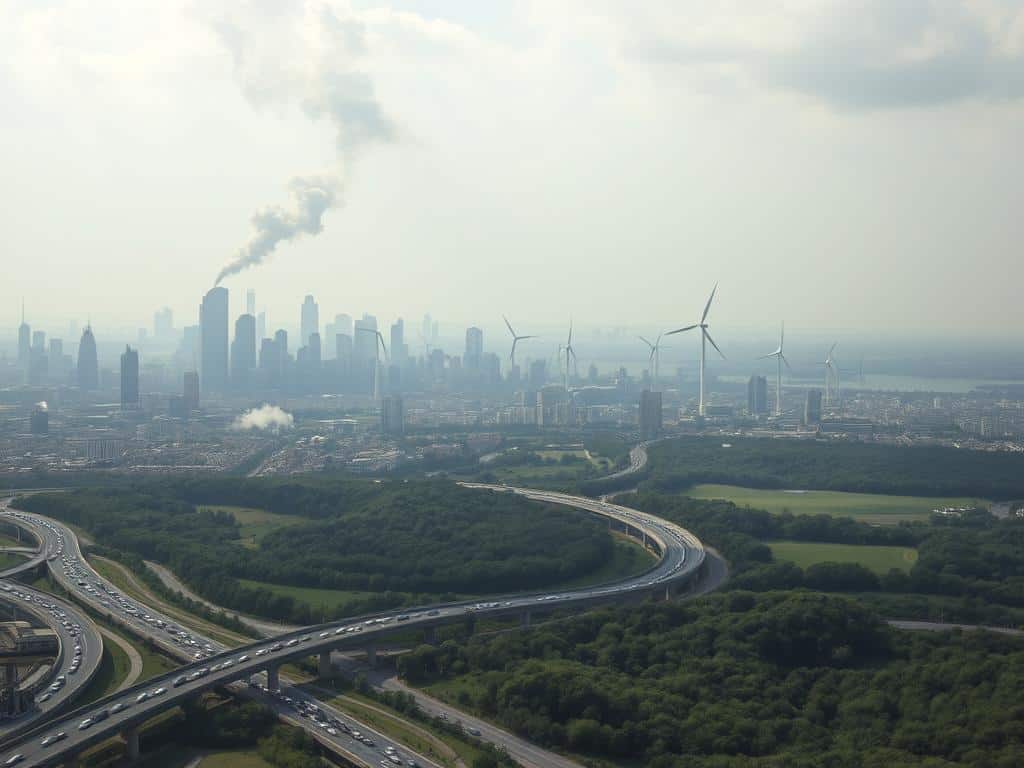
Exploring the world often comes with an unseen cost to our planet. While travel enriches our lives, it also leaves a significant mark on the environment. From carbon emissions to resource depletion, the negative impact of modern tourism is a growing concern.
Assessing the Environmental Footprint
One of the biggest contributors to environmental degradation is air travel. A single flight can emit as much CO2 as an acre of forest absorbs in a year. Staying in energy-intensive hotels and dining at chain restaurants further increases this footprint.
Transportation accounts for 5% of global greenhouse gas emissions, with aviation being a major player. By 2030, transport-related CO2 emissions in tourism are projected to grow by 25%. This highlights the urgent need for sustainable practices.
Challenges of Overtourism and Eco-Stress
Overtourism places immense pressure on local infrastructures and natural resources. Popular destinations like Venice and the Maldives face issues like pollution, waste, and damage to ecosystems. Small island nations, where tourism accounts for up to 80% of national emissions, are particularly vulnerable.
For example, rising sea levels threaten resorts in the Caribbean, while coral reefs, which contribute $11.5 billion annually to global tourism income, are disappearing at an alarming rate. These challenges underscore the need for responsible travel.
Strategies for Mitigating Negative Effects
Reducing our environmental impact starts with small changes. I opt for eco-friendly accommodations that minimize energy use and waste. Choosing local businesses over chain establishments also supports sustainable development.
Travelers can also offset their carbon footprint by supporting reforestation projects or using public transportation. As the world becomes more aware of these issues, adopting these practices can help preserve our planet for future generations.
Travel as a Pathway to Personal and Professional Growth
Travel has always been my greatest teacher, shaping both my personal and professional life. It’s more than just visiting new places; it’s about the lessons I learn along the way. From navigating unfamiliar streets to connecting with people from different walks of life, every trip has added a new layer to my growth.
Cultivating New Skills Through Exploration
One of the most powerful aspects of travel is its ability to teach. I’ve learned to adapt quickly, solve problems on the fly, and communicate effectively, even when language barriers exist. These skills have not only enriched my personal life but also boosted my professional development.
For example, staying in local hotels or guesthouses has taught me to appreciate simplicity and resourcefulness. Planning itineraries has sharpened my organizational skills, while trying new foods has expanded my creativity. These experiences have made me more versatile and open-minded.
Travel has also improved my health in unexpected ways. Walking through bustling markets or hiking scenic trails keeps me active. The mental clarity I gain from stepping away from routine helps me return to work refreshed and focused. It’s a reminder that taking breaks is essential for long-term productivity.
Perhaps the most significant benefit of travel is the confidence it builds. Navigating new environments and overcoming challenges has made me more resilient. This confidence translates into my professional life, where I’m better equipped to handle uncertainty and lead with clarity.
Travel isn’t just a leisure activity; it’s a pathway to becoming a better person and professional. It’s a reminder that the world is full of opportunities for growth, and every journey brings me closer to realizing my full potential.
Adapting to Global Changes in the Travel Industry
The travel industry has undergone significant transformations in recent years. From the pandemic to natural disasters, global events have reshaped how we approach travel. These changes have forced both travelers and businesses to adapt quickly.
Navigating Post-Pandemic Travel Norms
One of the most noticeable shifts has been in flight protocols. Pre-boarding tests, vaccination checks, and quarantine processes have become standard. While these measures ensure safety, they also add complexity to the travel experience.
For example, during a recent trip, I had to navigate multiple testing requirements. Staying informed about each destination’s rules became essential. This process taught me the importance of thorough planning and flexibility.
Responding to World Events Affecting Travel
Beyond the pandemic, other global events have disrupted the industry. Labor shortages and rising fuel costs have impacted everything from airline operations to hotel services. These challenges have led to increased prices and reduced availability.
I’ve adjusted by booking flights and accommodations well in advance. I also prioritize businesses that demonstrate resilience and adaptability. Supporting local hotels and airlines helps sustain the tourism sector during uncertain times.
Staying updated on industry trends has become a key part of my travel routine. Whether it’s tracking flight delays or monitoring weather patterns, being prepared ensures smoother journeys. This proactive approach has made me a more confident traveler.
Integrating Sustainable Practices into My Travel Routine
Sustainable travel has become a cornerstone of my adventures, shaping how I explore the world. I’ve made it my mission to reduce my environmental footprint while supporting local communities. Every decision, from where I stay to how I get around, reflects my commitment to responsible tourism.
Choosing Eco-Friendly Options
One of the first steps I take is selecting eco-friendly accommodations. Instead of large hotel chains, I opt for local guesthouses or eco-lodges. These places often use renewable energy and minimize waste, aligning with my values.
Transportation is another area where I make mindful choices. I prioritize direct flights to reduce carbon emissions and use public transportation whenever possible. Walking or biking not only lowers my impact but also lets me connect more deeply with the destination.
Small changes, like carrying reusable toiletries and a portable water purifier, also make a difference. These habits help me avoid single-use plastics and reduce waste, one trip at a time.
Supporting Local Initiatives and Businesses
Supporting local economies is a key part of my travel philosophy. I seek out family-owned restaurants, artisan shops, and community-driven tours. These experiences not only enrich my journey but also ensure my spending benefits the people who call these places home.
For example, during a recent trip to Thailand, I joined a cooking class hosted by a local family. It was a chance to learn about their culture while contributing to their livelihood. Moments like these remind me of the power of responsible tourism.
I also look for initiatives that give back to the community, such as reforestation projects or wildlife conservation programs. By participating, I feel like I’m leaving a positive mark on the places I visit.
Every day on the road is an opportunity to make better choices. Whether it’s conserving water, respecting local customs, or supporting small businesses, I believe these actions collectively create a more sustainable future for travel.
Conclusion
Every trip I take reminds me of the world’s endless possibilities. From immersing myself in local traditions to supporting small businesses, I’ve seen how tourism can enrich both travelers and communities. These experiences have taught me the power of connection and the importance of preserving cultural heritage.
Travel has its challenges, but its positive impact is undeniable. It fosters personal growth, improves health, and builds bridges between cultures. By making mindful choices, we can ensure our journeys leave a lasting, beneficial effect on the places we visit.
As I reflect on my adventures, I’m inspired to continue exploring with purpose. Every trip is an opportunity to learn, grow, and contribute to a better world. I invite you to join me in embracing travel as a force for good—one thoughtful step at a time.

