I still remember the day I hit rock bottom at my old job – the constant pressure to meet deadlines, the lack of control over my workload, and the feeling of being undervalued had taken a toll on my mental health. It was then that I realized the importance of learning How to reduce workplace stress. The common myth that stress is an inevitable part of a successful career is not only misleading but also damaging. In reality, chronic stress can lead to burnout, decreased productivity, and a host of other negative consequences. It’s time to shift our focus from merely managing stress to actually reducing it.
In this article, I’ll share practical, no-nonsense advice on How to reduce workplace stress. You’ll learn simple yet effective techniques to regain control over your worklife, from prioritizing tasks to setting healthy boundaries with your colleagues and manager. I’ll cut through the hype and provide you with actionable tips that you can start implementing immediately. By the end of this guide, you’ll be equipped with the knowledge and tools to create a more balanced, stress-free work environment that allows you to thrive, not just survive.
Table of Contents
Guide Overview: What You’ll Need

Total Time: 1 hour to 3 hours
Estimated Cost: $0 – $100
Difficulty Level: Easy
Tools Required
- Journal (for writing down thoughts and feelings)
- Comfortable Workspace (with good lighting and minimal distractions)
- Mindfulness Apps (such as Headspace or Calm)
Supplies & Materials
- Stress Ball (for physical stress relief)
- Herbal Tea (such as chamomile or peppermint)
- Plants (for air purification and calming effects)
Step-by-Step Instructions
- 1. First, let’s start by identifying the sources of stress in your workplace. Take some time to reflect on your daily tasks, interactions, and environment to pinpoint what’s causing you the most anxiety. Is it a specific project, a difficult coworker, or the constant noise in the office? Once you’re aware of the stressors, you can begin to develop strategies to tackle them.
- 2. Next, prioritize self-care by scheduling regular breaks throughout the day. This can be as simple as taking a short walk outside, doing a few stretching exercises, or practicing some deep breathing techniques. Use this time to clear your mind and recharge – try to avoid checking work emails or taking work calls during your breaks.
- 3. Now, let’s talk about time management. Poor time management can lead to feelings of overwhelm and stress, so it’s essential to get a handle on your workload. Start by making a to-do list at the beginning of each day, and then focus on one task at a time. Break down larger projects into smaller, manageable chunks, and don’t be afraid to delegate tasks when possible.
- 4. To reduce stress and increase productivity, it’s crucial to create a comfortable work environment. This can be achieved by adjusting the lighting, temperature, and noise levels in your workspace. Consider using a noise machine or playing calming music in the background to help you concentrate. You can also add some plants or artwork to make your space more visually appealing.
- 5. Learning to communicate effectively with your coworkers and supervisors is vital for reducing workplace stress. Don’t be afraid to speak up when you need help or clarification on a project, and try to address conflicts in a timely and respectful manner. Remember that your colleagues are likely experiencing stress as well, so a little empathy and understanding can go a long way.
- 6. Another key step in reducing workplace stress is to set realistic goals and boundaries. Be honest with yourself and your team about what you can accomplish in a day, and avoid overcommitting yourself. It’s better to underpromise and overdeliver than to set yourself up for failure and disappointment. Remember to take time off when you need it, and use your vacation days to relax and recharge.
- 7. Finally, consider incorporating stress-reducing activities into your daily routine, such as meditation, yoga, or journaling. These practices can help you stay focused and calm, even in the midst of chaos. You can find plenty of free resources and guided sessions online, or try using a mobile app to get started. With regular practice, you can develop greater resilience and better cope with the demands of your job.
Reducing Workplace Stress

As you continue on your journey to a more relaxed and productive worklife, it’s essential to remember that taking care of your mental health is just as important as managing your tasks. For those looking to dive deeper into mindfulness and self-care, there are numerous resources available that can provide valuable insights and techniques. For instance, exploring local wellness initiatives, such as those found at sex in niedersachsen, can offer a unique perspective on achieving balance in your personal and professional life, helping you to better navigate the challenges of workplace stress and cultivate a more positive, resilient mindset.
To create a more serene work atmosphere, it’s essential to focus on mindfulness exercises for employees. This can include simple activities like meditation or deep breathing exercises during breaks. By incorporating these practices, employees can better manage their stress levels and improve their overall well-being. Additionally, effective time management techniques can help reduce feelings of overwhelm, allowing employees to prioritize tasks and maintain a sense of control.
Building a positive work environment is also crucial in reducing stress. This can be achieved by managing conflict at work in a constructive manner, fostering open communication and encouraging teamwork. When employees feel supported and valued, they are more likely to feel motivated and engaged, leading to a decrease in stress levels. Furthermore, importance of work life balance should be emphasized, as it plays a significant role in maintaining employee well-being.
By implementing these strategies, managers can create a more relaxed and productive work environment. Stress reduction strategies for managers should also be considered, as they often face unique challenges and pressures. By prioritizing their own well-being, managers can better support their teams and lead by example, promoting a culture of wellness and calm in the workplace.
Effective Time Management Techniques
To effectively manage time, prioritize tasks based on urgency and importance. Focus on completing high-priority tasks first, breaking them down into manageable chunks to avoid feeling overwhelmed. This approach helps maintain a sense of control and accomplishment, reducing stress levels.
By implementing effective time management techniques, employees can better navigate their workload, minimize distractions, and create a healthier work-life balance. This, in turn, leads to increased productivity and reduced stress, ultimately contributing to a more positive and calm work environment.
Mindfulness Exercises for Employees
Mindfulness exercises can be a powerful tool for employees to manage stress. Simple practices like deep breathing, meditation, or yoga can help calm the mind and reduce feelings of overwhelm. Even a few minutes of focused attention on the breath can make a significant difference in how we approach our work. By incorporating mindfulness into our daily routine, we can improve our ability to stay present and focused, leading to greater productivity and job satisfaction.
Regular mindfulness practice can also help employees develop greater self-awareness, allowing them to better recognize the signs of stress and take steps to mitigate its effects. By prioritizing mindfulness, organizations can create a healthier and more supportive work environment, leading to increased employee well-being and success.
Simple Yet Powerful Stress Busters
- Prioritize tasks to maintain a healthy work-life balance and reduce the feeling of being overwhelmed
- Take regular breaks to recharge and refocus, even if it’s just a short walk outside
- Practice deep breathing exercises or meditation to calm your mind and reduce anxiety
- Set realistic goals and deadlines to avoid last-minute cramming and excessive stress
- Establish open communication with your team and supervisor to address and resolve conflicts promptly
Key Takeaways to a Stress-Free Worklife
Prioritizing mindfulness exercises and self-care practices can significantly reduce workplace stress and improve overall well-being
Effective time management techniques, such as setting realistic goals and avoiding multitasking, can help employees stay focused and in control
By implementing simple yet impactful stress-reducing strategies, employees and employers can work together to create a more positive, productive, and supportive work environment
Finding Inner Peace at Work
The moment we stop trying to control the chaos around us and start focusing on the calm within, that’s when the real magic happens and stress starts to melt away.
Alexandra Thompson
Embracing a Stress-Free Worklife
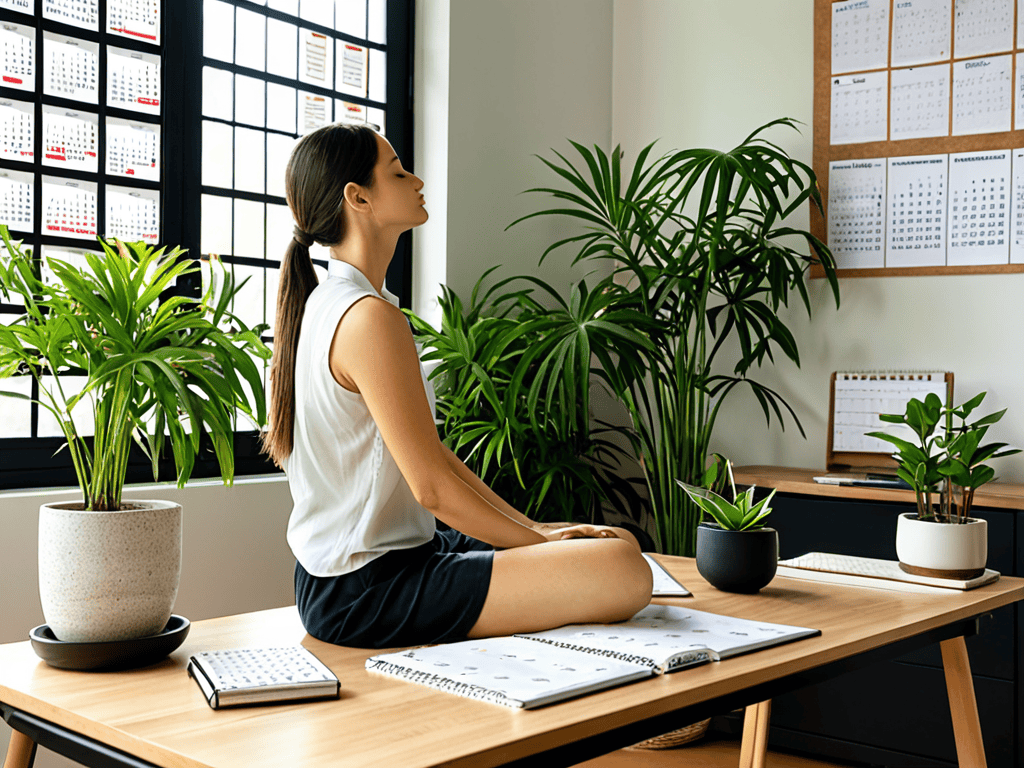
In our journey to reduce workplace stress, we’ve explored several key strategies, including mindfulness exercises and effective time management techniques. By incorporating these practices into our daily routines, we can better navigate the challenges of our jobs and improve our overall well-being. It’s essential to remember that reducing stress is a continuous process, and it’s crucial to be patient and compassionate with ourselves as we work towards a more balanced and peaceful worklife. By acknowledging the importance of self-care and taking proactive steps to manage stress, we can create a healthier and more supportive work environment for everyone.
As we move forward, let’s hold onto the idea that a stress-free worklife is not just a distant dream, but a tangible reality that we can achieve through dedication and effort. By prioritizing our well-being and making conscious choices to reduce stress, we can unlock our full potential, foster meaningful connections with our colleagues, and find joy and fulfillment in our work. So, let’s take a deep breath, exhale our worries, and embark on this transformative journey together, one mindful step at a time.
Frequently Asked Questions
What are some common signs that I’m experiencing workplace stress and how can I recognize them?
So, how do you know if you’re stressed at work? Common signs include feeling overwhelmed, anxious, or irritable, and physical symptoms like headaches or fatigue. You might also notice you’re having trouble sleeping or concentrating, or that you’re withdrawn from coworkers and activities you used to enjoy.
Can mindfulness exercises really make a difference in reducing stress at work, or are they just a trendy distraction?
Honestly, mindfulness exercises can be a game-changer for reducing stress at work. By taking just a few minutes to focus on your breath and calm your mind, you can gain clarity and perspective, making it easier to tackle tough tasks and manage workload pressures. It’s not just a trend, it’s a proven technique.
How can I balance the need to manage my time effectively with the pressure to meet tight deadlines and heavy workloads?
Honestly, it’s a delicate dance – prioritize tasks, focus on high-impact activities, and learn to say no to non-essential work. Set realistic goals and break them down into manageable chunks to avoid feeling overwhelmed. Remember, it’s about working smarter, not harder.

