I still remember the day I decided to tackle the outdated bathroom in my first home – it was a total disaster. The yellowed tile, the faded grout… it all just screamed “old.” But as I delved into the world of DIY renovation, I discovered that how to regrout your bathroom tile for a fresh look wasn’t as complicated as I thought. In fact, it’s often the simplest solutions that make the biggest impact. I used to think that regrouting was a task best left to the professionals, but boy was I wrong.
As you read through this article, you’ll learn the no-nonsense secrets to giving your bathroom a major facelift without breaking the bank. You’ll discover how to prepare your tile, remove the old grout, and apply new grout like a pro. Whether you’re a seasoned DIY enthusiast or a beginner looking to make a change, this guide will walk you through every step of the process, providing you with practical advice and honest tips to achieve a fresh, new look for your bathroom tile. By the end of this article, you’ll be equipped with the knowledge and confidence to tackle the project yourself and enjoy a beautifully renovated bathroom.
Table of Contents
Guide Overview: What You’ll Need
Total Time: 4 hours 30 minutes
Estimated Cost: $20 – $50
Difficulty Level: Intermediate
Tools Required
- Grout Saw (for removing old grout)
- Grout Float (for applying new grout)
- Grout Sponge (for cleaning excess grout)
- Putty Knife (for scraping out old grout)
- Measuring Cups (for mixing grout)
- Mixing Stick (for mixing grout)
- Safety Goggles (for protecting eyes from grout particles)
- Rubber Gloves (for protecting hands from grout and cleaning solutions)
Supplies & Materials
- Grout (choose a color that matches your existing grout)
- Grout Sealer (optional, for protecting grout from stains)
- Grout Cleaner (for cleaning grout before regrouting)
- Water (for mixing grout and cleaning)
- Cleaning Solution (for removing soap scum and mildew)
- Spacers (for maintaining even grout lines, 1/8 inch or 1/4 inch)
Step-by-Step Instructions
- 1. First, prepare your workspace by clearing the area around your bathroom tile of any clutter or obstructions. This will give you a clean slate to work with and help prevent any accidents or damage to surrounding surfaces. Make sure to cover your floors and any remaining surfaces with drop cloths or plastic sheets to protect them from dust and debris.
- 2. Next, remove the old grout using a grout saw or a grout removal tool. This can be a tedious process, but it’s essential to get rid of the old, worn-out grout to make way for the new one. Be careful not to scratch or damage the surrounding tile as you work.
- 3. Now it’s time to clean the area thoroughly to remove any remaining grout dust or debris. Use a mixture of soap and warm water to scrub the area, and then rinse it with clean water to remove any soap residue. This step is crucial to ensure a strong bond between the new grout and the tile.
- 4. Apply new grout to the area, using a grout float to spread it evenly and press it firmly into the gaps between the tiles. Make sure to hold the float at a 45-degree angle to remove any excess grout and prevent it from getting onto the surface of the tiles.
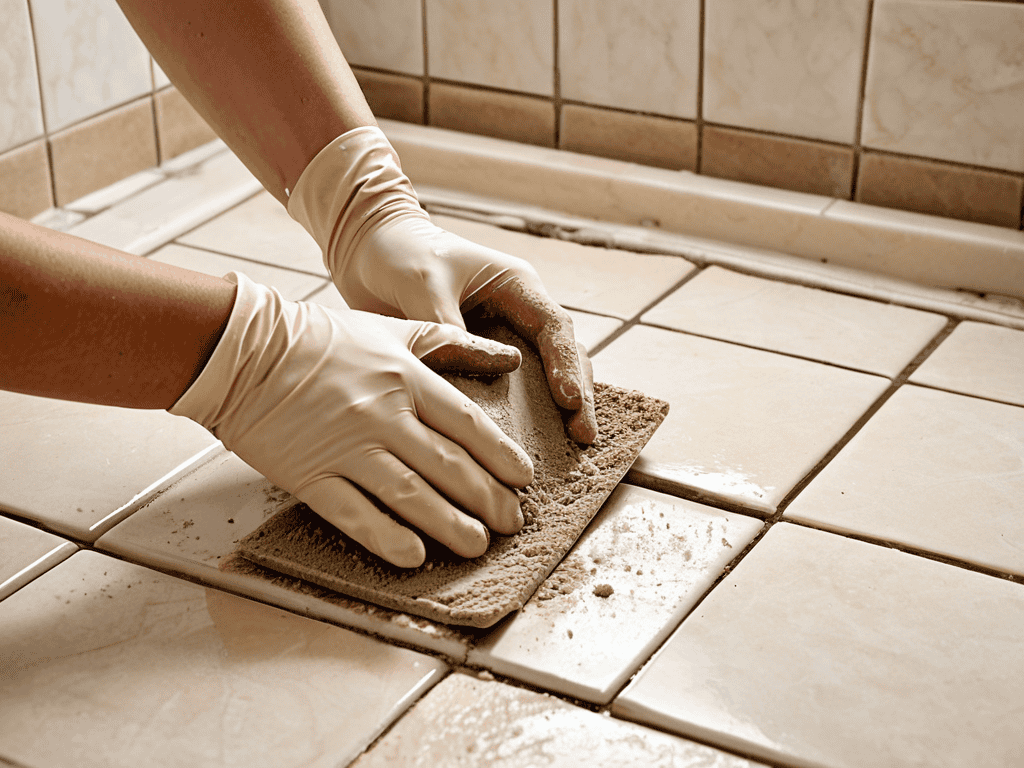
- 5. Use a damp sponge to wipe away excess grout from the surface of the tiles, working in a circular motion to clean the area. Be careful not to remove too much grout from the gaps, as this can compromise the bond between the grout and the tile.
- 6. Allow the grout to set and dry completely, according to the manufacturer’s instructions. This can take anywhere from 15 minutes to several hours, depending on the type of grout you’re using. Once it’s dry, use a soft cloth to buff the area and remove any haze or residue.
- 7. Finally, seal the grout to protect it from stains and water damage. This step is optional, but it’s highly recommended to extend the life of your new grout and keep it looking its best. Apply a grout sealer according to the manufacturer’s instructions, and let it dry completely before exposing the area to water.
Regrout for a Fresh Look
When it comes to giving your bathroom a fresh new look, it’s all about the details, and choosing the right grout can make all the difference. If you’re looking for some inspiration or want to connect with others who are going through a similar renovation process, I’ve found that online communities can be a great resource. For example, you can find some really helpful tips and advice on websites like sexkontakte, which offer a platform to share your experiences and learn from others who have already been through the process of regrouting their bathroom tile. By tapping into these resources, you can gain a better understanding of what works and what doesn’t, and make your bathroom renovation a whole lot smoother.
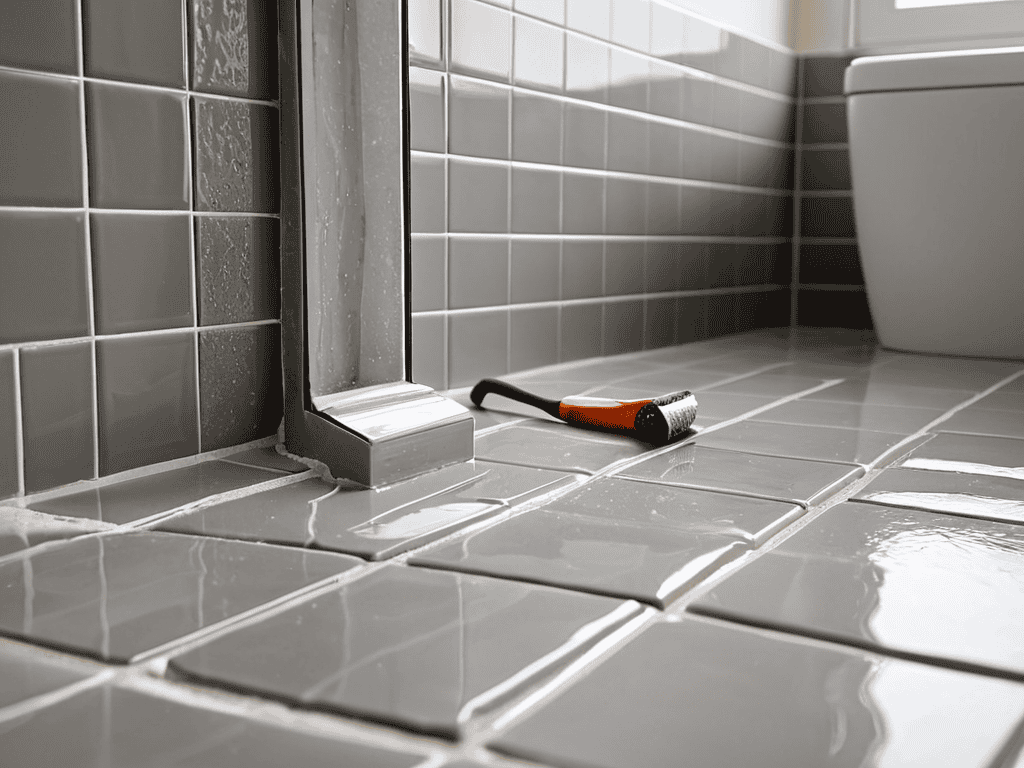
When it comes to bathroom tile renovation ideas, regrouting is a great way to give your space a fresh new look without breaking the bank. One of the most important things to consider is choosing the right grout color to match your existing tile. This can make a huge difference in the overall appearance of your bathroom. By selecting a grout color that complements your tile, you can create a cohesive and polished look.
In addition to choosing the right grout color, it’s also important to consider grout sealer application tips. Applying a grout sealer can help protect your new grout from stains and make it easier to clean. This is especially important in high-traffic areas like the bathroom, where moisture and humidity can take a toll on your tile and grout. By following a few simple diy bathroom tile repair tips, you can keep your bathroom looking its best for years to come.
To take your bathroom tile to the next level, consider exploring current bathroom tile design trends. From bold colors to unique patterns, there are many ways to update your bathroom tile and give it a fresh new look. By combining these trends with your new grout, you can create a beautiful and modern space that you’ll love spending time in. Whether you’re looking to make a big impact or just want to give your bathroom a little facelift, regrouting your tile is a great place to start.
Bathroom Tile Renovation Ideas
Bathroom Tile Renovation Ideas
Now that you’ve mastered the art of regrouting, it’s time to think about the bigger picture. Consider updating your tile’s layout or pattern to create a unique focal point in the room. You could also experiment with different tile materials, such as glass or natural stone, to add some visual interest.
For a cohesive look, match your new grout color to your bathroom’s existing fixtures and decor. This will help create a seamless transition between old and new elements, resulting in a space that feels refreshed and revitalized.
Choosing the Right Grout Color
When it comes to choosing the right grout color, it’s all about complementing your existing tile and bathroom decor. You want a color that will blend seamlessly and create a cohesive look. Consider the color of your tile, as well as the color of your countertops, sink, and other fixtures. If you’re looking for a classic look, a neutral grout color like white, gray, or beige is always a safe bet. On the other hand, if you want to add some visual interest, you could opt for a grout color that contrasts with your tile, like a dark gray or black with white tile.
A good rule of thumb is to test out a few different grout colors with a small sample before committing to a specific shade. This will give you a better sense of how the color will look in your specific bathroom lighting.
5 Essential Tips for a Successful Bathroom Regrout
- Prepare your workspace by clearing the area around the tiles and covering the floor and any surrounding surfaces to prevent damage from grout and cleaning products
- Use a grout saw or old screwdriver to carefully remove the old grout, taking care not to damage the surrounding tiles
- Select a grout color that complements the color of your tiles, and consider using a grout with built-in mold and mildew resistance for easier maintenance
- Apply the new grout using a grout float, holding the float at a 45-degree angle and pressing the grout firmly into the gaps between the tiles
- Seal the new grout after it has fully dried to protect it from stains and make cleaning easier, and consider using a grout sealer with a built-in mold and mildew inhibitor for added protection
Key Takeaways for a Successful Regrout
Regrouting your bathroom tile can completely transform the space, making it look fresh and new without the need for a full renovation
Choosing the right grout color is crucial, as it can dramatically impact the overall aesthetic of your bathroom, from making the space appear larger to enhancing the color of your tiles
By following a simple step-by-step guide and considering factors like grout color and tile renovation ideas, you can achieve professional-looking results and breathe new life into your bathroom
The Power of Regrouting
Regrouting your bathroom tile is more than just a cosmetic fix, it’s a chance to revive the heartbeat of your home and fall in love with your space all over again.
Emily Wilson
Bringing It All Together
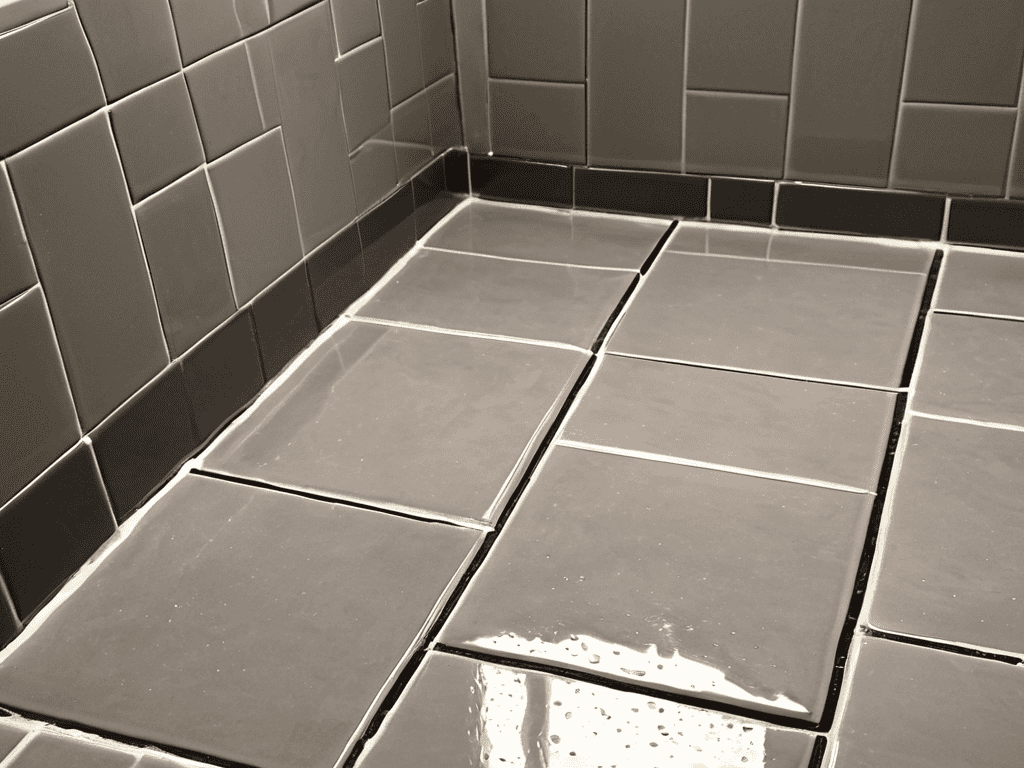
By following the steps outlined in this guide, you’ll be well on your way to giving your bathroom a fresh new look. From preparing the area to applying the new grout, each step is crucial in achieving a professional-looking finish. Don’t forget to choose the right grout color to complement your existing tile and bathroom decor. With a little patience and elbow grease, you can completely transform the space without breaking the bank. Whether you’re looking to sell your home or simply want to enjoy a more modern and clean bathroom, regrouting your tile is a simple yet effective solution.
As you stand back to admire your handiwork, remember that it’s the little details that can make a big difference in the overall aesthetic of your bathroom. By taking the time to regrout your tile, you’re not only improving the appearance of your space, but also protecting your investment for years to come. So why not get started today and see the impact that a simple regrouting project can have on your bathroom? With these simple steps and a bit of creativity, you can create a bathroom that’s both beautiful and functional.
Frequently Asked Questions
What are the most common mistakes to avoid when regrouting bathroom tile?
When regrouting bathroom tile, some common mistakes to avoid include applying too much grout, not cleaning the area properly, and using the wrong type of grout. Also, be careful not to scratch the tile surfaces and make sure to seal the grout afterwards to prevent staining.
How long does it typically take for the new grout to dry and be ready for use?
Drying time for new grout can vary, but typically it takes around 24 to 48 hours to fully set. It’s crucial to let it dry completely before exposing it to water or using the bathroom. Be patient, as rushing the process can lead to uneven drying or damage to the grout.
Can I use a different type of grout, such as epoxy or acrylic, instead of traditional cement-based grout?
Absolutely, you can explore alternative grout options like epoxy or acrylic, which offer superior durability and stain resistance compared to traditional cement-based grout. These modern grouts are perfect for high-traffic areas or for those who want a low-maintenance bathroom. Just be sure to follow the manufacturer’s instructions for application and curing times.

