Have you ever noticed how a simple smile or a thoughtful gesture can brighten someone’s day? I’ve always believed that even the smallest acts of compassion can create ripples of positivity. Whether it’s holding the door for a stranger or offering a listening ear, these moments matter more than we realize.
Organizations like Kindness Matters 365 are leading the way in teaching children and teens the value of empathy and self-awareness. Through their innovative programs, they’re shaping a generation that understands the power of service and connection. It’s inspiring to see how their work is making a difference, one person at a time.
This article is my way of sharing how these small actions can lead to big changes. Together, we can create a world where compassion is the foundation of every interaction. Let’s explore how even the simplest gestures can inspire hope and transform lives.
Key Takeaways
- Small acts of kindness create a ripple effect, inspiring others to do the same.
- Organizations like Kindness Matters 365 teach empathy and self-awareness to young people.
- Every gesture, no matter how small, contributes to a more compassionate world.
- Practicing kindness can improve mental health and strengthen community bonds.
- Simple actions, like a smile or a kind word, can brighten someone’s day.
Understanding the Power of Kindness
Have you ever wondered how a small gesture can leave a lasting impact? Science shows that even brief acts of thoughtfulness can trigger measurable emotional responses. These moments, no matter how short, can create a ripple effect that extends far beyond the initial event.
The Science Behind Small Acts
Research reveals that simple actions, like a smile or a kind word, can boost mood and strengthen social connections. Studies show that engaging in these acts releases oxytocin, a hormone linked to happiness and reduced stress. This chemical response not only benefits the receiver but also the giver, creating a cycle of positivity.
In school settings, these effects are amplified. When students practice kindness, it fosters a sense of community and improves overall well-being. Even a few moments of consideration can make a significant difference in someone’s life.
Emotional and Social Benefits
Kindness doesn’t just feel good—it has tangible benefits. Acts of compassion can reduce feelings of loneliness and improve mental health. For example, a study found that people who regularly engage in kind behaviors report a 30% increase in overall well-being.
In communities, these small actions build trust and strengthen relationships. Whether it’s helping a neighbor or volunteering at a local event, kindness creates a sense of belonging. It’s a powerful way to connect with others and make a positive impact.
Ultimately, kindness is more than just a gesture—it’s a catalyst for change. By understanding its power, we can create a world where compassion thrives, one small act at a time.
Sharing My Personal Journey of Kindness
Through personal struggles, I discovered the true power of empathy. It wasn’t always easy, but every challenge taught me something new. One of the most profound moments came when I met Peyton James, a brave kid who faced adversity with unwavering courage. His story changed my perspective forever.
Reflections on My Experiences
I’ve learned that small acts of compassion can have a big impact. Whether it’s helping a child in distress or simply listening to someone’s story, these moments matter. Each week, I make it a point to engage in at least one meaningful gesture. It’s not always grand, but it’s always heartfelt.
Peyton’s journey reminded me that even in the face of hardship, kindness can shine through. His resilience inspired me to be more intentional in my actions. It’s amazing how one person’s courage can ignite a spark in others.
Lessons Learned Along the Way
One of the biggest lessons I’ve learned is that kindness isn’t just about giving—it’s about connecting. Supporting a kid or a child in need has taught me the value of presence. Sometimes, just being there is enough.
Another takeaway is the importance of consistency. Small acts, done regularly, can create lasting change. It’s not about perfection but about showing up, even when it’s hard. These experiences have shaped who I am and how I view the world.
“Kindness is the language which the deaf can hear and the blind can see.”
Looking back, I’m grateful for every challenge and every moment of connection. They’ve shown me that even the smallest gesture can make a difference. And that’s a lesson I’ll carry with me always.
Building Kindness in Schools and Communities
Creating a culture of compassion starts in our schools and neighborhoods. These spaces are where young minds learn values and where adults come together to support one another. By fostering empathy in these environments, we can create a ripple effect that strengthens our community and enhances well-being.
Impact in Educational Settings
Schools play a vital role in shaping compassionate individuals. Integrating kindness into curriculums helps students develop emotional intelligence and empathy. Programs that encourage students to get involved in acts of service teach them the value of giving back.
For example, kindness clubs in schools provide a safe space for students to connect and support one another. These initiatives not only improve well-being but also create a positive classroom atmosphere. When students feel valued, they’re more likely to thrive academically and socially.
Community Engagement and Extracurricular Programs
Beyond the classroom, community programs offer opportunities to practice kindness in meaningful ways. Volunteer initiatives, like food drives or neighborhood clean-ups, bring people together for a common cause. These activities foster a sense of belonging and strengthen communal ties.
Extracurricular programs, such as camps or after-school clubs, also play a crucial role. They provide a platform for young people to build friendships and learn the importance of teamwork. By participating in these activities, individuals develop skills that benefit them throughout their lives.
Ultimately, kindness in schools and communities is about more than just individual actions. It’s about creating a culture where everyone feels supported and valued. Together, we can make a difference, one small act at a time.
Kindness in Challenging Times
In moments of hardship, compassion becomes a guiding light. Life often throws unexpected challenges our way, but it’s in these times that small acts of care can make a big difference. I’ve found that practicing kindness, even when it feels difficult, can provide a sense of relief and hope.
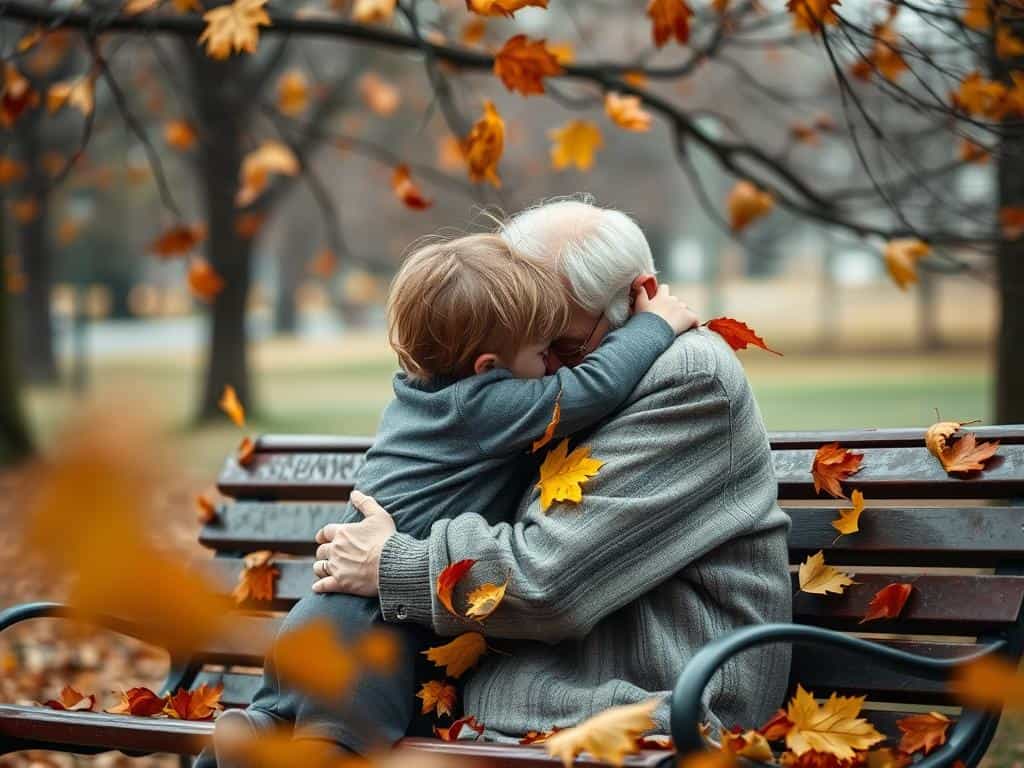
One of the most important things I’ve learned is that maintaining a kind approach, even in a hostile world, is a skill worth cultivating. It’s not always easy, but it’s a commitment that can transform how we navigate tough events. For instance, during a particularly stressful period in my life, I made it a point to perform one small act of kindness each day. Whether it was writing a note of encouragement or simply listening to a friend, these gestures helped me stay grounded.
Overcoming Adversity with Compassion
Kindness isn’t just an admirable quality—it’s a necessary tool for resilience. Research shows that engaging in compassionate acts can reduce stress and improve emotional well-being. This is especially true during challenging times when the world feels overwhelming.
I’ve seen firsthand how simple, yet powerful, acts of care can help people overcome setbacks. A friend of mine, for example, faced a major career setback. Instead of retreating, she channeled her energy into volunteering. This commitment to helping others not only lifted her spirits but also opened new opportunities she hadn’t considered before.
“In the midst of winter, I found there was, within me, an invincible summer.”
Kindness serves as a beacon of hope, reminding us that even in the darkest moments, there’s light. It’s a skill that helps us connect with others and find strength in community. By making kindness a priority, we can navigate life’s challenges with grace and resilience.
Kindness Matters: The Impact on Our Society
What if one small act could spark a wave of positivity across an entire community? Research and real-life stories show that even the simplest gestures can create a profound social effect. From a kind word to an act of charity, these moments matter more than we realize.
Empowering Change Through Words and Actions
Words have the power to uplift and inspire. A single encouraging word can change someone’s day—or even their life. When combined with actions, like volunteering or donating to charity, the impact multiplies. Studies show that these acts not only benefit the receiver but also the giver, creating a cycle of positivity.
Community programs highlight this connection. For example, initiatives that encourage people to share their stories or support local causes often see a ripple effect. These efforts build stronger, more compassionate societies where everyone feels valued.
Creating a Ripple Effect in Everyday Life
One act of kindness can inspire many others. This ripple effect is evident in programs where small gestures, like paying for someone’s coffee, lead to chains of generosity. These moments remind us that our actions matter and can influence others in ways we might not see.
Data from community initiatives shows that when people witness kindness, they’re more likely to “pay it forward.” This creates a social environment where compassion becomes the norm, not the exception.
Transforming Lives One Act at a Time
Kindness has the power to transform lives. Whether it’s through a thoughtful word or an act of charity, these gestures can provide hope and support during tough times. Stories from individuals who’ve experienced this firsthand highlight the lasting impact of even the smallest acts.
For instance, a simple note of encouragement or a helping hand can make someone feel seen and valued. These moments remind us that every action, no matter how small, contributes to a more compassionate world.
“No act of kindness, no matter how small, is ever wasted.”
By understanding the interconnectedness of our words, actions, and social well-being, we can create a society where kindness thrives. It starts with one small act—and the ripple effect can change the world.
How to Get Involved in Kindness Initiatives
Taking the first step toward making a difference in your community can feel overwhelming, but it’s simpler than you think. Whether it’s volunteering your time or starting a local group, there are countless ways to contribute. The foundation of these efforts lies in small, intentional actions that create lasting change.
Volunteer Opportunities in Your Community
One of the easiest ways to get involved is through local volunteer programs. Schools, places of worship, and community centers often host events where you can share your time and skills. For example, helping at a food drive or mentoring a family in need can have a profound impact.
Organizations like Kindness Matters 365 provide detailed guides on how to find these opportunities. Their platform connects individuals with events that align with their interests and schedules. By participating, you not only make a difference but also build meaningful connections.
Starting Your Own Kindness Club
If you’re passionate about creating change, consider starting a kindness club in your neighborhood or workplace. This initiative brings people together to focus on acts of compassion and service. The process is straightforward: gather a group, set goals, and plan activities that benefit your community.
One inspiring story comes from a group in Texas that started a club to support local shelters. Their efforts grew into a movement, impacting hundreds of lives. This shows how small actions can lead to significant outcomes when we work together.
“Alone we can do so little; together we can do so much.”
Getting involved in kindness initiatives is about more than just helping others—it’s about building a stronger, more connected family and community. Every effort, no matter how small, contributes to a larger foundation of care and support.
I encourage you to take the first step today. Share your story, join a local program, or start your own group. Together, we can create a world where compassion thrives and everyone feels valued.
Practical Acts of Kindness: Simple Yet Powerful Ideas
Everyday moments hold the power to create meaningful connections. Small, intentional actions can brighten someone’s day and foster a sense of community. Here are some practical ideas to inspire change in your daily life.
Everyday Gestures That Make a Difference
Start at home. A kind word or a thoughtful note can make a big impact on your family. Even small actions, like helping with chores or listening without judgment, can strengthen bonds.
In your community, consider leaving spare change at a laundromat or paying for someone’s coffee. These simple acts can bring joy to everyone involved. Research shows that such gestures reduce stress and improve emotional well-being.
Platforms like Facebook have popularized kindness challenges, inspiring millions to participate. Joining these initiatives can amplify your efforts and create a ripple effect in your place.
“No act of kindness, no matter how small, is ever wasted.”
Establishing routines can ensure that everyone contributes to a supportive environment. For example, complimenting a colleague or thanking a service provider can foster positivity. These actions remind us that change begins with simple steps.
By incorporating these ideas into your daily life, you can create a lasting impact. Start today and see how small acts can transform your home, community, and beyond.
Overcoming Challenges and Finding Balance
Finding balance while helping others can be a challenge, but it’s essential for long-term impact. I’ve learned that giving from an empty cup can lead to burnout, which is why self-care and boundaries are crucial. It’s not just about what we do for others—it’s also about how we care for ourselves along the way.
Maintaining Self-Care While Giving
Taking care of my own heart and mental health has been a game-changer. When I prioritize self-care, I’m better equipped to support others. Simple practices, like setting aside time for reflection or engaging in activities that bring joy, make a big difference.
Research shows that individuals who practice mindfulness and self-care are more resilient. This sense of balance allows me to approach challenges with clarity and compassion. It’s a reminder that self-care isn’t selfish—it’s necessary.
Setting Realistic Boundaries in Kindness Efforts
One of the hardest lessons I’ve learned is the importance of boundaries. Saying “no” doesn’t mean I care less—it means I’m protecting my ability to work effectively. Setting limits ensures that I can give my best without sacrificing my well-being.
I often ask myself this question: “Am I giving from a place of abundance or exhaustion?” This reflection helps me stay grounded and intentional. Boundaries aren’t barriers—they’re tools for sustainable impact.
“You can’t pour from an empty cup. Take care of yourself first.”
Balancing personal responsibilities with community engagement requires effort, but it’s worth it. By prioritizing self-care and setting boundaries, I’ve found a way to make a difference without losing myself in the process. It’s a journey, but one that brings support and fulfillment to both myself and those I help.
Conclusion
Every small action we take has the potential to shape a better tomorrow. Throughout this article, I’ve shared how even the simplest gestures can create ripples of positivity, transforming lives and strengthening communities. The impact of compassion is profound, both personally and socially.
I encourage you to seize every opportunity to make a difference. Whether it’s volunteering, supporting local initiatives, or simply offering a kind word, your efforts matter. Organizations play a vital role in inspiring change, but real progress happens when individuals, communities, and government work together.
Let’s commit to consistent, heartfelt action. By doing so, we can build a society where everyone feels valued and supported. Embrace the chance to create a lasting, positive impact—because every step, no matter how small, moves us closer to a better world.

