I remember the first time I saw a jacket that could track my bike ride. It wasn’t just a piece of clothing; it was a blend of style and innovation. That moment made me realize how far we’ve come in merging fashion with technology. Today, our wardrobes are no longer just about looking good—they’re about functionality, too.
From Bluetooth-enabled beanies to sensor-integrated fabrics, the textile industry is evolving rapidly. Brands like Levi’s and Google are leading the charge, transforming everyday items into high-tech tools. These innovations aren’t just futuristic—they’re practical, enhancing our lives in ways we never imagined.
This article will explore how smart clothes are redefining the world of fashion. Whether it’s socks that monitor foot health or denim jackets that track data, the possibilities are endless. Let’s dive into how these advancements are shaping the future of what we wear.
Key Takeaways
- Traditional garments are now fused with modern technology, creating innovative smart clothing.
- Brands like Levi’s and Google are at the forefront of this fashion-tech revolution.
- Examples include Bluetooth-enabled beanies and sensor-integrated fabrics.
- These innovations enhance both style and functionality.
- The textile industry is evolving to meet the demands of modern consumers.
Introduction to the Smart Clothing Landscape
The first time I tried on a jacket that could track my location, I knew fashion had entered a new era. It wasn’t just about looking good anymore; it was about blending style with functionality. This fusion of fashion and technology has transformed the way we think about what we wear.
From Bluetooth-enabled beanies to jackets with built-in sensors, the textile industry is evolving at an incredible pace. These innovations aren’t just futuristic—they’re practical, offering solutions that enhance our daily lives. For example, some tracksuits now deliver far infrared light treatments, while denim jackets can track an Uber’s location.
The Evolution of Fashion Meets Technology
Fashion has come a long way since the early days of tech-infused items. What started with simple Bluetooth accessories has now evolved into sophisticated garments embedded with sensors. These advancements are not just about adding tech to fabric; they’re about creating clothing that works seamlessly with our lifestyles.
Take health monitoring, for instance. Today, you can find sports bras that track heart rate and breathing, or socks that monitor foot health. These innovations are made possible by cutting-edge textile engineering, which blends traditional materials with modern technology.
Why I Believe in This Trend
After hands-on research, I’ve seen firsthand how these innovations can improve our lives. Whether it’s a jacket that tracks your commute or a shirt that charges your phone, the possibilities are endless. I believe this trend is here to stay because it combines practicality with style, making our lives easier and more connected.
As we move forward, the integration of sensors and fabric will only become more advanced. This isn’t just a trend—it’s a revolution in how we think about clothing. And I’m excited to see where it takes us next.
Innovative Smart Clothing Solutions
Discovering a pair of socks that could monitor my foot health opened my eyes to the potential of modern textiles. These innovations aren’t just about adding technology to fabric; they’re about creating solutions that enhance our daily lives. From tracking vital signs to improving comfort, the possibilities are endless.
Cutting-Edge Sensor Integration
One of the most exciting advancements is the integration of sensors into textiles. These tiny devices can track temperature, movement, and even heart rate in real time. For example, Siren’s Diabetic Socks use embedded sensors to monitor foot temperature at multiple points, helping detect potential health issues early.
This isn’t just about data collection; it’s about providing actionable insights. The socks alert wearers to changes in foot health, potentially preventing serious complications. This kind of innovation shows how fabric and technology can work together to improve lives.
Balancing Functionality and Style
Designers are also focusing on making these garments stylish. It’s not enough for them to be functional; they need to look good too. Brands are merging advanced sensor technologies with high-quality textiles to create items that are both practical and fashionable.
Take fitness wear, for instance. Sports bras now track heart rate and breathing, while yoga pants provide feedback on posture. These garments are designed to enhance performance without compromising on style. This balance between functionality and aesthetics is setting new standards in the industry.
As these innovations continue to evolve, I’m excited to see how they’ll shape the future of what we wear. The synergy between technology and design is creating solutions that are not only useful but also visually appealing.
List of Top Smart Clothing Items
Exploring the latest innovations in wearable tech has shown me how practical and stylish modern garments can be. From health monitoring to seamless connectivity, these items are redefining what we expect from our wardrobes. Here’s a closer look at some of the best products on the market today.
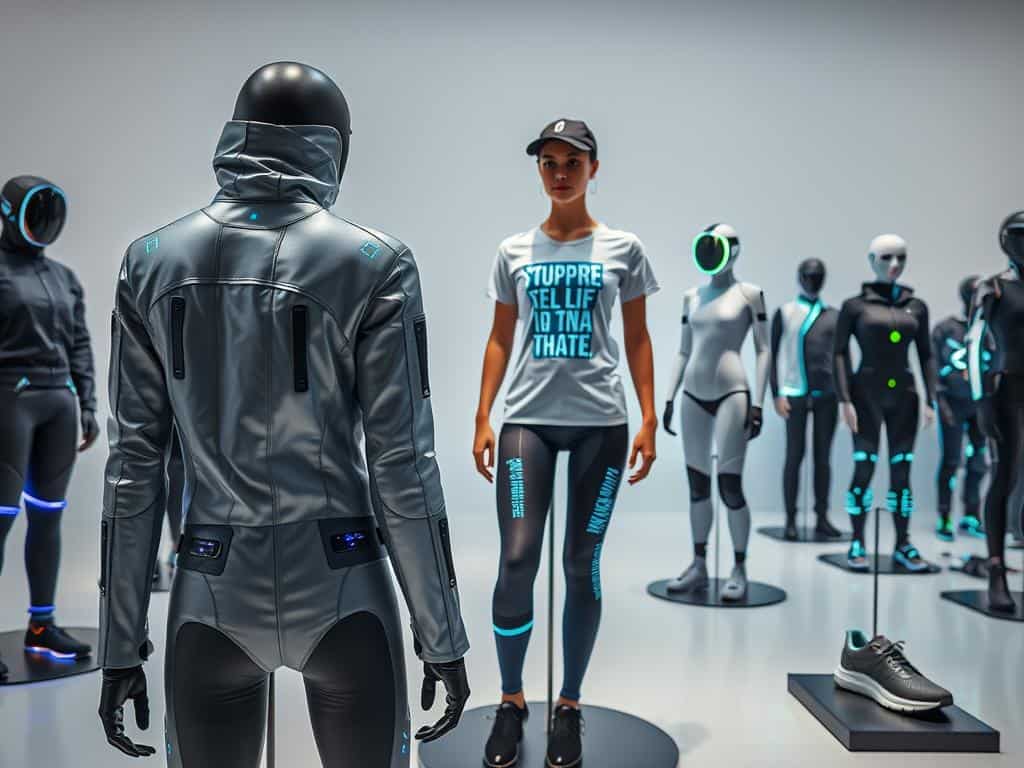
Siren Diabetic Socks and Foot Monitoring
Siren’s Diabetic Socks are a game-changer for foot health. These socks use embedded sensors to monitor temperature at six different points on the foot. This helps detect early signs of ulcerations, which can be life-saving for diabetics.
Covered by Medicare, these socks are available by prescription and require a monthly subscription. They’re not just a piece of fabric; they’re a proactive health tool. This innovation shows how technology can make a real difference in daily life.
Levi’s x Google Commuter Jacket
The Levi’s Commuter Jacket, developed with Google’s Project Jacquard, is a perfect blend of style and functionality. This jacket connects to your smartphone via Bluetooth, allowing you to screen calls or control music volume with a simple swipe on the sleeve.
Available in one sleek color, this jacket is designed for urban commuters who value convenience. It’s a prime example of how textile and technology can work together to enhance everyday experiences.
Sensoria Fitness Socks & Nadi X Yoga Pants
Sensoria Fitness Socks are another standout product. These socks use advanced sensors to capture data on your gait, providing insights into your walking or running form. The accompanying app tracks steps, speed, and distance, making it a valuable tool for fitness enthusiasts.
Nadi X Yoga Pants take a different approach. They use haptic feedback to guide you through yoga poses in real time. This wearable is perfect for those looking to refine their practice with instant coaching. Both products highlight how fabric and technology can work together to improve performance and comfort.
How Smart Clothing Impacts Health and Lifestyle
Wearing a shirt that tracks my heart rate during workouts has completely changed my perspective on daily wear. These garments are no longer just about style—they’re about improving our health and enhancing our life. From monitoring vital signs to boosting daily performance, the possibilities are endless.
Health Monitoring and Early Detection
One of the most significant benefits of these garments is their ability to monitor health metrics in real time. For example, some shirts track your heart rate and breathing patterns, providing insights into your physical condition. This data can help detect potential issues early, such as irregular heartbeats or respiratory problems.
Another example is socks that monitor foot temperature, which can alert wearers to early signs of diabetic ulcers. These innovations are not just about convenience—they’re about proactive health management. By catching problems early, they can prevent serious complications and improve long-term well-being.
Enhancing Daily Comfort and Performance
Beyond health, these garments also focus on improving daily comfort and performance. For instance, some yoga pants provide real-time feedback on posture, helping users refine their practice. Others include built-in sensors that track movement and activity levels, offering actionable insights for fitness enthusiasts.
What’s impressive is how these products balance functionality with style. Brands are designing garments that look good while incorporating advanced technology. This seamless blend ensures that users don’t have to sacrifice aesthetics for performance.
As these innovations continue to evolve, I believe they’ll play an even bigger role in our daily lives. From monitoring health to enhancing comfort, they’re transforming the way we think about what we wear.
Integrating Sensors and Textile Innovations
Seeing a scarf that could monitor my breathing patterns made me realize how far textiles have come. The fusion of fabric and electronics is no longer a distant dream—it’s a reality shaping the future of what we wear. From conductive threads to flexible circuits, the industry is pushing boundaries to create garments that are both functional and stylish.
Advancements in Smart Textile Research
Breakthroughs in textile research are driving the next generation of garments. Scientists are developing conductive materials that seamlessly integrate sensors into fabrics. For example, researchers at MIT have created ultra-thin ECG sensors woven into shirts, allowing for continuous heart monitoring without discomfort.
These innovations aren’t just about adding tech to fabric; they’re about enhancing durability and comfort. Hybrid yarns, which are conductive yet elastic, are becoming more common. This ensures that garments remain wearable even after repeated washing and use.
Future Trends in Embedded Technology
The future of textiles lies in thinner, more flexible sensors and enhanced connectivity. Imagine a jacket with built-in electronics that can charge your phone or a pair of pants that adjusts to your body temperature. These advancements are already in development, thanks to collaborations between designers, engineers, and manufacturers.
One exciting trend is the use of self-powered devices that harvest energy from body heat. This eliminates the need for bulky batteries, making garments lighter and more practical. As these technologies evolve, they’ll redefine how we interact with our clothing, blending functionality with everyday comfort.
Real-World Applications and Industry Collaborations
The moment I tried on a jacket that could control my music with a swipe, I realized how far fashion had evolved. This wasn’t just about style—it was about blending electronics with everyday wear. Today, brands are collaborating to create garments that redefine functionality and design.
Successful Partnerships Shaping the Future
One of the most notable collaborations is between Levi’s and Google. Their jacket integrates touch-sensitive fabric, allowing wearers to control their phone with simple gestures. This partnership showcases how traditional clothes can be transformed into high-tech devices.
Another example is the work of Siren and their diabetic socks. These wearables use embedded sensors to monitor foot health, providing early warnings for potential issues. Such innovations highlight the power of combining material science with advanced electronics.
Case Studies from Innovative Brands
Nadi X Yoga Pants are a game-changer for fitness enthusiasts. These pants use haptic feedback to guide users through yoga poses, improving posture and performance. The app syncs with the device, offering real-time coaching that enhances the user’s practice.
In the health sector, smart undershirts have made a significant impact. One case study showed a 10% decrease in resting heart rate after six months of use. This demonstrates how wearables can improve life quality by providing actionable health insights.
These examples prove that the industry is moving toward a future where clothes are not just worn but actively work to enhance our daily lives. From fitness to health monitoring, the possibilities are endless.
Conclusion
The blend of fabric and technology has reshaped how we think about everyday wear. From sensor-integrated socks to jackets that connect to your phone, these innovations are transforming both style and functionality.
Examples like Nadi X Yoga Pants and Levi’s Commuter Jacket show how textile advancements are enhancing our lives. These garments not only look good but also provide real-time datum to improve health and performance.
Cross-industry collaboration is key to unlocking the full potential of these innovations. As research continues, we can expect even more seamless integration of technology into our wardrobes.
This trend is more than a passing phase—it’s a revolution in how we interact with what we wear. Embrace it, and discover how these garments can elevate your daily life.

