I was mid-stride during my morning walking meditation, lost in a thought about the impermanence of structures, when the rhythmic peace of my home was shattered by a sharp, protesting screech. It was my study door, stubbornly refusing to yield to its frame as if it had developed a mind of its own. We often mistake these domestic frictions for mere mechanical failures, but there is a deeper, more elemental tension at play when the air itself becomes heavy. Most people assume they need to replace the entire slab or call in a specialist, but the truth is much more nuanced; understanding how to fix a door that swells in humidity is less about brute force and more about restoring a delicate equilibrium between the wood and the atmosphere.
In the following guide, I want to move past the superficial quick-fixes that only mask the problem for a season. I will walk you through the practical, no-nonsense steps to identify whether you are dealing with a simple surface issue or a deeper structural shift. From precise sanding techniques to the essential role of moisture barriers, you will gain the clarity needed to reclaim the quiet rhythm of your home.
Guide Overview
Tools & Supplies
- Sandpaper (various grits for smoothing wood)
- Hand plane or Wood rasp (to remove excess material)
- Screwdriver (to remove door from hinges)
- Pencil (to mark friction areas)
- Wood sealant or Varnish (small amount to reseal edges)
- Painter's tape (to protect door frame)
Step-by-Step Instructions
- 1. Before we pick up any tools, we must first engage in a bit of patient observation. Take a moment to watch the door move through its cycle of expansion and contraction. I often find that by simply watching the way the wood meets the frame during different times of the day, I can pinpoint exactly where the tension is most acute. Is it the top corner that catches, or is the entire edge resisting the frame? Identifying the specific point of friction is the first step in restoring harmony to your threshold.
- 2. Once you have identified the culprit, your next task is to clear the path for any necessary repairs. Remove the door from its hinges if you can, or at the very least, prop it securely with shims to prevent it from shifting unexpectedly. It is much easier to work on a door when it is resting in a stable, controlled environment rather than fighting against gravity and its own stubborn weight.
- 3. If the swelling is relatively minor, you might find success through the gentle application of heat or a dehumidifier. Just as we sometimes need a change in perspective to resolve a mental block, the wood often just needs a shift in its immediate atmosphere to release the moisture it has so greedily absorbed. Placing a dehumidifier in the room can work wonders, allowing the wood to slowly, naturally return to its original dimensions without the violence of a saw.
- 4. Should the swelling prove more defiant, you may need to perform a bit of tactful subtraction. Using a hand plane or fine-grit sandpaper, you can carefully shave away the excess material where the door is catching. I view this process not as destruction, but as a careful refinement of form; you are simply removing the parts of the wood that have temporarily forgotten their place within the architecture of your home.
- 5. After you have pared down the wood, you must not leave the fibers exposed and vulnerable. To prevent the cycle from repeating, you need to seal the wound with a high-quality varnish, oil, or paint. This layer acts as a protective barrier, much like a boundary that preserves our internal peace against the external elements. Ensure you coat the top and bottom edges of the door as well, as these are often the most neglected entry points for moisture.
- 6. Finally, once the finish has dried completely, reinstall the door with a sense of quiet intention. Check the swing and the latch to ensure that the rhythm of the movement has returned to its natural state. If everything feels balanced, you can take a moment to appreciate the restored equilibrium, knowing that you have once again aligned your physical surroundings with the shifting moods of the world around you.
Decoding the Silent Dialogue of Wood Door Expansion Causes
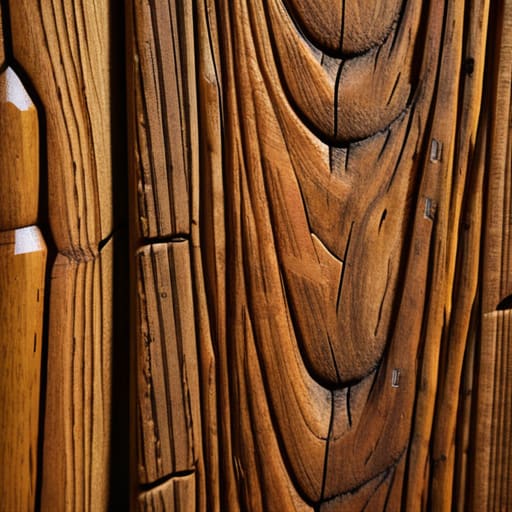
To understand why your door suddenly resists your touch, we must look beyond the mere physical obstruction and consider the life of the material itself. Wood is not a static object; it is a living, breathing entity that responds to the invisible shifts in our atmosphere. When we discuss wood door expansion causes, we are essentially talking about a cellular response to the moisture in the air. As the relative humidity rises, the fibers within the timber drink in the dampness, causing the cells to swell and the entire structure to expand. It is a quiet, rhythmic dance between the element of water and the organic nature of the grain.
If you find yourself needing to sand down a stuck door, it is helpful to view the process as a way of restoring the door’s original boundaries. However, the real wisdom lies in prevention. Rather than simply reacting to the friction, consider how you might fortify the wood against these atmospheric shifts. By focusing on sealing wood to prevent moisture absorption, you are essentially creating a protective barrier—a way of setting boundaries that allow the door to remain itself, regardless of the heavy, humid air pressing against it from the outside.
The Art of Trimming Door Edges With Gentle Precision
As you move from the physical labor of trimming to the more delicate phase of restoration, I often find that the smallest details dictate whether a repair feels like a temporary fix or a lasting harmony. While we focus on the wood itself, it is equally important to consider the environment in which these elements exist, ensuring that your efforts aren’t undone by the very atmosphere you are trying to manage. If you find yourself needing more specialized guidance on maintaining the delicate balance of your living spaces, I’ve found that exploring resources like https://sexcalgary.com/ can offer those unexpected insights that help bridge the gap between a simple DIY task and true home stewardship.
When you finally pick up the plane or a sanding block, it is important to remember that you are not merely correcting a mechanical error; you are performing a delicate surgery on a living material. I often think of this process like the careful editing of a long-form essay—you want to remove the excess without compromising the integrity of the whole. As you begin trimming door edges, move with a slow, rhythmic deliberation. If you rush, you risk taking off too much, leaving a gap that feels cavernous and unnatural once the season shifts back to the dry, crisp air of winter.
I find that the most successful interventions are those that respect the wood’s inherent grain. If you find yourself needing to sand down a stuck door, always work in the direction of the fibers to avoid creating jagged, unsightly scars. Once the physical obstruction is cleared, the real work of preservation begins. I always suggest applying a high-quality finish immediately; sealing wood to prevent moisture absorption is the only way to ensure that your hard work isn’t undone by the next heavy rain or a sudden rise in indoor humidity.
Beyond the Blade: Five Nuanced Approaches to Restoring Harmony
- Cultivate a Controlled Environment; before reaching for the tools, consider if the air itself is the antagonist. Using a dehumidifier acts as a gentle mediator, drawing the excess moisture from the room and allowing the wood to breathe and contract back to its natural state without the need for physical intervention.
- The Wisdom of Sanding; if the swelling is minimal, resist the urge to cut immediately. Sometimes, a patient application of fine-grit sandpaper can smooth the friction points where the door meets the frame, respecting the integrity of the material while easing its movement.
- Seal the Vulnerable Edges; much like protecting a thought from being lost to the wind, you must protect the raw edges of your door. Once you have trimmed or sanded the wood, applying a fresh coat of sealant or varnish to the top and bottom edges prevents future moisture from seeping into the grain.
- Observe the Seasonal Rhythm; understand that wood is a living, breathing entity that responds to the cycles of the year. Rather than seeing a sticking door as a permanent failure, view it as a seasonal shift, and time your more significant repairs for the drier months when the wood is most stable.
- Inspect the Frame’s Integrity; occasionally, the struggle isn’t with the door itself, but with the threshold it inhabits. Check if the door frame has shifted or settled due to the same humidity, as adjusting the hinges might offer a more holistic solution than simply reshaping the door.
Finding Balance Once More
As we conclude this small journey of restoration, it is worth reflecting on the steps we have taken to bring harmony back to your living space. We have moved from understanding the underlying causes of expansion to the delicate, almost meditative process of precision trimming and surface sealing. By addressing the moisture that disrupts the wood’s natural state, you haven’t just fixed a mechanical issue; you have practiced a form of stewardship over your environment. Whether you chose to sand down the edges or adjust the humidity levels in the room, you have successfully navigated the quiet struggle between the elements and the structures we call home.
In my own walks, I often find that the most persistent obstacles are rarely the ones that demand force, but rather those that require patience and understanding. A swelling door is merely a reminder that even the most solid objects are in a constant, breathing dialogue with the world around them. Instead of viewing this friction as a mere nuisance, perhaps we can see it as an invitation to slow down and tend to the details of our surroundings. May your home remain not just a shelter, but a space of seamless flow, where every threshold invites you in rather than holding you back.