Imagine hearing a loved one’s voice long after they’re gone or having a virtual assistant that sounds just like you. This isn’t science fiction—it’s the reality of voice cloning technology. Powered by AI and machine learning, this innovation is reshaping how we interact with the world.
From recreating voices for films to enhancing customer service, the applications are vast. For instance, businesses are using it to create personalized experiences, while assistive tools are helping those with speech impairments. Even gaming has embraced this technology to bring characters to life in new ways.
But with great power comes great responsibility. While the benefits are undeniable, ethical concerns like misuse and privacy issues cannot be ignored. As we explore this groundbreaking technology, it’s crucial to balance innovation with caution.
Key Takeaways
- Voice cloning uses AI and machine learning to replicate human voices.
- It has applications in media, customer service, and assistive tools.
- Ethical challenges, such as misuse, must be addressed.
- This technology is transforming industries and personal experiences.
- Balancing innovation with responsibility is essential.
Setting the Stage: The Rise of Voice Cloning
The ability to replicate human speech with precision is no longer a distant dream. In recent years, audio replication has emerged as a groundbreaking innovation, transforming how we interact with technology. What started as a niche concept has now become increasingly accessible, thanks to rapid advancements in machine learning and audio processing.
Innovative tools have played a crucial role in this evolution. These tools analyze and synthesize speech patterns, creating outputs that are nearly indistinguishable from human voices. This technology is not just a novelty—it’s redefining service delivery, especially in digital customer interactions. Businesses are leveraging it to create personalized experiences, while industries like entertainment and education are exploring its potential.
Looking ahead, the applications of this technology are vast. From enhancing virtual assistants to preserving historical voices, it’s setting the stage for a future where human-like audio is seamlessly integrated into our daily lives. As we embrace these advancements, it’s essential to consider the ethical implications and ensure responsible use.
Understanding Voice Cloning Technology
Creating a digital copy of someone’s voice involves a complex yet intriguing process. It starts with analyzing extensive recordings to capture unique vocal patterns. These recordings are then used to train advanced AI models, which learn to replicate the nuances of human speech.
Each person’s voice has distinct qualities, such as pitch, tone, and rhythm. The process of replicating these features requires a robust dataset. The more diverse the audio clips, the more accurate the final output becomes.
Machine learning algorithms play a crucial role in this tech. They break down the audio data into smaller components, such as phonemes and intonations. These components are then reassembled to create a synthetic voice that sounds remarkably human.
From raw audio to a lifelike synthetic voice, the journey is both technical and artistic. It’s a testament to how far we’ve come in understanding and replicating the intricacies of human speech.
Applications of Voice Cloning in Various Industries
From films to classrooms, synthetic speech is making waves across industries. This approach is transforming how we interact with media, businesses, and even education. Let’s explore how this system is reshaping the world around us.
Media and Entertainment
In the media and entertainment industry, replicated speech is revolutionizing the work of filmmakers and content creators. For instance, it’s used to recreate actors’ voices for dubbing or even bring back historical figures. Projects like The Mandalorian have showcased how lifelike synthetic voices can be.
Customer Service and Virtual Assistants
Businesses are leveraging this technology to craft personalized customer experiences. Virtual assistants now sound more human, enhancing engagement and satisfaction. This approach ensures smoother interactions, making it a game-changer for service delivery.
Assistive Technology and Education
In assistive systems, replicated speech helps individuals who’ve lost their ability to speak. It preserves their vocal identity, offering a lifeline for communication. Additionally, educational partnerships are using this technology to teach digital literacy, preparing students for the future.
Voice Cloning Tech: How It Empowers Innovation
Innovation in audio technology is unlocking new possibilities for creators and businesses alike. By leveraging advanced models, professionals can now produce dynamic content that resonates with audiences on a deeper level. This technology is not just a tool—it’s a catalyst for creativity.
One of the most exciting aspects is how it enables the creation of unique voice clones. These replicas allow storytellers to craft narratives with authenticity and emotional depth. Whether it’s for podcasts, audiobooks, or interactive media, the results are transformative.
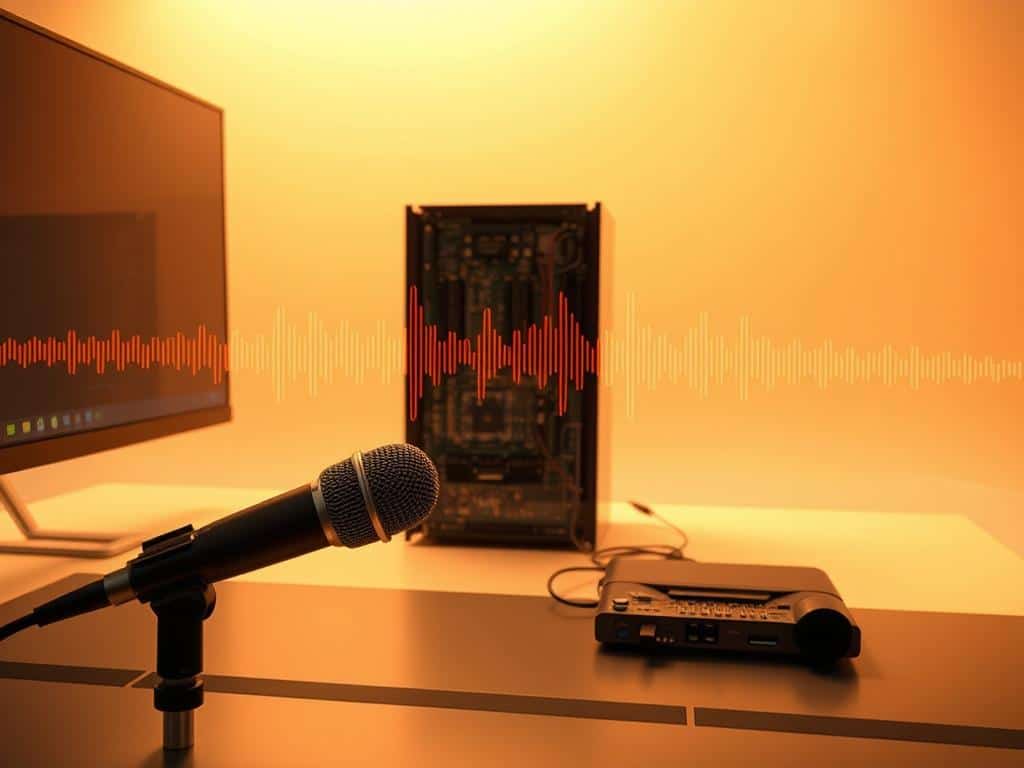
In media production, this innovation is reshaping the landscape. Filmmakers and content creators are using models to generate lifelike voices for characters, enhancing immersion. Interactive storytelling has also benefited, offering personalized experiences that captivate users.
Beyond entertainment, this technology is empowering creative professionals. It allows them to experiment with new formats and push the boundaries of traditional content delivery. The ability to replicate voices opens doors to endless possibilities.
As we look to the future, it’s clear that this innovation will continue to redefine how content is produced and consumed. By embracing these tools, we’re not just keeping up with trends—we’re shaping the future of storytelling.
Legal and Ethical Considerations in Voice Cloning
The rise of synthetic speech has sparked important conversations about ethics and legality. As this technology becomes more accessible, it’s crucial to address the challenges it presents. From consent to privacy, the legal landscape is complex and evolving.
Consent, Privacy, and Regulatory Standards
One of the most pressing issues is obtaining explicit consent from individuals before replicating their speech. Laws like California’s Right of Publicity and the EU’s GDPR emphasize the importance of permission. Without it, the use of synthetic voice can lead to legal disputes and privacy violations.
Privacy concerns are equally significant. If voice data is leaked or stolen, it could compromise sensitive accounts or systems. Regulations like the California Consumer Privacy Act (CCPA) aim to protect personal data, but gaps remain. It’s essential for software developers to prioritize secure data handling.
Ethical Guidelines and Best Practices
Ethical risks, such as identity theft and misinformation, cannot be ignored. The misuse of synthetic speech for deepfakes or scams is a growing threat. To mitigate these risks, transparency and ethical guidelines must be at the forefront of every project.
Best practices include obtaining clear consent, ensuring data security, and educating users about the potential risks. By adopting responsible software practices, we can harness the benefits of this technology while minimizing harm. Balancing innovation with ethical responsibility is key to its sustainable use.
Cost Factors and Pricing Models for Voice Cloning
Understanding the financial aspects of replicating speech is essential for businesses and creators. The cost of implementing this technology depends on several factors, including the complexity of the algorithm, project scope, and licensing fees. These elements influence the final price, making it crucial to evaluate them carefully.
One of the primary cost drivers is the algorithm used to create the synthetic voice. Advanced algorithms require more data and computational power, which can increase expenses. Additionally, the scope of the project—whether it’s for a virtual assistant or a large-scale application—also plays a significant role in determining the budget.
Pricing models vary widely, offering flexibility for different needs. Subscription services are popular for ongoing projects, while one-time fees are ideal for smaller applications. Businesses often adapt these models to fit their specific requirements, ensuring they get the best value for their investment.
For example, a virtual assistant project might use a subscription model to ensure continuous updates and support. On the other hand, a one-time fee could be more suitable for a limited-use application. Balancing high-quality results with cost-effectiveness is key to successful implementation.
Ultimately, the cost of replicating speech reflects the quality and complexity of the technology used. By understanding these factors, businesses and creators can make informed decisions that align with their goals and budgets.
Technological Requirements for Effective Voice Cloning
To achieve lifelike audio replication, the right tools and systems are essential. Whether you’re a business or a creator, understanding the technical requirements ensures quality results and minimizes risk. Let’s break down the hardware and software needed to make this innovation work seamlessly.
Hardware Essentials
High-performance computing is the backbone of any synthetic audio project. Powerful CPUs and GPUs are crucial for processing large datasets quickly. Without them, the quality of the final output can suffer.
Storage capacity is another key factor. Audio files, especially high-resolution ones, take up significant space. Ample storage ensures smooth workflow and prevents data loss.
Recording equipment plays a vital role too. A high-quality microphone captures pristine voice samples, which are essential for accurate replication. Investing in professional-grade tools can make a noticeable difference.
Software Tools and Platforms
Specialized software is the heart of synthetic audio creation. Platforms with user-friendly interfaces make the process accessible, even for beginners. For example, tools like WaveNet and Tacotron are widely used for their advanced capabilities.
These platforms analyze and synthesize speech patterns, producing outputs that sound remarkably human. They also offer features like real-time editing and customization, which enhance the final quality.
For customers, choosing the right software is critical. It’s important to consider factors like ease of use, compatibility, and support. Many platforms also comply with data protection laws, ensuring secure handling of sensitive information.
Practical setups can significantly reduce risk and improve results. For instance, using a dedicated workstation with optimized hardware and software ensures smoother operations. Preparing your system in advance can save time and resources.
“The right combination of hardware and software is the foundation of any successful synthetic audio project.”
By understanding these requirements, businesses and creators can implement robust solutions effectively. Balancing innovation with technical preparedness is key to achieving the best outcomes.
Real-World Examples and Practical Implementation
The real-world impact of advanced audio replication is reshaping industries and personal experiences. From films to virtual assistants, this technology is proving its versatility. Let’s explore how it’s being applied in two key areas: media and interactive systems.
Case Study: Film, TV, and Digital Narration
In the entertainment industry, artificial intelligence is revolutionizing how characters are brought to life. For example, filmmakers have used this technology to recreate the voices of actors who are no longer with us. This allows beloved characters to continue their stories, preserving their legacy for future generations.
One notable example is the use of synthetic speech in dubbing and narration. Over the years, advancements have made it possible to replicate voices with incredible accuracy. This not only saves time but also ensures consistency across projects. The possibility of scaling these applications is endless, from animated films to historical documentaries.
Case Study: Virtual Assistants and Interactive Media
Virtual assistants are another area where this technology shines. By using artificial intelligence, developers can create personalized voice responses that enhance user engagement. This makes interactions feel more natural and human-like.
For instance, interactive media platforms are leveraging synthetic voices to provide tailored experiences. Over the years, these systems have evolved to handle complex queries and deliver accurate responses. The possibility of integrating this technology into everyday devices is transforming how we interact with our surroundings.
“The ability to replicate voices with precision is not just a technical achievement—it’s a gateway to innovation.”
These case studies highlight the practical implementation of advanced audio replication. From preserving characters in films to enhancing virtual assistants, the applications are vast and impactful. As this technology continues to evolve, its potential to reshape industries and personal experiences is limitless.
Conclusion
The future of communication and creativity is being reshaped by innovative tools that replicate human speech. This ability has wide-ranging applications, from personalized virtual assistants to preserving historical voices. It’s clear that this technology holds immense potential to transform industries and enhance someone’s life.
However, understanding the ethical considerations is crucial. Misuse and privacy concerns must be addressed to ensure responsible implementation. Working with a dedicated team and exploring different options can empower creators and businesses to harness this innovation effectively.
As we move forward, staying informed about advancements is essential. This technology has the ability to enhance innovation, but it must be used thoughtfully. Let’s embrace its potential while prioritizing ethical practices to shape a better future.

