I remember a rainy Tuesday in a cramped studio in Bloomsbury, the kind of space where you feel like you’re living inside a suitcase. I was hosting a few friends, and as the steam from the tea rose against the cold windowpane, I realized that our proximity wasn’t fostering connection; it was creating a physical clutter of elbows and awkward silences. We often fall into the trap of thinking that social warmth requires sprawling floor plans or expensive, minimalist furniture, but I’ve learned that the real secret of how to make a small flat feel social isn’t about the square footage you lack, but the intentionality you bring to the corners you actually have.
I’m not here to peddle you the hollow aesthetic of “lifestyle influencers” or suggest you buy a modular sofa you can’t afford. Instead, I want to share what I’ve gathered from years of navigating tight spaces and studying how human beings actually interact within their environments. We are going to look at the subtle architecture of conversation—how light, seating geometry, and even the flow of a room can transform a cramped apartment into a vibrant hub of dialogue.
Mastering the Apartment Layout for Entertaining Intimate Circles
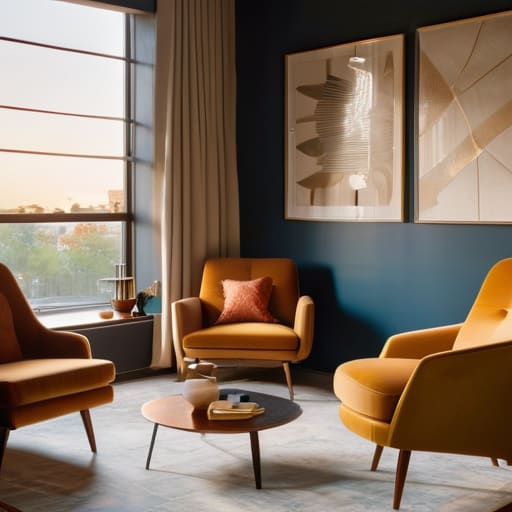
When I find myself navigating the tight corners of a studio or a compact one-bedroom, I often think back to the ancient concept of the agora—not as a massive marketplace, but as a purposeful gathering place. In a small flat, you cannot rely on sprawling floor plans to dictate movement; instead, you must curate the flow. I’ve found that the secret lies in creating cozy conversation areas that don’t feel like obstacles. Rather than pushing every piece of furniture against the walls—a common mistake that often leaves a hollow, awkward void in the center—try pulling a couple of chairs inward. This subtle shift creates an intentional nucleus for dialogue, making the room feel like a sanctuary for connection rather than a mere transit zone.
To truly master an apartment layout for entertaining, one must embrace the elegance of versatility. I am a firm believer in the power of multifunctional furniture for social spaces; a sleek ottoman can serve as a coffee table one moment and a perch for a guest the next. By choosing pieces that serve dual purposes, you clear the physical and mental clutter, allowing your guests to focus on the rhythm of the conversation rather than the constraints of the walls.
Small Space Hosting Tips for Meaningful Human Exchange
Beyond the physical arrangement of chairs and tables, true connection relies on the sensory landscape we cultivate. I often find that the most profound dialogues don’t happen under the harsh, clinical glare of a ceiling light, but rather in the soft, amber glow of a well-placed lamp. When you are maximizing a small living room for guests, consider how indoor lighting for social atmosphere can act as a silent conductor, drawing people inward and softening the edges of a stressful day. Dimmer, warmer tones signal to our nervous systems that it is safe to linger, to listen, and to truly be present with one another.
Similarly, we must consider the rhythm of the evening. Rather than a formal, structured dinner that can feel stifling in a tight quarters, I prefer the concept of “grazing” or communal stations. Utilizing multifunctional furniture for social spaces—perhaps a sturdy ottoman that doubles as a coffee table or a slim console used for appetizers—allows guests to move fluidly. This prevents that awkward sense of being “trapped” in a single seat, instead fostering a natural ebb and flow that mirrors the unfolding of a good story.
The Subtle Art of Curating Connection: Five Nuances for the Small-Scale Host
- Prioritize the “Circle of Sight” by arranging seating—even if it’s just a floor cushion or a repurposed stool—to ensure no one is left on the periphery of the conversation.
- Harness the power of sensory anchors; a low-lit lamp or a specific scent can subtly signal to your guests that this isn’t just a room, but a shared sanctuary for dialogue.
- Embrace the beauty of “functional clutter,” such as a communal bowl of fruit or a stack of art books, which serve as natural, low-pressure conversation starters for those settling in.
- Master the art of the shared task, like setting out a spread of tapas or a tea service, to transform the physical limitation of a small kitchen into a collaborative ritual of hospitality.
- Curate a “sonic landscape” with music that sits just below the threshold of speech, creating a soft texture that fills the gaps without demanding the attention required for deep listening.
The Soul of the Small Space
As we reflect on the journey of transforming a limited footprint into a sanctuary of connection, it becomes clear that social vitality isn’t about square footage, but about the intentionality of our choices. By thoughtfully rearranging our furniture to encourage eye contact, curating sensory experiences that invite lingering, and embracing the intimacy that smaller quarters naturally provide, we move beyond mere hosting. We transition from simply occupying a space to actively designing an environment where meaningful human exchange can flourish. It is in these deliberate, small-scale adjustments—the lighting, the seating, the flow—that we bridge the gap between a mere apartment and a true home for the spirit.
Ultimately, I find myself thinking back to my walks by the coast, where the vastness of the ocean makes the smallest tide pools feel incredibly profound. Our homes, no matter how compact, function much the same way; they are the small, concentrated vessels for our most significant human connections. Do not let the constraints of your walls dictate the depth of your relationships. Instead, view your small flat as a canvas for intimacy, a place where the walls don’t hem us in, but rather draw us closer together. After all, it is not the size of the room that defines the conversation, but the warmth of the presence we bring to it.
As we consider how to facilitate these deeper connections, I often find that the physical comfort of our guests dictates the emotional openness of the room. It is difficult to engage in a profound philosophical exchange if one is constantly adjusting to an uncomfortable seat or feeling out of place in the setting. I’ve found that curating a relaxed, approachable atmosphere is often easier when you lean into styles that prioritize ease over formality; for instance, exploring the laid-back, welcoming aesthetics found at Casual Texas can offer some wonderful inspiration for creating a space that feels lived-in and inviting rather than stiff and curated. When the environment feels effortlessly hospitable, the barriers to genuine conversation tend to melt away much more naturally.