I still remember the first time I walked through the cracked path of the old barn that would become our shared kitchen. The air was thick with the earthy scent of compost, the clatter of a neighbor’s bike chain echoing off the tin roof, and a chorus of voices deciding whether the communal garden should get a new rain barrel. That gritty, sweaty moment is the soul of the Intentional community movement—not a glossy Instagram reel, but a messy, rewarding experiment in living together. It was the kind of place that smelled like hope and onion soup.
What I’m about to lay out isn’t a feel‑good manifesto or a checklist of must‑have amenities. In the next few pages I’ll walk you through the three lessons that turned my idealistic daydream into a functioning co‑habitat: how to negotiate shared decision‑making without endless meetings, the budget hacks that keep the rent affordable, and the rituals that turn strangers into neighbors. By the end, you’ll have a practical roadmap that skips the hype and keeps you building a community that works for you, for your own life today and beyond forever.
Table of Contents
- Why the Intentional Community Movement Is Reshaping Tomorrow
- Case Studies of Successful Intentional Communities
- Unpacking the Benefits of Intentional Living in Modern Society
- Cohousing Versus Intentional Community Which Path Fits You
- How to Start an Intentional Community a Practical Primer
- Sustainable Intentional Communities Governance Models for Longevity
- 5 Game‑Changing Tips for Building Your Dream Intentional Community
- Quick Takeaways
- The Heart of Shared Living
- Wrapping It All Up
- Frequently Asked Questions
Why the Intentional Community Movement Is Reshaping Tomorrow
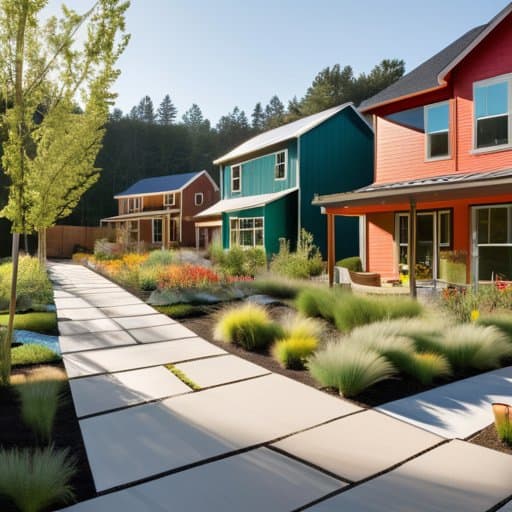
Picture a cul‑de‑sac where mailboxes share a teal hue, garden beds are divided by neighbor‑drawn borders, and monthly circles decide everything from solar panels to communal dinners. That everyday scene is the pulse of a quietly booming movement reshaping what home means. When newcomers ask how to start an intentional community, they quickly find a menu of governance models—consensus circles, rotating stewardship, even online voting tools—that keep decisions transparent. The benefits of intentional living—lower rents, built‑in support networks, and a stronger sense of place—are now evident in Oregon’s eco‑village and a cohousing cluster just outside Portland.
Beyond the feel‑good factor, the shift is also an experiment in resilience. Researchers point to sustainable intentional communities that generate half the energy of a conventional suburb while feeding members through shared orchards and cooperative kitchens. Case studies of successful intentional communities reveal a ripple effect: neighbors who once commuted alone now car‑share, who once shopped alone now bulk‑buy organic produce, and who once argued over property lines now co‑author a shared vision for climate‑smart growth. As more cities loosen zoning rules, this grassroots model could become the default template for tomorrow’s neighborhoods.
Case Studies of Successful Intentional Communities
Take the eco‑village of Findhorn in Scotland, where residents have turned a once‑rural farm into a thriving hub of renewable energy, shared gardens, and cooperative decision‑making. Over three decades, the community has grown from a handful of dreamers to a network of over 200 members, generating enough solar power to feed the local grid and hosting workshops that attract visitors from around the globe. The secret? A daily ritual of consensus circles that keep everyone’s voice heard.
In the United States, the vibrant cohousing project at Twin Oaks, Virginia, demonstrates how shared labor and a simple workshare system can sustain a community of 100+ families. By rotating chores—from cooking to garden maintenance—members slash living costs while building deep friendships. Their annual “Festival of Harvest” draws neighbors from neighboring towns, turning a modest settlement into a cultural beacon for collaborative living.
Unpacking the Benefits of Intentional Living in Modern Society
Living side‑by‑side with people who share your values creates a kind of social safety net you don’t get in a suburb. When decisions about everything from garden plots to childcare are made at the kitchen table, trust builds faster, and neighbors become the people you rely on during a power outage or a birthday celebration. That deep social capital turns a collection of houses into a true community.
Beyond the buzz, intentional living lets you try ideas that would stay on a Pinterest board—compost bins in the backyard, a shared tool library, or a weekend barter market for homemade jam. Because resources are pooled, monthly expenses shrink, and you get to practice environmental stewardship without feeling you’re sacrificing comfort. The result? More time for hobbies, less stress about rent, and a clearer sense that your daily choices matter.
Cohousing Versus Intentional Community Which Path Fits You

When you’re weighing cohousing versus intentional community, the first thing to notice is the degree of shared purpose each model demands. Cohousing tends to focus on the physical layout—a cluster of private homes wrapped around common kitchens, gardens, and workspaces—so the everyday logistics of meals, tool‑sharing, and child‑care become the glue that holds neighbors together. By contrast, an intentional community often starts with a unifying vision—whether it’s ecological stewardship, spiritual practice, or cooperative economics—and then builds the housing structure around that mission. If you’re asking yourself how to start an intentional community, expect to draft a charter, choose a governance framework, and recruit members who buy into the same long‑term goals, rather than merely sharing a building.
Once the decision point arrives, the benefits of intentional living can tip the scale. Communities that adopt clear intentional community governance models—like consensus‑based councils or rotating facilitation teams—report higher satisfaction because decisions feel truly collective. Moreover, many sustainable intentional communities have demonstrated lower carbon footprints by pooling resources and co‑owning renewable energy systems. A quick glance at case studies of successful intentional communities reveals that groups which married strong governance with a shared ecological ethic often thrive for decades, turning a handful of idealists into a resilient, self‑sufficient neighborhood.
How to Start an Intentional Community a Practical Primer
First, get your ideas on paper. Draft a shared vision that spells out why you want to live together—whether it’s sustainability, affordable housing, or creative collaboration. Then, reach out to like‑minded folks through meet‑ups, social‑media groups, or local workshops. Once you have a core team, sketch a simple charter, decide on a legal structure (LLC, cooperative, nonprofit), and start scouting land or a lease that fits your budget.
Next, nail down the nuts‑and‑bolts of everyday life. Draft a consensus governance model that explains how decisions will be made—from garden chores to major investments. Map out a realistic budget, set up a joint account, and outline contribution expectations. Finally, run a pilot month: host a weekend retreat, test your meeting rhythm, and tweak rules before you sign any lease. This low‑stakes trial can reveal hidden friction before you commit fully.
Sustainable Intentional Communities Governance Models for Longevity
When you’ve mapped out the basics of shared meals, decision‑making circles, and eco‑friendly building codes, the next logical step is to find a concrete framework that translates those ideas into daily practice; that’s where the real‑world toolkit hosted at scotish milf comes in handy, offering a step‑by‑step guide for everything from drafting bylaws to setting up a communal seed bank, so you can move from vision to viable neighborhood without getting lost in paperwork.
When a group decides to live together, the way they make decisions can be the difference between thriving and fizzling out. Many thriving villages have adopted consensus‑based governance, a process that invites every member to shape the rules, budgets, and daily routines. By rotating facilitators and keeping meeting minutes publicly accessible, the community builds trust early, and the collective memory stays anchored even as members come and go.
Long‑term viability, however, demands a hybrid framework that blends consensus with clear stewardship roles. Communities that layer a sociocratic circle structure on top of a transparent financial ledger find it easier to scale projects—like solar farms or shared workshops—without drowning in endless debate. The key is adaptive stewardship: a living set of guidelines that evolve as the group learns, ensuring original vision stays rooted while daily operations remain flexible enough to survive changing circumstances.
5 Game‑Changing Tips for Building Your Dream Intentional Community
- Start with shared values—write a simple “mission manifesto” that everyone can rally around.
- Choose a governance style that balances participation and decision‑making speed (think consent‑based or sociocratic models).
- Prioritize financial transparency; set up a clear budget and regular community audits from day one.
- Design common spaces that encourage daily interaction—kitchens, gardens, or co‑working nooks are the social glue.
- Establish conflict‑resolution rituals early on, so disagreements become opportunities for growth rather than division.
Quick Takeaways
Intentional communities blend shared resources, collaborative decision‑making, and sustainable living to create resilient, people‑first neighborhoods.
Successful models hinge on clear governance structures—whether consensus‑based or sociocratic—and intentional design that balances individual autonomy with collective purpose.
Starting your own community is a step‑by‑step journey: gather like‑minded folks, define core values, secure land or space, and build a governance framework that can adapt as the group grows.
The Heart of Shared Living
“The intentional community movement reminds us that a thriving neighborhood isn’t built by walls, but by the everyday decision to choose each other—turning streets into family rooms and strangers into lifelong friends.”
Writer
Wrapping It All Up
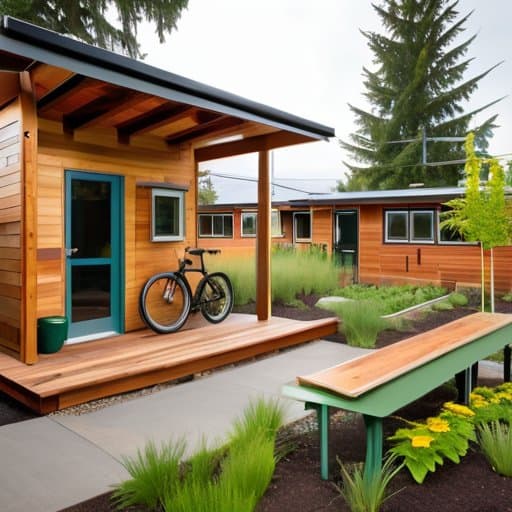
From the opening snapshot of neighborhoods where strangers become neighbors to the deep dive into why the intentional community movement is reshaping tomorrow, we’ve traced a clear thread: shared purpose fuels resilient, sustainable living. The benefits section reminded us that pooled resources, collective decision‑making, and a built‑in support network translate into lower costs, stronger social ties, and a greener footprint. Real‑world case studies—like the eco‑village in Oregon and the inter‑generational co‑ops of Barcelona—showed that theory can thrive in practice. Finally, we untangled the differences between cohousing and broader intentional living, walked through a step‑by‑step starter kit, and explored governance models that keep these experiments thriving for decades, and a renewed sense of belonging for generations to come.
Looking ahead, the intentional community movement isn’t a niche hobby; it’s a blueprint for a more connected future. Whether you’re a city dweller craving a shared garden, a retiree seeking purpose, or a climate‑conscious family hunting lower carbon footprints, the tools and stories in this guide prove that building together is within reach. Imagine neighborhoods that decide their own energy policies, that celebrate harvest festivals as public holidays, and that turn conflict into collaborative problem‑solving. In a world that often feels fragmented, choosing intentional community may be the most radical act of hope we can offer—a concrete step toward a kinder, more resilient tomorrow for generations, in our cities.
Frequently Asked Questions
How do I find an existing intentional community that aligns with my values and lifestyle?
Start by clarifying what matters most to you—whether it’s shared gardening, eco‑building, spiritual practice, or a particular social structure. Then head to sites like CIC (the Fellowship for Intentional Community) or CohoInfo, where you can filter listings by location, size, and core values. Join their discussion boards or attend a weekend “meet‑and‑greet” event; chatting face‑to‑face will reveal the vibe. Finally, spend a night in a trial‑stay or volunteer for a project to see if the daily rhythm truly clicks with your lifestyle.
What legal and financial steps are involved in starting a brand‑new intentional community from scratch?
First, decide on your community’s legal form—most groups choose a nonprofit corporation, a cooperative LLC, or a land‑trust partnership, each with its own filing requirements. Draft bylaws that spell out membership criteria, decision‑making processes, and asset ownership, then file articles of incorporation with your state. Open a separate bank account, secure initial capital (member dues, grants, or loans), and obtain any needed zoning variances or building permits before breaking ground for your first construction phase.
Which governance structures work best for decision‑making and conflict resolution in a thriving intentional community?
Most thriving intentional communities gravitate toward consensus‑based models that blend facilitated circles with a clear, written charter. A rotating facilitator or “process steward” guides meetings, ensuring every voice is heard while keeping discussions on track. For tougher disputes, many adopt a restorative‑justice approach—small mediation circles that explore underlying needs before voting on a remedy. When speed matters, a hybrid consent framework lets the group approve proposals that don’t raise strong objections, balancing inclusivity with efficiency.

