I’ve always been fascinated by how people from different generations view the world. It’s amazing how age and life experiences shape our perspectives. Whether it’s the way we approach challenges or the values we hold dear, each generation brings something unique to the table.
One thing that stands out is the role of community in bridging these differences. Elders, for example, often share life lessons that offer a window into our cultural identity. Their stories remind us of where we’ve come from and where we’re headed.
Research shows that these shared experiences continue to influence how we learn and grow. By listening to one another, we can find common ground and build stronger connections. It’s not just about understanding the past but also about shaping a better future together.
Key Takeaways
- Each generation has a unique way of seeing the world.
- Community plays a key role in bridging generational gaps.
- Elders offer valuable life lessons and cultural insights.
- Shared experiences shape our approach to learning and growth.
- Listening to different perspectives strengthens connections.
Exploring the Roots of Family and Community Wisdom
Family and community have always been the foundation of who we are. They shape our values, beliefs, and sense of belonging. At the heart of this foundation are the seniors who carry the weight of our shared history. Their experiences and stories are a treasure trove of knowledge that connects us to our roots.
Seniors as Pillars of Experience
Seniors often serve as the anchors of our family history. They preserve traditions, recipes, and stories that might otherwise be lost. I’ve seen how their heartfelt narratives bring generations together, creating a sense of unity. These shared moments remind us of the richness of our life experiences.
For example, my grandmother’s storytelling evenings were more than just entertainment. They were lessons in resilience, love, and perseverance. Her words taught me the importance of honoring our past while looking toward the future.
Cultural Traditions and Life Lessons
Cultural practices, like traditional recipes or holiday rituals, are more than just customs. They are a way to pass down knowledge and values. These traditions often carry deep meanings that connect us to our heritage.
Sharing these practices within the family strengthens relationships and reaffirms personal identity. It’s not just about preserving the past but also about creating a legacy for future generations. This exchange of stories and traditions is what keeps our communities vibrant and connected.
Intergenerational Learning and Knowledge Sharing
The exchange of knowledge between generations can transform how we see the world. Structured events like family workshops create spaces where elders and the younger generation can actively share their experiences. These gatherings foster a sense of care and understanding, strengthening the relationship between family members.
Storytelling evenings are another powerful way to bridge gaps. They provide a safe space for sharing personal and cultural narratives. I’ve seen how these moments bring people closer, offering insights into the individual journeys that shape our collective identity.
Monthly Family Workshops
Monthly family workshops are a great way to encourage dialogue. They allow everyone to contribute, whether it’s through teaching a skill or sharing a story. These events reinforce the importance of culture and tradition, creating a legacy for future generations.
Storytelling Evenings
Storytelling evenings are more than just entertainment. They are lessons in resilience and love. My grandmother’s stories, for example, taught me the value of perseverance and the beauty of our shared history.
Skill-Sharing Circles
Skill-sharing circles are another way to connect. They enable members to teach practical and creative skills, reinforcing cultural ties. Whether it’s cooking a traditional recipe or learning a craft, these activities bring people together in meaningful ways.
I believe in the power of intergenerational dialogue to nurture care and responsiveness within the family. Research supports the benefits of openness in sharing individual and cultural stories to bridge generational divides. By listening to one another, we can build stronger connections and shape a better future together.
Mentorship, Generativity, and Lifelong Learning
Mentorship has always been a powerful tool for growth and connection. It’s not just about sharing skills or knowledge; it’s about creating a bond that transforms both mentor and mentee. This exchange fosters a sense of purpose and belonging, enriching lives in ways that go beyond the surface.
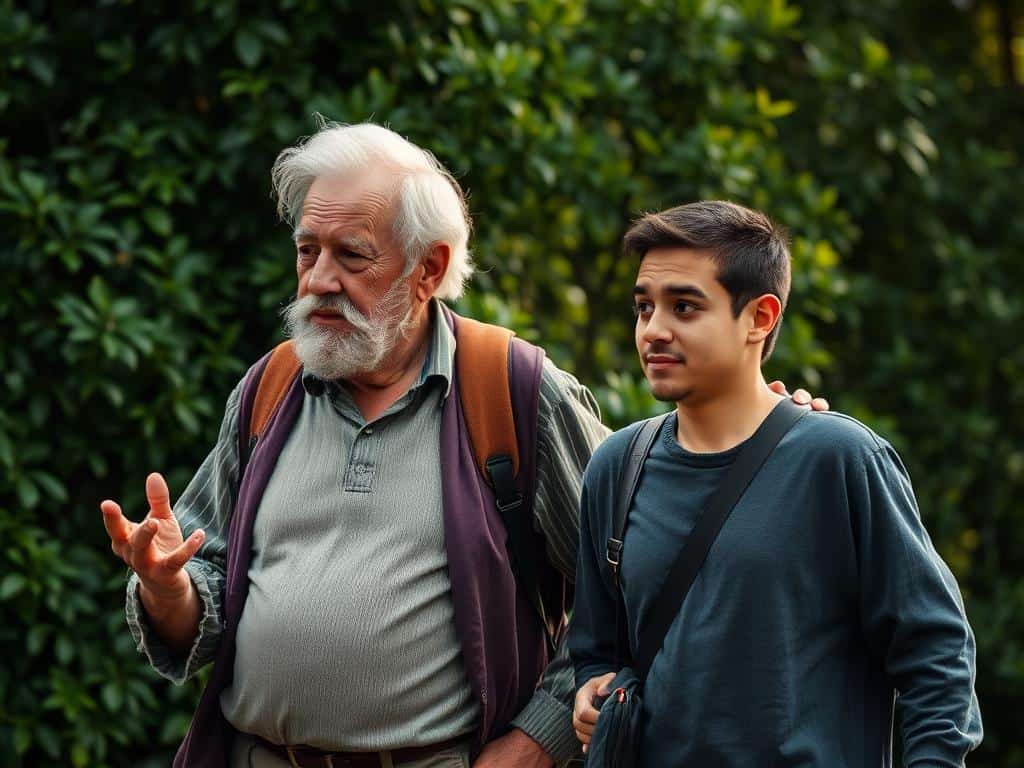
Research from The Mentor Project™ shows that mentoring benefits everyone involved. For the child or mentee, it’s a chance to learn valuable lessons and gain confidence. For the elder mentor, it’s an opportunity to give back and feel a renewed sense of purpose. This reciprocal relationship is at the heart of generativity.
The Reciprocal Benefits of Mentorship
Mentorship is more than a one-way street. It’s a dynamic exchange where both parties grow. For example, a mentor might teach a child how to cook a traditional recipe, passing down a cultural lesson. In return, the mentor gains a fresh perspective and a sense of fulfillment.
Structured programs, like community mentoring events, amplify these benefits. They provide a safe space for sharing skills and stories. I’ve seen how these interactions create lasting bonds and inspire lifelong learning.
Overcoming Generational Challenges
Mentorship isn’t without its challenges. Differences in communication styles or expectations can create barriers. However, these obstacles can be overcome with empathy and open dialogue.
For instance, an elder mentor might use storytelling to connect with a younger mentee. This practice bridges the gap between generations, making the exchange more relatable and meaningful.
Mentorship is like a living book, filled with lessons and experiences that guide us. By nurturing these relationships, we can build stronger communities and ensure that skills and traditions are passed down for generations to come.
Cultural Heritage: Impact on Identity and Community
Cultural heritage shapes who we are and how we connect with others. It’s more than a set of traditions—it’s a living resource that defines our value and strengthens community bonds. From language to rituals, these practices remind us of our roots and guide our future.
Preserving Language and Traditional Practices
Language is a cornerstone of cultural identity. When we preserve native languages, we maintain a sense of self and belonging. Traditional practices, like festivals or crafts, also play a vital role. They connect us to our history and pass down lessons that shape our values.
For example, UNESCO reports that 68% of Americans believe preserving cultural heritage is crucial. This shows the need to act now. By safeguarding these practices, we ensure they remain relevant for future generations.
Bridging Assimilation and Inclusion
Assimilation can sometimes overshadow cultural heritage. However, bridging this gap is essential. Inclusive practices allow communities to honor their traditions while embracing modern services. This balance strengthens both personal and collective identity.
Studies show that 90% of people feel cultural heritage positively impacts their sense of self. This highlights the value of preserving traditions. It’s not just about the past—it’s about creating a legacy for the future.
Cultural custodians play a vital role in this process. They ensure traditions adapt to the times while staying true to their roots. Their service keeps our communities vibrant and connected.
Generational Wisdom: A Two-Way Exchange
The blend of old and new ideas creates a powerful exchange of knowledge. This dynamic process enriches lives and strengthens communities. By combining traditional insights with modern tools, we bridge gaps and foster mutual growth.
Shared Experiences and Modern Techniques
I’ve seen how technology can facilitate meaningful dialogue between ages. Platforms like Eldera.ai use digital storytelling to connect young children with elders. These interactions create a safe space for sharing personal and cultural narratives.
Digital archives and virtual mentorship programs are excellent resources for capturing and sharing knowledge. They allow us to preserve stories and language that might otherwise be lost. This blend of old and new methods addresses modern challenges while enhancing overall well-being.
Every someone, regardless of age, contributes to this dynamic exchange. Elders share life lessons, while younger generations bring fresh perspectives. Together, they create a richer understanding of the world.
This two-way exchange isn’t just about preserving the past. It’s about shaping a better future. By listening and learning from one another, we build stronger connections and foster a sense of unity.
Conclusion
Our shared experiences form the heart of meaningful connections across ages. Each person’s unique journey adds strength to our collective story, reminding us of the value in diversity. By embracing differences in opinion and experience, we create a richer, more inclusive environment for growth.
I encourage everyone to seek out opportunities for dialogue and mutual support. Whether through mentorship, storytelling, or cultural exchange, these moments build bridges and foster understanding. Together, we can shape a future where every voice is heard and every lesson shared contributes to a compassionate community.

