Traveling has always been more than just visiting new places for me. It’s been a journey of self-discovery and understanding the world around me. One of the most profound lessons I’ve learned is the importance of embracing different cultures and perspectives. Whether it was navigating a bustling market in Cape Town or sharing a meal with locals in a remote village, these experiences shaped my worldview.
Early in my travels, I realized how communication goes beyond language. It’s about listening, observing, and adapting. These skills became invaluable, especially in professional settings where teamwork and collaboration are key. I’ve seen firsthand how understanding cultural differences can enhance team dynamics and drive success in global business environments.
Through these experiences, I’ve gained a deeper appreciation for the benefit of cross-cultural training. It’s not just about knowledge; it’s about applying that knowledge in meaningful ways. Traveling has taught me that every person has a unique story, and every culture offers valuable lessons. These insights have enriched both my personal and professional life.
Key Takeaways
- Traveling fosters cultural awareness and adaptability.
- Effective communication transcends language barriers.
- Understanding cultural differences enhances teamwork.
- Cross-cultural training benefits both personal and professional growth.
- Every culture offers unique lessons and perspectives.
Inspiration from My Global Journeys
Exploring the world opened my eyes to the beauty of human diversity. Each journey brought new stories, challenges, and moments of connection that shaped my understanding of people and cultures. These experiences weren’t just about sightseeing—they were lessons in empathy, adaptability, and the value of different perspectives.
Personal Anecdotes
One of my most memorable moments was in a small village in India. I shared a meal with a local family, and despite the language barrier, we connected through gestures and smiles. That experience taught me the importance of non-verbal communication and the power of shared humanity. It was a reminder that every person has a story worth hearing.
Another time, while navigating a bustling market in Morocco, I learned to adapt quickly to unfamiliar customs. This skill of flexibility has since become invaluable in my professional life, especially in diverse work environments. These moments of cultural immersion were my first steps in understanding the benefits of cross-cultural training.
Early Cultural Insights
My early travels challenged many of my preconceived notions. I realized that culture is more than traditions—it’s a way of thinking and living. This awareness has shaped my approach to teamwork and collaboration. In today’s globalized world, understanding cultural differences is essential for building strong, inclusive teams.
These journeys also highlighted the value of storytelling. Sharing my experiences digitally has allowed me to connect with others and foster empathy. It’s a practice I now see mirrored in modern training programs, where storytelling is used to build cultural awareness and sensitivity.
Embracing Cross-Cultural Learning
One of the most transformative aspects of my travels has been the way they’ve deepened my understanding of cultural diversity. Every interaction, from sharing meals with locals to navigating bustling markets, has taught me the importance of embracing differences. These experiences have shaped my ability to adapt and thrive in diverse environments, both personally and professionally.
Recognizing Cultural Diversity Benefits
Understanding cultural diversity isn’t just about knowledge—it’s about applying that knowledge in meaningful ways. In my travels, I’ve seen how diverse perspectives can drive innovation and creativity. For example, in a team setting, acknowledging cultural differences can lead to more effective problem-solving and collaboration. This is why structured training programs are essential for fostering cultural awareness in the workplace.
Research shows that businesses with culturally diverse leadership teams report a 33% increase in profitability. This highlights the tangible benefits of embracing diversity. By investing in training that focuses on cultural sensitivity, organizations can create inclusive environments where every individual feels valued.
Developing Sensitivity Through Experience
Real-world experiences have been my greatest teacher in developing cultural sensitivity. Whether it was learning to navigate a foreign market or adapting to local customs, these moments taught me the importance of empathy and open-mindedness. These skills have become invaluable in my professional life, especially when working in global business environments.
“The more you understand about other cultures, the better you can communicate and collaborate.”
Practical methodologies, such as role-playing and interactive courses, can help employees develop these skills. For instance, simulating cross-cultural scenarios allows individuals to practice handling cultural differences in a safe environment. This kind of training not only improves communication but also reduces the risk of misunderstandings in the workplace.
Ultimately, embracing cultural diversity is about more than just avoiding conflict—it’s about building stronger, more inclusive teams. By fostering empathy and understanding, we can create workplaces where everyone feels respected and empowered to contribute their unique perspectives.
Practical Tips for Meaningful Cultural Exchanges
Traveling with a purpose has transformed how I connect with people and cultures. It’s not just about visiting new places—it’s about creating genuine relationships and understanding the cultural differences that make each person unique. Here’s how you can plan your journey with intent and use digital storytelling to enhance these exchanges.
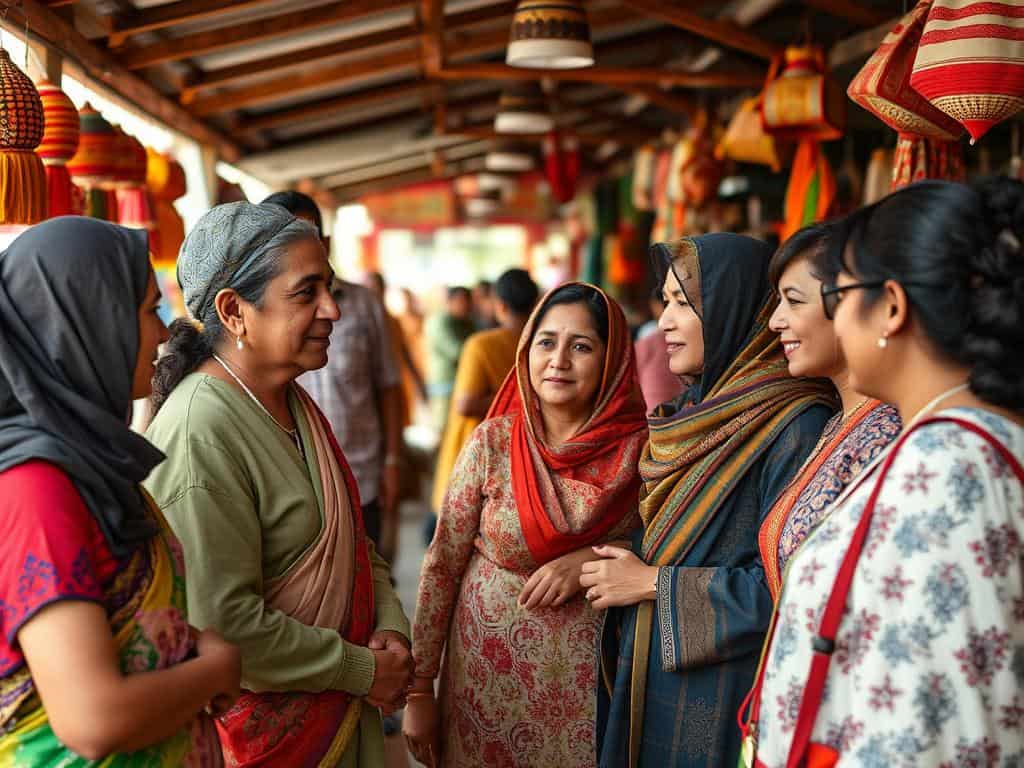
Planning Your Journey with Purpose
Start by researching the culture and customs of your destination. Understanding local traditions can help you avoid misunderstandings and show respect. For example, learning a few phrases in the local language can go a long way in building trust.
Engage with local communities through activities like volunteering or attending cultural events. This not only enriches your experience but also fosters meaningful connections. According to research, 70% of educators believe that understanding cultural differences enhances collaboration.
Strategies for Digital Storytelling
Capture your experiences through photos, videos, and journal entries. These digital stories can serve as powerful tools for sharing your journey and promoting cultural awareness. Platforms like blogs and social media allow you to connect with a global audience.
Use storytelling to highlight the benefits of cultural exchange. For instance, sharing how a local family welcomed you can inspire others to embrace diversity. As one educator noted, “Storytelling bridges gaps and fosters empathy.”
By planning your travels with sensitivity and using digital storytelling, you can create lasting connections and promote cultural understanding. These skills are not only valuable for personal growth but also essential in today’s globalized work environment.
Adapting Communication Across Cultures
Navigating communication in multicultural settings has been one of the most enlightening experiences of my travels. Whether it’s a bustling market in Morocco or a corporate work environment in Japan, I’ve learned that effective communication goes beyond words. It’s about understanding cultural nuances and adapting to diverse styles.
Overcoming Language Barriers
Language barriers are a common challenge in cross-cultural interactions. In my experience, even a simple greeting in the local language can break the ice and build trust. For instance, during a business trip to Germany, I learned basic phrases that helped me connect with my team on a deeper level.
Adapting your approach is key. Non-verbal cues like gestures and facial expressions often speak louder than words. Research shows that 93% of communication is non-verbal, highlighting the value of body language in bridging gaps.
Tailored training programs can also play a crucial role. For example, role-playing scenarios in a course can help employees practice handling misunderstandings. This kind of training fosters sensitivity and prepares individuals for real-world challenges.
“The ability to adapt your communication style is a skill that transcends borders.”
Feedback is another essential component. Encouraging open feedback helps identify areas for improvement and promotes continuous growth. In one workplace, I saw how regular feedback sessions improved collaboration among diverse teams.
Ultimately, overcoming language barriers requires patience, empathy, and a willingness to learn. By embracing these strategies, you can navigate cultural differences and build stronger relationships in any setting.
Integrating Travel Lessons into a Diverse Workplace
My travels have taught me invaluable lessons that seamlessly translate into professional environments. From navigating bustling markets to connecting with locals, these experiences have shaped my approach to fostering inclusivity and collaboration in the workplace. Here’s how I’ve applied these lessons to create effective training programs and build stronger teams.
Implementing Training Techniques
One of the most effective training techniques I’ve developed is role-playing scenarios. These exercises simulate real-world interactions, helping employees practice handling cultural differences. For example, during a course, participants might act out a scenario where they negotiate with a colleague from a different culture. This hands-on approach builds confidence and prepares individuals for real-world challenges.
Another key method is storytelling. Sharing personal travel experiences can highlight the valueof understanding cultural nuances. In one program, I shared how a simple gesture of respect in a foreign market led to a meaningful connection. These stories inspire empathy and encourage open dialogue among team members.
Fostering Empathy and Open Discussion
Empathy is the cornerstone of a diverse workplace. To cultivate this, I encourage employees to share their own cultural backgrounds and experiences. This practice not only builds trust but also fosters a sense of belonging. Research shows that 90% of individuals believe empathy is crucial for building trust in cross-cultural interactions.
Open discussions are equally important. Regular feedback sessions allow teams to address misunderstandings and celebrate successes. In one business, I saw how these discussions improved collaboration and reduced conflict. By creating a safe space for dialogue, organizations can enhance team dynamics and drive innovation.
Measuring Success and Continuous Learning
To assess the impact of training programs, I use a combination of feedback and performance metrics. Surveys and one-on-one interviews provide insights into how employees perceive the program. Additionally, tracking metrics like team productivity and employee retention offers tangible evidence of success.
Continuous learning is also essential. I advocate for ongoing courses and workshops to keep employees engaged and informed. For instance, a leading tech company saw a 30% increase in satisfaction after implementing a year-long cultural awareness program. This commitment to growth ensures that teams remain adaptable and inclusive.
By integrating travel lessons into the workplace, organizations can create environments where every individual feels valued. These strategies not only enhance communication but also drive long-term success in today’s globalized business landscape.
Conclusion
Experiencing diverse cultures has been a cornerstone of my personal and professional growth. Through my travels, I’ve learned the value of understanding cultural differences and how they shape our interactions. These lessons have transformed how I approach teamwork and collaboration in the workplace.
Incorporating cross-cultural training into everyday practices is essential. Studies show that companies with culturally competent employees see a 20% increase in innovation and teamwork. By fostering empathy and open dialogue, organizations can create inclusive environments where every team member feels valued.
I encourage you to reflect on your own experiences and consider how embracing diversity can lead to growth. Whether in your personal life or business, these insights can help you navigate challenges and build stronger connections. Let’s continue to learn, adapt, and celebrate the richness of our world.

