Growing up, I often felt pressured to fit into a certain mold. The constant messages about how a person “should” look left me questioning my worth. It wasn’t until I discovered the idea of self-acceptance that I began to feel truly comfortable in my own skin. This is why the message of embracing one’s appearance is so powerful—it’s about more than just looks; it’s about mental health and well-being.
Today, the culture around beauty is shifting. Campaigns like Dove’s “Real Beauty” and Aerie’s authentic advertising are challenging outdated standards. These efforts remind us that every person deserves to feel valued, regardless of their size or shape. The movement toward acceptance isn’t just a trend—it’s a necessary step toward a healthier, more inclusive society.
From its roots in the fat acceptance movement to its current presence on social media, this idea has evolved. Yet, its core remains the same: promoting love and respect for all. In a world filled with unrealistic expectations, embracing this approach can make a profound difference in how we see ourselves and others.
Key Takeaways
- Self-acceptance improves mental health and self-image.
- Modern campaigns like Dove and Aerie are reshaping beauty standards.
- The movement has historical roots in fat acceptance.
- Social media plays a key role in spreading this message.
- Embracing diversity fosters a more inclusive culture.
What is Body Positivity?
The mirror used to be my harshest critic, until I learned to see myself differently. Body positivity is more than a trend—it’s a mindset that encourages loving your body as it is, free from societal pressures. It’s about celebrating every shape, size, and ability, and recognizing that beauty isn’t one-size-fits-all.
Defining the Concept
At its core, body positivity is the belief that every person deserves to feel good about their body, regardless of traditional beauty standards. It’s about rejecting the idea that only certain appearances are worthy of love or respect. This movement challenges the narrow ideals often portrayed in media and encourages a focus on overall well-being.
For me, understanding this concept was life-changing. It shifted my focus from trying to fit into a mold to appreciating my unique body image. It’s not about ignoring flaws but embracing them as part of what makes us human.
Embracing All Body Types and Shapes
Body positivity is inclusive. It’s about celebrating diversity and rejecting the notion that there’s a “perfect” body. This acceptance extends to all genders, ages, and abilities. It’s a reminder that beauty isn’t confined to a single standard.
“The body positivity movement is about reclaiming our worth and rejecting the harmful messages that tell us we’re not enough.”
While body positivity focuses on love and appreciation, body neutrality offers an alternative approach. It’s about viewing your body without judgment, focusing on what it can do rather than how it looks. Both concepts aim to improve mental health and self-esteem, but they offer different paths to self-acceptance.
Ultimately, body positivity is a powerful tool for fostering a more inclusive society. It challenges outdated norms and encourages us to see the beauty in ourselves and others.
The History and Origins of the Movement
Understanding the roots of this movement has completely changed my perspective. It began in the late 1960s with the fat acceptance movement, a response to societal pressures and discrimination. This was a time when people started challenging the idea that only certain bodies deserved respect.
Roots in the Fat Acceptance Movement
In 1969, the National Association to Aid Fat Americans (NAAFA) was formed. This marked a turning point in the fight against weight-based discrimination. Early activists organized events like the “fat-in” in Central Park, protesting societal norms that marginalized larger individuals.
These actions laid the groundwork for what would later become the body positivity movement. It wasn’t just about size—it was about reclaiming dignity and challenging harmful stereotypes.
Key Milestones from the 1960s to 2010s
The 1970s and 1980s saw the rise of fat activism groups like the Fat Underground. These organizations focused on ending fat shaming and promoting self-love. By the 1990s, the movement had expanded globally, with protests and legal victories, such as Bonnie Cook’s landmark case against weight discrimination.
In the 2010s, social media platforms like Instagram brought the movement to a wider audience. Hashtags like #BodyPositivityInColor helped marginalized voices reclaim the narrative. Today, the movement continues to evolve, advocating for inclusivity and challenging outdated beauty standards.
“The fat acceptance movement was never just about size—it was about dignity, respect, and the right to exist without judgment.”
Learning this history has deepened my appreciation for the movement. It’s a reminder that self-acceptance is a journey, one that’s rooted in decades of activism and courage.
How Social Media and Pop Culture Shape Perceptions
Social media has become a powerful force in shaping how we view ourselves and others. Platforms like Instagram, TikTok, and Snapchat are not just tools for connection—they’re spaces where beauty standards are both challenged and reinforced. For many, these platforms offer a way to celebrate diversity and promote self-acceptance. Yet, they can also amplify unrealistic ideals, creating a complex relationship with our body image.
Influence of Platforms like Instagram
Instagram, in particular, has played a pivotal role in redefining beauty. Influencers like Iskra Lawrence have used their platforms to promote body positivity, sharing unfiltered images and encouraging others to embrace their unique features. Hashtags like #EffYourBeautyStandards and #IWokeUpLikeThis have become rallying cries for authenticity.
However, the curated nature of Instagram can also perpetuate unrealistic expectations. Studies show that 40% of teens worry about their appearance due to social media content. This duality highlights the need for mindful consumption and critical engagement with these platforms.
Campaigns and Advertisements that Redefine Beauty Standards
Major brands like Dove and Aerie have embraced the movement toward inclusivity. Dove’s “Real Beauty” campaign and Aerie’s unretouched ads challenge traditional beauty standards, showcasing diverse body types and skin tones. These campaigns remind us that beauty isn’t confined to a single ideal.
Yet, the impact of these efforts is sometimes limited by the broader culture of perfectionism on social media. While they promote acceptance, they also exist in a space where filters and editing tools dominate. This tension underscores the ongoing struggle to balance empowerment with authenticity.
“Social media can be a double-edged sword—it has the power to uplift and inspire, but it can also reinforce harmful ideals.”
Ultimately, the way we engage with social media and pop culture shapes our self-perception. By celebrating diversity and challenging outdated norms, we can create a more inclusive and accepting world. It’s up to us to use these platforms as tools for positive change.
My Personal Journey with Body Positivity
For years, I struggled with how I saw myself, constantly comparing my reflection to impossible standards. The pressure to conform to societal ideals left me feeling inadequate and disconnected from my own worth. It wasn’t until I began questioning these norms that I started to see a way forward.
Challenging My Negative Self-Perception
Growing up, I internalized the belief that my value was tied to my appearance. Magazines, TV shows, and even peers reinforced the idea that only certain bodies were worthy of love. This led to a cycle of self-criticism and unhealthy habits. At one point, I even considered extreme measures to fit into the mold I thought I needed to be in.
Research shows that poor body image is linked to higher rates of depression and eating disorders. I experienced this firsthand, as my negative thoughts began to affect my mental health. It was a wake-up call that made me realize I needed to change my approach.
Adopting a Healthier Self-Reflection Mindset
The turning point came when I discovered the concept of body positivity. It wasn’t just about loving my appearance—it was about reclaiming my sense of self-worth. I started practicing self-affirmation, focusing on what my body could do rather than how it looked. This shift in perspective was transformative.
I also began to challenge the messages I consumed. Instead of following accounts that promoted unrealistic ideals, I sought out content that celebrated diversity and authenticity. This helped me see that beauty isn’t one-size-fits-all.
“Learning to love myself wasn’t easy, but it became the most transformative experience of my life.”
Today, I’m in a much healthier place. While I still have moments of doubt, I’ve learned to approach them with kindness and understanding. My journey has taught me that acceptance is a process, not a destination, and it’s one worth pursuing.
The Impact of Body Positivity on Mental and Physical Health
The way we see ourselves can shape every aspect of our lives. Embracing a positive self-image isn’t just about feeling good—it’s about improving both mental and physical health. Studies show that a healthy relationship with our appearance can reduce depression and boost self-esteem.
Research indicates that individuals with a positive body image are less likely to develop eating disorders. They’re also more likely to engage in self-care practices that promote overall well-being. This shift in mindset can lead to healthier lifestyle choices, such as balanced diets and regular exercise, without the pressure to conform to societal standards.
Boosting Self-Esteem and Mental Well-being
When I started focusing on self-acceptance, I noticed a significant improvement in my mental health. Instead of criticizing my appearance, I began to appreciate what my body could do. This change in perspective helped me feel more confident and less anxious in daily life.
Studies support this experience, showing that a positive body image is linked to lower levels of stress and anxiety. By rejecting harmful societal messages, we can create a healthier mental space for ourselves.
Encouraging Healthy Lifestyle Choices
Body positivity isn’t just about mental health—it also encourages physical well-being. When we view self-care as an act of love rather than punishment, we’re more likely to make sustainable choices. For me, this meant focusing on activities that made me feel strong and energized, rather than obsessing over weight loss.
This approach aligns with research showing that individuals who embrace self-acceptance are more likely to maintain balanced diets and exercise routines. It’s a reminder that health isn’t about perfection—it’s about feeling good in your own skin.
“A positive body image isn’t just about appearance—it’s about fostering a healthier relationship with yourself.”
Ultimately, the impact of body positivity extends far beyond looks. It’s a powerful tool for improving both mental and physical health, helping us lead more fulfilling lives.
Alternative Perspectives: Body Neutrality and Criticism
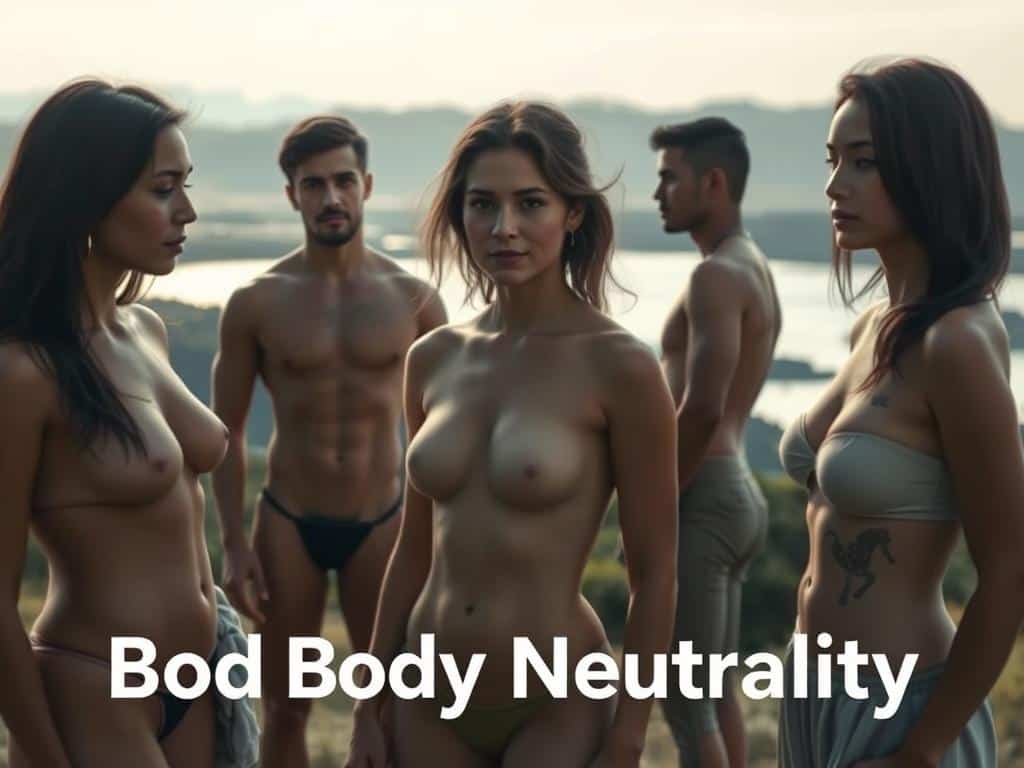
In a world where appearance often defines worth, finding a balanced perspective is crucial. While the body positivity movement has empowered many, it’s not the only path to self-acceptance. Some argue that focusing solely on appearance can overshadow other aspects of identity. This has led to the rise of body neutrality, an approach that shifts the focus from how we look to what our bodies can do.
Understanding Body Neutrality
Body neutrality encourages viewing your body without judgment. Instead of striving to love every part of your appearance, it’s about appreciating functionality. For example, someone might focus on their body’s ability to walk, dance, or create, rather than its size or shape. This approach can be especially helpful for those who find the idea of body positivity overwhelming.
As Anne Poirier, a certified intuitive eating counselor, explains, “Body neutrality allows us to step away from the constant noise about appearance and focus on what truly matters.” This mindset can reduce the pressure to conform to societal standards and promote a healthier relationship with oneself.
Critiques and Challenges within the Movement
While the body positivity movement has made strides, it’s not without criticism. Some argue that it can foster unrealistic expectations, encouraging people to love their bodies even when they’re struggling. Others point out that it often excludes marginalized groups, such as people with disabilities or those who don’t fit traditional beauty norms.
There’s also concern about the commercialization of the movement. Brands may use body positivity as a marketing tool without addressing deeper issues like weight discrimination. This can dilute the movement’s original intent, which was rooted in fat acceptance and social justice.
“The body positivity movement has the potential to empower, but it must be inclusive and authentic to truly make a difference.”
Ultimately, the debate highlights the need for balance. Whether through body positivity or body neutrality, the goal is to foster self-acceptance and challenge harmful societal norms. By embracing diverse perspectives, we can create a more inclusive and compassionate culture.
Conclusion
Embracing self-love has been a transformative journey for me, reshaping how I view myself and the world. The movement toward acceptance, rooted in decades of activism, continues to challenge outdated norms and promote inclusivity. From its origins in fat acceptance to its presence on social media, this shift has inspired countless individuals to reclaim their worth.
Research shows that fostering a positive relationship with oneself can significantly improve mental health and overall well-being. By focusing on what our bodies can do rather than how they look, we can break free from harmful societal pressures. This approach encourages healthier lifestyle choices and reduces the risk of issues like eating disorders.
While the journey isn’t always easy, it’s worth it. By celebrating diversity and embracing authenticity, we can create a more compassionate culture. Let’s continue to challenge stereotypes, support one another, and prioritize self-acceptance in our daily lives.

