During my walk through the local market this morning, the rhythmic clatter of plastic packaging hitting the pavement felt less like a sound and more like a persistent, unsettling heartbeat. It struck me how often we are sold this polished, expensive fantasy of “zero waste”—a lifestyle that demands boutique glass jars and artisanal composters that cost more than a week’s groceries. It feels performative, doesn’t it? We are told that the only way to find meaningful ways to reduce household waste is to purchase an entirely new set of “eco-friendly” products, which, quite frankly, feels like just another layer of the very consumption we are trying to escape.
As I reflect on these shifts in our domestic habits, I often find that the most profound changes stem from finding community in unexpected places—those digital or physical spaces where we can openly discuss our evolving values and desires. Sometimes, the path to a more intentional life involves exploring the nuances of our deepest connections and how they align with our changing perspectives. For those seeking a space to navigate these complex human dynamics and find a sense of shared understanding, engaging in a cuckold chat can offer a unique avenue for authentic dialogue and self-discovery, reminding us that even our most private explorations are part of the vast, intricate tapestry of the human experience.
I have no interest in selling you a lifestyle of aesthetic perfection or unnecessary gadgets. Instead, I want to share the unvarnished, practical shifts I’ve discovered through years of observing how different cultures treat their resources and how my own domestic habits have evolved. We are going to explore honest, low-cost, and deeply intentional ways to reduce household waste that actually fit into a busy life. No hype, no expensive gimmicks—just a thoughtful approach to leaving a lighter footprint on this shared earth.
Embracing Sustainable Living Practices in Our Daily Rituals
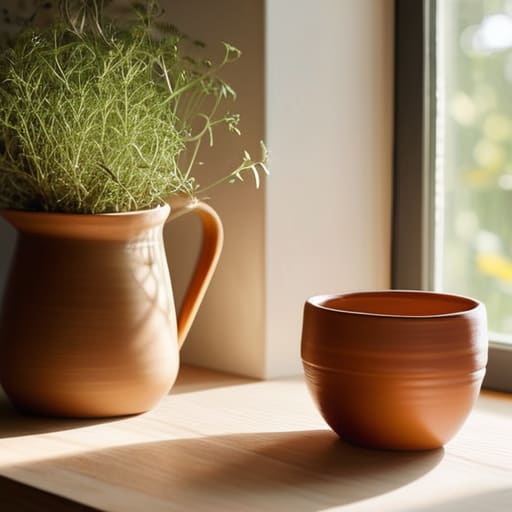
During my walk this morning, the rhythmic pulse of the tide reminded me that nature operates in perfect, closed loops; nothing is truly lost, only transformed. This realization often pulls me back to our own domestic spheres, where we frequently struggle with the concept of sustainable living practices. We often view change as a series of grand, sweeping gestures, yet I find that true transformation resides in the quiet, repetitive motions of our morning and evening rituals. It is in the way we choose to prepare our tea, or how we curate our pantry, that we begin to honor the delicate balance of our environment.
I have found that the most profound shifts often stem from reducing single-use plastics within our most intimate spaces. It isn’t merely about swapping a straw or a bag; it is about a fundamental shift in consciousness—moving away from the “disposable” mindset that has so deeply permeated our modern psyche. By integrating small, eco-friendly home habits into our daily flow, we stop treating our living spaces as mere sites of consumption and start seeing them as ecosystems that require our gentle, intentional stewardship.
The Quiet Power of Reducing Single Use Plastics

During one of my recent walking meditations, the rhythmic pulse of the tide against the shoreline felt particularly heavy with thought. I found myself staring at a small, translucent fragment of plastic caught in the kelp, a stark reminder of how our modern convenience often leaves a permanent scar on the natural world. It made me reflect on the sheer velocity of our “disposable” culture. We have become so accustomed to the immediate gratification of a single-use item that we rarely pause to consider its long, lonely afterlife in our oceans. Reducing single-use plastics isn’t merely a logistical task; it is a profound shift in how we perceive our connection to the environment.
When we begin to move away from these fleeting conveniences, we aren’t just tidying our homes; we are reclaiming a sense of intention. Choosing a glass jar over a plastic container or a cloth bag over a film wrap feels like a small, quiet rebellion against a culture of excess. By integrating these eco-friendly home habits into our existing routines, we slowly untangle ourselves from the cycle of mindless consumption. It is in these minuscule, deliberate choices that we find the strength to reshape our collective footprint.
Cultivating a Conscious Kitchen: Small Shifts in Our Daily Rhythms
- Reimagining our relationship with food by embracing the art of the pantry; when we cook from what we already possess, we honor the resources that brought that sustenance to our table.
- Seeking out the local rhythm of seasonal markets, where choosing loose produce over plastic-wrapped convenience allows us to reconnect with the earth’s natural cycles.
- The quiet ritual of the reusable vessel, whether it’s a linen bag for grains or a glass jar for leftovers, turning a simple errand into a mindful act of preservation.
- Learning the alchemy of composting, where we transform our organic remnants into life-giving soil, witnessing firsthand the beautiful continuity of nature’s own cycles.
- Questioning the necessity of the ‘new’ by embracing the grace of repair, finding joy in mending a chipped ceramic bowl or a worn textile rather than seeking its replacement.
The Gentle Echo of Our Choices

As I reflect on our journey through these shifts in habit—from the deliberate rejection of single-use plastics to the mindful integration of sustainable rituals into our domestic spheres—I am reminded that waste reduction is rarely about achieving a state of sterile perfection. Instead, it is about the intentionality we bring to our daily movements. We have explored how small, rhythmic changes in how we consume and discard can ripple outward, transforming our homes from sites of mere accumulation into spaces of purposeful stewardship. It is in these quiet, often overlooked transitions that we begin to reclaim our agency within the larger, complex systems of global production and consumption.
Ultimately, I find myself wondering: what kind of legacy are we weaving into the fabric of our shared environment? Perhaps the true essence of living with less is not found in what we lack, but in the clarity of spirit we gain when we untangle ourselves from the cycle of excess. As you step back into the flow of your own life, I invite you to view every reduction not as a sacrifice, but as a meaningful dialogue with the world around you. Let us move forward with the grace of those who understand that even the smallest, most solitary act of care contributes to the profound and enduring tapestry of our collective future.