I was walking along the shoreline this morning, the salt spray misting my face, when a thought struck me: we have become obsessed with the aesthetic of perfection rather than the utility of living. I see it everywhere—glossy social media feeds peddling expensive, color-coded acrylic bins as if they are the holy grail of domestic bliss. But let’s be honest, most of these “hacks” are just expensive clutter in disguise. If you are searching for the best ways to organize a small kitchen, you don’t need a showroom-ready museum; you need a space that respects your movements and your time.
I am not here to sell you a lifestyle of unattainable minimalism or a collection of useless gadgets. Instead, I want to offer you a more philosophical approach to your culinary sanctuary. Drawing from my own experiences navigating cramped urban apartments and the lessons of intentional living, I will share practical, no-nonsense strategies to reclaim your space. We will explore how to curate your surroundings so that your kitchen becomes a place of flow and inspiration, rather than a source of daily friction.
Maximizing Cabinet Space Through Intentional Design
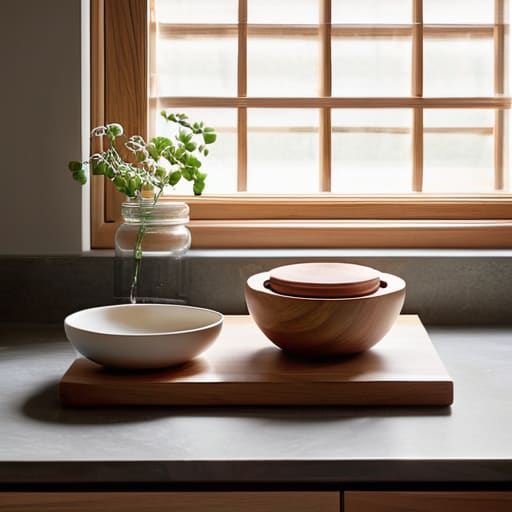
When I was walking along the coastal cliffs last Tuesday, I found myself thinking about the concept of “vessel and void”—how the shape of a container dictates not just what it holds, but how we perceive the space within it. In a compact kitchen, your cabinets are those vessels. We often approach maximizing cabinet space as a mere battle against clutter, but I prefer to view it as an exercise in intentionality. Rather than simply shoving items into dark corners, consider how the architecture of your storage can serve your daily rituals.
One of the most profound shifts in perspective comes from embracing vertical storage for tiny kitchens. We frequently focus on the horizontal planes, yet we neglect the untapped potential of the height above our eye level. By utilizing tiered risers or even slim, pull-out shelving, you transform a chaotic stack of plates into an organized, accessible library of tools. It is about moving away from the frantic search for a lid and moving toward a state of curated readiness, where every object has a home that respects both its function and the precious geometry of your home.
Small Kitchen Storage Solutions for a Harmonious Flow
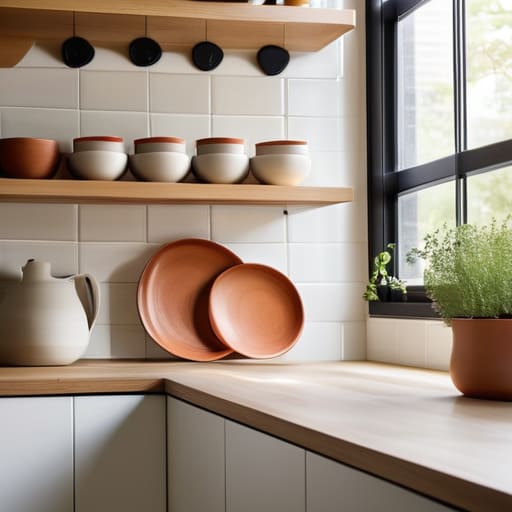
As I was walking along the shoreline this morning, watching the tide pull fragments of driftwood into precise, rhythmic patterns, I found myself reflecting on the concept of “flow.” In a kitchen, flow isn’t just about where you place the toaster; it is about the invisible current of movement that dictates how we inhabit a space. When we are confined by square footage, we often feel at odds with our surroundings, but the secret lies in embracing vertical storage for tiny kitchens. By utilizing the often-ignored expanse of your walls—perhaps through floating shelves or magnetic strips—you transform a static boundary into a dynamic canvas that breathes with your culinary needs.
True harmony, however, requires us to look beyond the walls and address the surfaces that meet our hands every day. I’ve found that effective countertop decluttering ideas are less about aggressive minimalism and more about intentional curation. It is an invitation to treat your workspace as a sacred area for creation rather than a landing strip for clutter. When we clear the visual noise, we allow the kitchen to transition from a site of chaotic utility into a sanctuary of mindful preparation.
The Ritual of Curation: Five Principles for a Purposeful Kitchen
- Embrace the philosophy of the ‘essential vessel’ by auditing your tools; if a gadget hasn’t participated in your culinary rituals over the last season, it is likely occupying space that belongs to your creativity rather than your clutter.
- Utilize the vertical dimension as a canvas for organization, employing wall-mounted rails or magnetic strips to lift your most frequent instruments off the counter, allowing the workspace to breathe like a quiet coastal clearing.
- Create ‘micro-zones’ of intention, grouping your spices near the heat or your oils near the prep area, much like how different cultural traditions cluster their tools to honor the specific flow of their ancestral recipes.
- Seek out the hidden geometry of your space by incorporating tiered organizers within deep cabinets, ensuring that even the items tucked in the shadows are easily accessible and never lost to the void of neglect.
- Treat your countertop not as a storage shelf, but as a sacred stage for the act of creation; by keeping the surface clear of everything but the immediate essentials, you invite a sense of calm and focus into your daily nourishment.
The Soul of the Small Kitchen
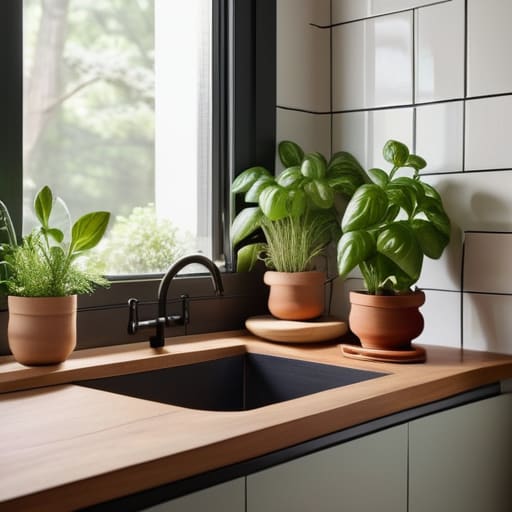
As we have traversed the practical landscapes of cabinet optimization and the subtle art of maintaining a harmonious flow, it becomes clear that organizing a small kitchen is less about mere storage and more about intentional curation. We have explored how maximizing every inch of vertical space and selecting tools that serve a dual purpose can transform a cramped corner into a functional sanctuary. By applying these principles, you aren’t just tidying up; you are creating a structured environment that respects your movements and honors the rituals of cooking and nourishment.
Ultimately, I find myself reflecting on my morning walks, wondering if the way we arrange our physical spaces is a mirror to how we arrange our internal lives. A small kitchen, when organized with care, ceases to be a source of friction and instead becomes a quiet stage for the poetry of the everyday. Do not view the limited square footage as a boundary, but rather as an invitation to live more deeply and more simply. In the end, it is not the size of the room that dictates our experience, but the clarity and intention we bring to the space we inhabit.
As we move from the macro-level layout to the finer details of daily living, I often find that the most profound sense of order comes from how we manage our personal connections and the social energy we bring into our homes. Just as a well-curated kitchen provides the stage for nourishment, our external lives require a certain rhythmic balance to prevent the chaos of the world from encroaching on our domestic sanctuary. I’ve found that when I feel the need to expand my horizons beyond these quiet, organized spaces, exploring new social landscapes through hamilton hookups can offer a refreshing way to engage with the world, ensuring that our pursuit of a harmonious lifestyle extends well beyond the walls of our kitchens.