I was walking along the shoreline yesterday, the salt spray hitting my face as I pondered a question that has been gnawing at me: why do we insist on romanticizing solitude as either a minimalist sanctuary or a lonely void? Most lifestyle blogs treat the topic like a design puzzle, offering endless lists of “aesthetic” decor to mask the emptiness, but they completely miss the psychological weight of the shift. They fail to realize that how living alone changes a home isn’t about the furniture you buy or the color of your walls; it’s about the sudden, profound way the space begins to reflect your own internal dialogue back at you.
I’m not here to sell you on a curated lifestyle or a checklist of expensive solo-living hacks. Instead, I want to pull back the curtain on the unspoken evolution of a space that has transitioned from a shared habitat to a personal sanctuary. We are going to explore the messy, beautiful, and sometimes unsettling ways your environment adapts to your singular rhythm, moving past the superficiality to understand the true soul of a home reclaimed by solitude.
The Psychology of Solo Living Spaces and Inner Stillness
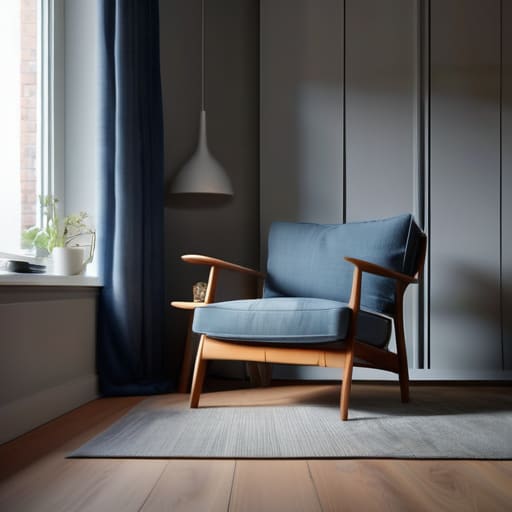
When I walk through the threshold of my own apartment after a long day of consulting, I am struck by the peculiar weight of the silence. It isn’t a void, but rather a presence—a deliberate space that demands a certain kind of mental clarity. There is a profound psychology of solo living spaces at play here; without the constant, subtle social cues of a roommate or partner, our environment begins to act as a direct extension of our internal state. The walls don’t just hold up the ceiling; they hold the echoes of our unedited thoughts.
In these quiet hours, I’ve found that maintaining a single-person household becomes less about chores and more about a ritual of self-respect. When you are the sole architect of your surroundings, every object becomes a choice rather than a compromise. This autonomy allows for a rare kind of introspection, where the lack of external noise facilitates a deeper dive into one’s own psyche. We aren’t just managing a floor plan; we are curating a sanctuary that reflects our evolving sense of self, turning solitude into a powerful tool for inner stillness and clarity.
Navigating the Emotional Impact of Living Alone
There is a specific, often unacknowledged weight to the silence that settles when you close the door behind you. It isn’t just the absence of noise, but a presence in itself—a mirror that reflects your unfiltered self. During one of my recent walking meditations, I found myself pondering how we negotiate this void. We often fear the emptiness, yet the emotional impact of living alone is frequently where the most profound personal growth occurs. It is in these quiet hours that we stop performing for an audience and begin to actually listen to our own internal rhythms.
However, this independence can occasionally veer into a sense of profound isolation if we aren’t intentional. I’ve found that the way we curate our surroundings acts as a vital anchor. Whether it is through mindful decorating for one person to ensure the space feels nurturing rather than hollow, or simply establishing rituals that ground us, our environment must serve as a sanctuary. We aren’t just managing a property; we are tending to a private ecosystem that must sustain our spirit when the world outside feels particularly vast and indifferent.
Curating the Sanctuary: Five Rituals for the Solo Inhabitant
- Curate your environment with intention rather than habit; when you are the sole witness to your space, every object should serve as a quiet dialogue between your past self and your present aspirations.
- Embrace the luxury of sensory autonomy by tailoring your home’s atmosphere—the scent of cedar, the specific hue of a lamp, the rhythm of a playlist—to match your internal weather without compromise.
- Designate “zones of stillness” within your rooms to prevent the psychological drift that can occur in empty spaces, ensuring that even a single chair can become a dedicated altar for reflection.
- Avoid the trap of “static living” by introducing subtle, evolving elements like seasonal flora or rotating art, which remind you that even in solitude, your home is a living, breathing organism of growth.
- Transform the silence from a void into a presence by establishing small, grounding rituals—the ritual of the morning tea or the evening candle—to anchor your identity within the walls you call your own.
The Architecture of the Self
As we have navigated through the psychological shifts and the complex emotional landscape of solo living, it becomes clear that a home reclaimed by solitude is far more than just a collection of rooms. It is a living, breathing extension of our internal state—a space where the silence isn’t an absence of noise, but a presence of clarity. We have seen how the walls of a single-person household stop being mere boundaries and instead become mirrors, reflecting our need for both stillness and the courage to face our own company. By curating our environments to suit our deepest rhythms, we transform a simple dwelling into a sanctuary for the evolving soul.
Ultimately, living alone offers us a rare and sacred opportunity: the chance to listen to the unhurried melody of our own thoughts without the constant interference of another’s narrative. Whether you find this transition daunting or liberating, remember that the way you inhabit your space is a profound act of self-definition. Do not fear the quiet; instead, embrace it as the fertile soil from which your most authentic self can grow. May your home always be a place where you can truly meet yourself in the stillness.
As we navigate these quieter chapters of existence, I’ve often found that the silence of a solo home can occasionally feel less like a sanctuary and more like an echo chamber. During one of my recent walking meditations, I reflected on how even the most self-sufficient souls occasionally crave a spark of external connection to prevent their inner world from becoming too insular. If you find yourself yearning for a way to bridge that gap without the complexities of traditional social rituals, exploring a no-signup adult chat can be a surprisingly effective way to engage in spontaneous, unscripted dialogue, reminding us that even in our most private spaces, the human need for connection remains an unshakeable constant.