I was walking along the coast yesterday, the tide pulling at the pebbles with that rhythmic, ancient sigh, when I found myself thinking about the sheer absurdity of modern interior design. We are constantly bombarded by glossy magazines suggesting that peace is something you can purchase in a set of overpriced, minimalist linen pillows or a specific shade of “calming” sage. It’s a lie. Most of these curated spaces feel more like museum exhibits than homes—sterile, cold, and utterly devoid of life. If you are searching for how to set up a room you actually relax in, you won’t find the answer in a catalog of expensive, soul-less trends that demand you live within their rigid boundaries.
Instead, I want to talk about something far more fundamental: the intentionality of space. Drawing from my own journey of transforming cluttered corners into sanctuaries of thought, I am going to share a way of looking at your home that prioritizes your internal landscape over aesthetic perfection. I won’t offer you a shopping list; rather, I will provide a framework for stillness based on how light, texture, and even the silence of a room interact with your psyche. We are going to strip away the hype and focus on how to cultivate a space that truly allows your soul to settle.
Calming Interior Design Principles for the Seeking Soul
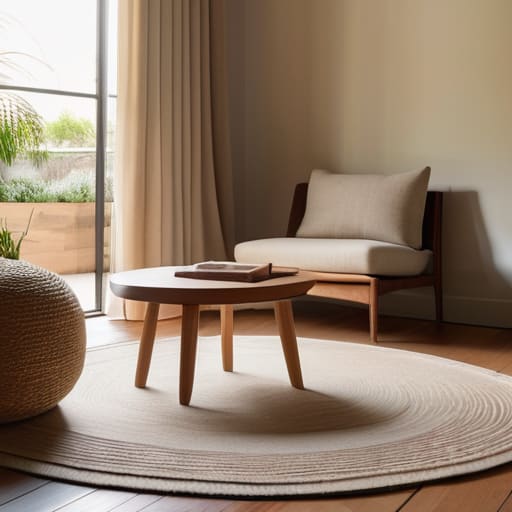
When I walk through the narrow, cobblestone streets of the old coastal villages I visited as a child, I am always struck by how the architecture seems to cradle the inhabitants. To replicate this sense of being held, we must look toward calming interior design principles that prioritize the spirit over mere aesthetics. It begins with the rhythm of the space; rather than filling a room with the clutter of a busy life, we should curate it. This isn’t about the sterility of modernism, but about intentionality. By selecting textures that invite touch—the grain of reclaimed wood or the heavy drape of linen—we begin the process of creating a cozy sanctuary at home that feels lived-in yet profoundly still.
Light, too, plays a silent, transformative role in our internal landscape. During my morning meditations, I often consider how the harshness of midday sun can fracture our focus, whereas the amber glow of dusk invites introspection. To achieve true repose, we must master lighting for stress reduction, moving away from the clinical glare of overhead fixtures in favor of layered, soft illumination. When we dim the lights and allow shadows to dance gently in the corners, we aren’t just decorating; we are architecting a threshold between the chaos of the world and the sanctuary of the self.
Color Psychology for Restful Spaces and Inner Peace
During my walk through the old botanical gardens this morning, I found myself captivated by the way the muted sage of the ferns seemed to absorb the frantic energy of the city nearby. It struck me that we often treat our walls as mere boundaries, forgetting that they are actually the skin of our private world. When we consider color psychology for restful spaces, we aren’t just choosing a paint swatch; we are selecting the emotional frequency at which our sanctuary vibrates. Deep, oceanic blues or the soft, dusty terracottas of a Mediterranean sunset don’t just sit on the surface—they reach into our psyche, inviting the nervous system to finally unfurl and settle.
However, the pursuit of tranquility isn’t about finding a single “perfect” hue, but about understanding how light and pigment dance together. A shade that feels ethereal in the morning sun might turn somber and heavy under a lamp at dusk. To truly master the art of creating a cozy sanctuary at home, one must look beyond the color wheel and consider how these tones interact with the shadows. It is in this delicate interplay—the marriage of soft pigment and gentle shadow—where we find the ability to truly breathe.
The Architecture of Presence: Five Rituals for a Living Sanctuary
- Curate the Rhythm of Light: Avoid the harsh, clinical glare of overhead lighting that demands productivity; instead, seek the soft embrace of layered lamps and the gentle dance of candlelight to signal to your nervous system that the day’s labor is done.
- Honor the Tactile Connection: We are sensory beings, often too detached from our physical reality; surround yourself with textures that invite touch—the weight of a linen throw or the grain of reclaimed wood—to ground your wandering thoughts back into the present moment.
- The Art of Intentional Curation: A room cluttered with the debris of a busy life is a room that refuses to let the mind settle; ruthlessly edit your surroundings, keeping only those objects that possess a soul or a story, allowing the empty spaces to breathe.
- Integrate the Living Breath: Bring the quiet wisdom of the natural world indoors through greenery, not merely as decoration, but as a living reminder of growth and cyclical stillness that counters the frantic pace of our digital existence.
- Designate a Threshold of Silence: Create a specific corner or a singular chair that serves no purpose other than contemplation, transforming a mere piece of furniture into a sacred station for your daily mental pilgrimage.
The Architecture of Inner Quiet
As we draw these threads together, it becomes clear that crafting a sanctuary is far more than a mere exercise in aesthetics or the strategic placement of soft textures. We have explored how the intentional application of design principles, the subtle alchemy of color psychology, and the deliberate curation of our surroundings work in concert to soothe the nervous system. To truly transform a room, one must move beyond the superficiality of “decorating” and instead embrace the art of intentional composition. By aligning our physical environment with our psychological needs, we create a space that doesn’t just look restful, but actually facilitates the profound stillness required for the soul to settle and breathe.
Ultimately, I have found during my own quiet walks that the most beautiful rooms are not those that follow a strict catalog, but those that reflect the unique rhythm of the person inhabiting them. Your space should be a living dialogue between your external world and your internal landscape. Do not strive for perfection; instead, strive for resonance. Let your sanctuary be a place where the noise of the world fades into a gentle hum, allowing you to rediscover the clarity that exists beneath the surface of daily life. May your home be more than a shelter—may it be a sacred vessel for your contemplation.
As I sat by the window during my meditation this morning, watching the light shift across the floorboards, I was reminded that a truly restful space is often defined by the quality of the connections we foster within it. It isn’t enough to simply surround ourselves with soft textures and muted tones; we must also cultivate an environment that honors our human need for intimacy and genuine connection. If you find yourself looking to deepen the emotional resonance of your personal sanctuary, I often find that exploring the nuances of how we relate to one another can provide unexpected clarity, much like how one might see for yourself through a more intentional lens of understanding. Ultimately, the most profound way to architect stillness is to ensure your surroundings support the very essence of your most authentic self.