I was staring at a blank whiteboard at 2:00 AM, surrounded by half-empty coffee mugs and a sense of total, crushing failure, when it finally hit me. It wasn’t some slow, methodical climb toward a solution; it was a violent, electric jolt that felt like a physical strike to the chest. We often treat these moments like mystical gifts from the universe, but that’s total nonsense. What we’re actually experiencing is the sudden, chaotic firing of the “Aha!” neurological pathway, and it’s far more mechanical—and predictable—than the “geniuses are born this way” crowd wants you to believe.
I’m not here to sell you some expensive “mindset seminar” or wrap basic biology in layers of spiritual fluff. Instead, I’m going to pull back the curtain on what’s actually happening inside your skull when those lightbulbs go off. We’re going to skip the academic jargon and get straight to the real mechanics of how you can actually trigger these breakthroughs more often. Consider this your no-BS guide to understanding the spark, mastering the mental friction, and finally making sense of that sudden lightning bolt in your brain.
Table of Contents
The Prefrontal Cortex and Epiphany Where Lightning Strikes
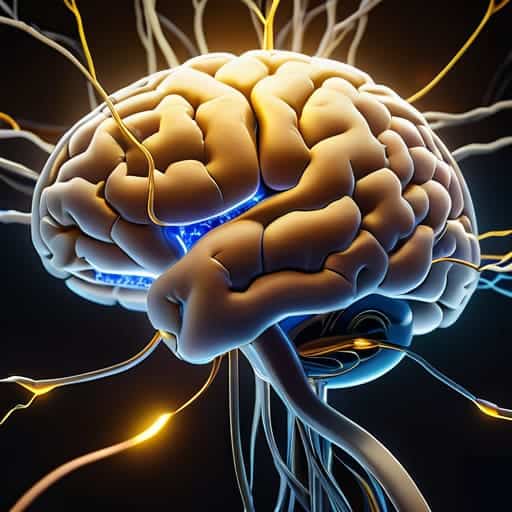
Think of your prefrontal cortex as the high-level CEO of your brain. Usually, this area is busy with the heavy lifting—logic, planning, and keeping your focus sharp. But when you’re stuck on a problem, the CEO often gets bogged down in the details. The magic happens when you finally step back. During that critical incubation period in creativity, your brain stops brute-forcing the answer and starts letting the subconscious take the wheel.
When that solution finally bubbles up to the surface, it isn’t just a quiet thought; it’s a physiological event. The connection between the prefrontal cortex and epiphany is essentially a sudden hand-off. Your brain shifts from a state of intense, scattered searching to a sudden, unified burst of clarity. This transition is often accompanied by a massive dopamine release during problem solving, which is why that moment of clarity feels so physically rewarding. It’s your brain’s way of throwing a mini-party to celebrate that you finally cracked the code.
Neural Networks and Sudden Understanding Connecting the Dots

While we’re diving deep into these complex mental connections, it’s worth remembering that a cluttered mind rarely finds its flow. Sometimes, the best way to clear the neurological noise and let those creative sparks fly is to simply step away from the screen and reconnect with the physical world. If you’re looking for a way to truly decompress and find that sense of presence, exploring something as visceral and grounding as sex in suffolk can be a surprisingly effective way to reset your sensory focus and leave the heavy lifting of thought behind for a while.
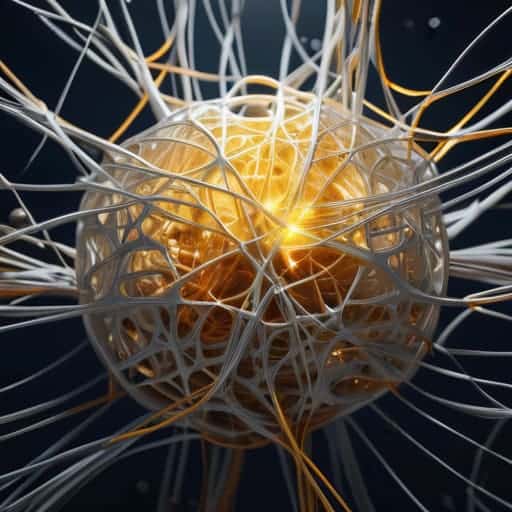
Think of your brain not as a single computer chip, but as a massive, chaotic web of interconnected wires. Most of the time, we’re stuck in “linear thinking”—grinding through a problem step-by-step like a slow-moving conveyor belt. But when you hit that wall, the real magic happens in the background. This is where neural networks and sudden understanding come into play. While you’re busy staring blankly at a spreadsheet or pacing the room, your subconscious is actually busy rerouting information, quietly testing new connections that your conscious mind hasn’t even considered yet.
This isn’t just a metaphor; it’s the neurobiology of sudden realization in action. During what researchers call the incubation period in creativity, your brain stops trying to force a solution and instead allows disparate pieces of data to drift toward one another. When those scattered nodes finally snap together, it’s like a bridge being built across a canyon in a split second. It’s that exhilarating moment where the mental fog clears, and the solution doesn’t just appear—it emerges from the complexity of your own internal wiring.
How to Hack Your Brain for More Breakthroughs
- Stop grinding. If you’re staring at a screen and nothing is happening, your prefrontal cortex is likely stuck in a loop. Step away. Go for a walk or wash the dishes. You need to let that “incubation period” happen so your subconscious can do the heavy lifting.
- Embrace the “shower effect.” Most people think those random ideas come from nowhere, but they actually happen when you switch to a low-effort, repetitive task. By lowering your cognitive load, you’re essentially clearing the traffic jam in your neural pathways.
- Change your scenery. If you always sit at the same desk, your brain associates that space with “the grind.” Moving to a coffee shop or even just a different room can trigger a shift in perspective that helps those disconnected dots finally snap together.
- Sleep on the problem. It sounds cliché, but your brain is busy reorganizing information while you dream. Sleep isn’t just downtime; it’s a massive neural cleanup and reconnection session that makes those “aha!” moments much more likely the next morning.
- Write the nonsense down. When you’re in the middle of a messy brainstorming session, don’t worry about being logical. Capture the weird, fragmented thoughts. Even if they don’t make sense now, you’re providing the raw material your brain needs to build a bridge to a real epiphany later.
The Cheat Sheet: What Your Brain Just Told You
Insight isn’t magic; it’s your prefrontal cortex finally stepping in to organize the chaos and make sense of the noise.
Those “aha!” moments happen when your brain stops grinding through logic and instead lets distant neural networks finally shake hands.
To trigger more breakthroughs, stop forcing the answer and give your brain the mental breathing room it needs to connect the dots on its own.
The Spark in the Wiring
“An ‘aha!’ moment isn’t some mystical gift from the universe; it’s the sound of your brain finally winning a high-stakes game of connect-the-dots.”
Writer
The Spark is Still Within You
So, what have we actually learned about that sudden mental lightning bolt? We’ve seen that an “aha!” moment isn’t just some mystical occurrence; it’s a high-speed, coordinated dance between your prefrontal cortex and your wider neural networks. It’s the physical reality of your brain rewiring itself in real-time to bridge the gap between confusion and clarity. When those disparate dots finally connect, it’s because your neurons have successfully navigated the complex terrain of your subconscious to deliver a finished product straight to your conscious mind. It is, quite literally, the sound of a mental gear finally clicking into place.
Moving forward, try to view those moments of intense frustration not as dead ends, but as the necessary tension before the breakthrough. The next time you feel stuck, remember that your brain is likely just doing the heavy lifting in the background, preparing the ground for the next big spark. Don’t fear the struggle; embrace the cognitive friction that precedes the lightbulb moment. Your brain is a restless, brilliant machine designed to find patterns in the chaos, and the most profound discoveries are often just one neurological leap away. Keep questioning, keep connecting, and keep waiting for the lightning.
Frequently Asked Questions
Can you actually train your brain to trigger these "aha!" moments more frequently?
Short answer? Yes, but you can’t force it. You can’t sit there and demand an epiphany, but you can definitely prime the pump. Think of it like gardening: you prepare the soil so the seeds have a chance to sprout. Techniques like “incubation”—stepping away from a problem to let your subconscious chew on it—or intentional divergent thinking can lower the barrier for those lightning bolts to strike. Stop grinding; start priming.
Why do these sudden insights often happen when we aren’t even thinking about the problem, like in the shower?
It’s the “shower effect,” and it’s actually a brilliant bit of biological luck. When you’re scrubbing your hair or staring blankly at a wall, your brain shifts into the “Default Mode Network.” You’ve essentially stopped micromanaging the problem, which lowers your cognitive guard. This relaxation allows those distant, wandering neural connections to finally shake hands without your conscious mind getting in the way and overthinking the process into a dead end.
Is there a biological reason why some people seem to have these breakthroughs more often than others?
It’s not just luck; there’s some serious biology at play. Think of it like having a high-speed fiber-optic connection versus an older dial-up setup. Some people naturally possess higher “neural plasticity”—basically, their brains are more agile at rewiring themselves on the fly. Factors like sleep quality, stress levels, and even your baseline dopamine sensitivity play huge roles. Essentially, some brains are just wired to find those shortcuts through the mental fog a little faster.

