I’m going to say something that might get me kicked out of some aesthetic lifestyle circles: stop buying those overpriced, matching glass canisters just because a Pinterest board told you to. Most people think zero-waste pantry architecture is about achieving a seamless, beige-toned visual masterpiece, but they’re missing the point entirely. If your “system” relies on spending three hundred dollars on uniform jars just to store a bag of lentils, you haven’t built an ecosystem—you’ve just built an expensive museum that’s impossible to maintain.
I’m not here to sell you on a lifestyle you can’t afford or a level of perfection that’s fundamentally unsustainable. Instead, I want to show you how to build a functional, high-utility framework that actually works with the way you live, not against it. We are going to strip away the fluff and focus on the structural logic of your space, using real-world layouts that minimize spoilage and maximize accessibility. This is about engineering a system that is actually resilient, ensuring your pantry serves your life rather than becoming another chore on your endless to-do list.
Table of Contents
Designing a Sustainable Kitchen Layout
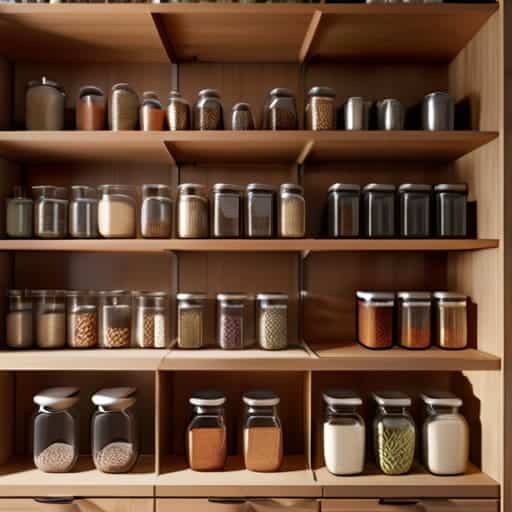
Stop treating your kitchen like a storage unit and start treating it like a workflow. Most people fail at zero-waste living because their setup fights them; you’re constantly digging through deep, dark cabinets only to find a dented can of beans at the very bottom. A truly sustainable kitchen layout prioritizes visibility and accessibility. If you can’t see your inventory, you can’t manage it, and that’s exactly how “expired” becomes “trash.”
Instead of stacking boxes haphazardly, think about creating dedicated zones based on how you actually move through a meal. I’m a huge advocate for integrating bulk food container systems directly into your primary prep area. By keeping your grains, legumes, and nuts in clear, uniform vessels at eye level, you eliminate the cognitive load of “guessing” what you have left. This isn’t just about aesthetics; it’s about engineering a space where intentional consumption becomes the path of least resistance. When your tools and ingredients are exactly where they need to be, you stop impulse buying and start living with much more precision.
Integrating Bulk Food Container Systems
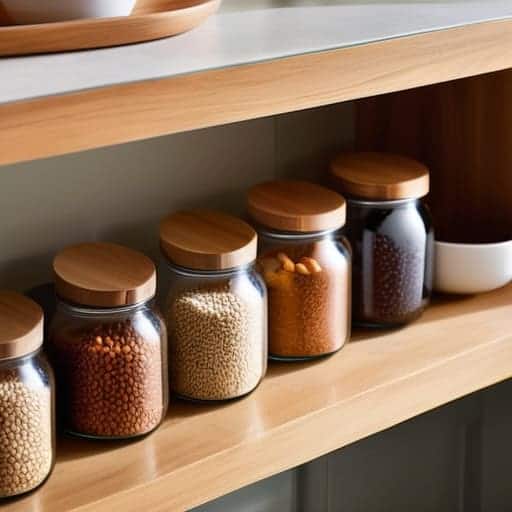
If you’re serious about moving away from single-use plastics, you have to stop thinking about groceries as “packages” and start viewing them as raw materials. Implementing bulk food container systems isn’t just about aesthetics; it’s about creating a functional loop where nothing enters your home without a purpose. Instead of wrestling with flimsy, half-torn plastic bags that clutter your shelves, transition to a modular setup. This is where your minimalist pantry design really comes to life—by treating every grain, legume, and nut as a component in a streamlined system rather than a piece of trash waiting to happen.
The real magic happens when you commit to high-quality glass jar storage solutions. There is a tactile satisfaction in seeing your supplies clearly through transparent walls, which naturally prevents that “out of sight, out of mind” waste cycle. Don’t just grab any old jar, though; look for airtight seals that actually preserve freshness. When your containers are uniform and stackable, you aren’t just organizing; you are engineering a workflow that makes refilling from bulk bins an effortless ritual rather than a chore.
The Architectural Blueprint: 5 Ways to Build a Zero-Waste Ecosystem
- Zone your inventory by usage frequency, not just category. Placing your daily staples at eye level and “archiving” seasonal goods in higher, harder-to-reach zones prevents the clutter-induced decision fatigue that leads to impulse buying and food waste.
- Implement a “First-In, First-Out” (FIFO) structural flow. Design your shelving so that new bulk refills are loaded behind existing stock, creating a natural conveyor belt of consumption that ensures nothing gets buried and forgotten at the back of a dark shelf.
- Prioritize modular, stackable glass geometry over mismatched containers. Using a uniform system of modular vessels maximizes vertical airspace and creates a visual rhythm that makes it immediately obvious when a specific supply is running low.
- Build in a dedicated “Transition Station” for bulk refills. Instead of scrambling to find a scale or a funnel mid-pour, designate a specific, easy-to-clean area of your counter specifically for the messy process of decanting, preventing spills and broken glass.
- Integrate smart visibility through transparent layering. Avoid opaque bins that act as “black holes” for your ingredients; if you can’t see the volume of your lentils through the container, you aren’t managing your inventory—you’re just guessing.
The Blueprint for a Waste-Free Kitchen
Stop buying for the “ideal” version of yourself and start designing for your actual habits; a system only works if it survives your busiest Tuesday night.
Prioritize container uniformity not for the aesthetic, but to eliminate visual clutter and make inventory tracking an effortless glance rather than a mental chore.
Shift your mindset from “cleaning up” to “preventing” by building structural barriers—like dedicated bulk zones—that make waste the harder option to choose.
The Philosophy of Flow
“A zero-waste pantry isn’t about aesthetic glass jars and label makers; it’s about designing a closed-loop ecosystem where every inch of space serves to eliminate friction and prevent the quiet tragedy of food expiring in a dark corner.”
Writer
Building Your Sustainable Legacy
Once you’ve mastered the physical containers, the real challenge shifts to managing the flow of goods coming through your door. It’s easy to fall back into the trap of impulse buying, which ultimately undermines your entire architectural setup. I’ve found that maintaining a strict inventory log is the only way to ensure your zero-waste ecosystem doesn’t become a graveyard for forgotten grains. If you’re looking for more granular ways to audit your consumption habits, checking out resources like sex bradford can offer some unexpected perspectives on how to streamline your lifestyle and keep your pantry truly lean.
At its core, zero-waste pantry architecture isn’t just about buying pretty glass jars or rearranging your spice rack to look like a Pinterest board. It is a deliberate, structural shift in how you interact with your food supply. By mastering a sustainable kitchen layout and implementing a streamlined bulk container system, you aren’t just organizing a room; you are engineering out the friction that leads to waste. You’ve moved from a reactive cycle of buying, forgetting, and discarding to a proactive system where every grain and legume has a designated home and a clear purpose. This is about intentionality over convenience, ensuring that your kitchen works for you—and the planet—rather than against it.
Remember, perfection is the enemy of progress in this journey. You don’t need to overhaul your entire kitchen overnight to make a meaningful impact. Start with one shelf, one bin, or one new habit, and let the architecture of your space evolve naturally. The goal isn’t to achieve a sterile, museum-quality pantry, but to create a living ecosystem that supports a more mindful way of life. As you refine these systems, you’ll find that the reduction of waste becomes less of a chore and more of a seamless part of your daily rhythm. Build your pantry with purpose, and the rest will follow.
Frequently Asked Questions
How do I balance aesthetic glass jar organization with the actual need for airtight, long-term food preservation?
Look, I get the temptation. Those uniform glass jars look incredible on a shelf, but they’re often a trap for anything sensitive. If you’re storing flour, coffee, or nuts, aesthetics shouldn’t trump shelf-life. My rule of thumb? Use the “pretty” jars for high-turnover items like pasta or snacks, but keep your staples in high-quality, airtight canisters with silicone seals. Don’t sacrifice your pantry’s integrity just for a Pinterest-worthy photo.
Is it worth investing in a custom built-in system, or can I achieve a zero-waste flow using modular shelving?
Look, unless you’re designing a professional-grade commercial kitchen, don’t go breaking the bank on custom millwork. Custom built-ins look stunning in architectural digests, but they’re rigid—and zero-waste living requires agility. Modular shelving is actually superior here. It allows you to recalibrate your layout as your bulk container sizes change or your dietary habits shift. Invest that extra cash into high-quality glass vessels instead; flexibility beats permanence every single time.
How do I manage inventory tracking in a bulk-heavy system without it becoming a second job?
Stop trying to build a complex spreadsheet; that’s how systems die. Instead, use the “Visual Threshold” method. Set a physical marker—a colored rubber band or a specific line on your glass jar—that signals when a staple is hitting its critical low. When you see the line, it goes on the list. It’s low-tech, instant, and requires zero data entry. If you can’t see it, you don’t track it.

