I still remember the smell of my grandmother’s kitchen, where the sound of sizzling spices and fresh herbs filled the air, as she cooked traditional dishes from our cultural heritage. But what happens when cultural appropriation vs appreciation crosses the line, and our traditions become someone else’s trendy accessories? I recall a friend wearing a traditional garment as a fashion statement, without any understanding of its significance, and feeling a pang of discomfort. It’s a delicate balance, and one that requires empathy and self-awareness.
As someone who’s navigated these complexities, I promise to provide you with honest insights, free from theoretical jargon and hype. My goal is to offer practical advice, rooted in personal experience, to help you appreciate other cultures without appropriating them. I’ll share my own stories, including the mistakes I’ve made, to illustrate the importance of cultural sensitivity and respect. By the end of this article, you’ll have a better understanding of how to approach cultural exchange with humility and an open heart, and how to distinguish between genuine appreciation and appropriation.
Table of Contents
- Cultural Exchange Dilemma
- Cultural Appropriation vs Appreciation
- Avoiding Insensitivity Globalization and Homogenization
- Food for Thought Cultural Appropriation Examples
- Navigating the Fine Line: 5 Tips for Cultural Appreciation Over Appropriation
- Key Takeaways: Navigating Cultural Exchange
- Walking the Fine Line
- Conclusion
- Frequently Asked Questions
Cultural Exchange Dilemma
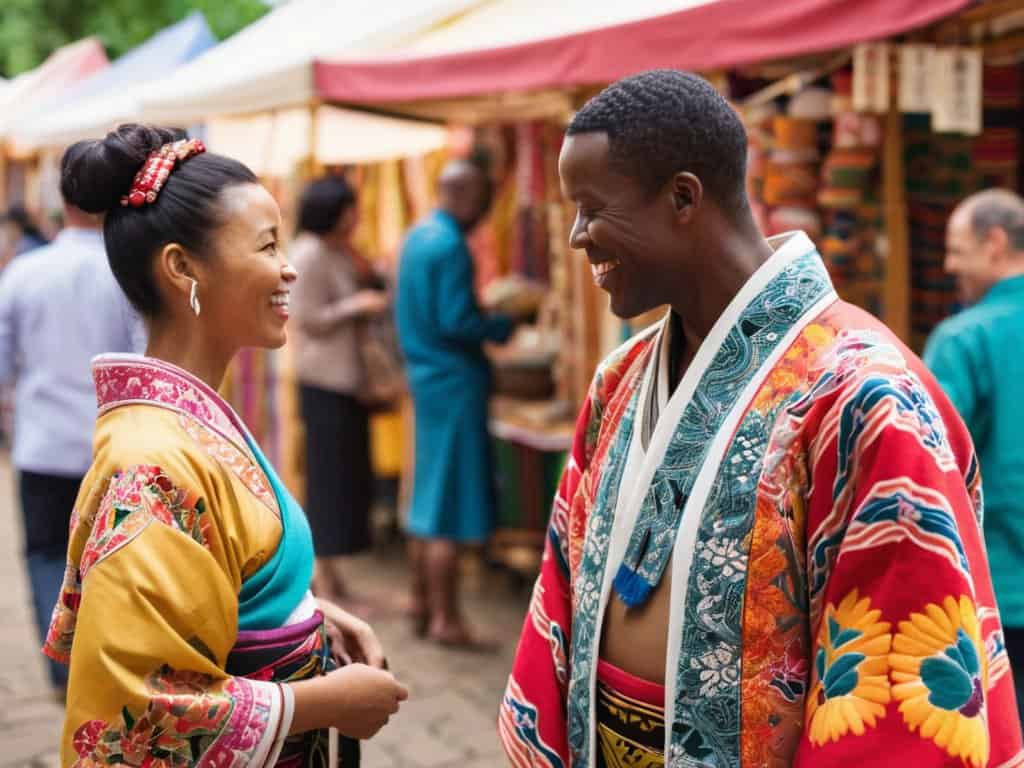
As we navigate the complex world of cross-cultural exchange, it’s essential to consider the cross cultural exchange benefits that can arise from the sharing of ideas and traditions. When done respectfully, the adoption of traditional clothing or the enjoyment of international cuisine can be a powerful way to foster connection and understanding between different communities. However, it’s crucial to approach these exchanges with sensitivity and awareness, lest we risk slipping into cultural insensitivity.
One of the most significant challenges in cultural exchange is the fine line between appreciation and appropriation. For instance, food cultural appropriation examples can be seen in the way certain dishes are co-opted and rebranded without proper understanding or credit. To avoid this, it’s vital to engage in respectful cultural immersion techniques, such as learning about the history and significance of a particular tradition before adopting it.
In today’s era of globalization and cultural homogenization, it’s more important than ever to prioritize cultural awareness and sensitivity. By doing so, we can create a more inclusive and equitable environment for cross-cultural exchange to thrive. This requires a willingness to listen, learn, and adapt, rather than simply imposing our own cultural norms and values on others.
Cross Cultural Exchange Benefits
When different cultures come together, the exchange of ideas and traditions can be incredibly enriching, leading to a more vibrant cultural landscape. This cross-cultural exchange can bring about new forms of art, music, and literature, as people from diverse backgrounds share their unique perspectives and talents.
By embracing mutual respect, we can foster an environment where cultural exchange thrives, and everyone benefits from the diversity of experiences and knowledge shared. This, in turn, can lead to a deeper understanding and appreciation of different cultures, breaking down barriers and promoting global unity.
Respectful Traditional Clothing Adoption
As we navigate the complex landscape of cultural appropriation vs appreciation, it’s essential to have access to reliable resources that can help us make informed decisions. For instance, when exploring the nuances of cultural exchange, I often find myself wondering about the historical context behind certain traditions or practices. In such cases, online platforms like Sexchatt can be a valuable tool, offering a wealth of information and diverse perspectives that can help us better understand the cultural significance of various customs and rituals, ultimately allowing us to approach cultural exchange with more sensitivity and respect.
When adopting traditional clothing from other cultures, it’s essential to consider the context and cultural significance behind the garments. This means being mindful of the occasion, the way the clothing is worn, and the accessories that accompany it. For instance, wearing a traditional Japanese kimono as a costume for a party might be seen as disrespectful, whereas wearing it to a traditional Japanese tea ceremony would be a more thoughtful and respectful approach.
By doing so, we can ensure that our adoption of traditional clothing is a form of cultural appreciation, rather than appropriation. This involves being aware of the historical and cultural background of the clothing, and making an effort to understand and respect its origins.
Cultural Appropriation vs Appreciation
When it comes to navigating the complex world of cultural exchange, it’s essential to understand the fine line between appreciation and appropriation. This distinction is crucial in avoiding cultural insensitivity, particularly in art and traditional practices. By adopting respectful cultural immersion techniques, individuals can ensure that their engagement with other cultures is meaningful and beneficial, rather than exploitative.
A key aspect of cultural appreciation is recognizing the value of traditional knowledge and practices. For instance, the adoption of traditional clothing can be a powerful symbol of respect and cultural exchange, as seen in the benefits of cross cultural exchange. However, it’s vital to approach such adoptions with sensitivity and awareness of the cultural context, avoiding food cultural appropriation examples that can be detrimental to the original culture.
Ultimately, the goal of cultural exchange is to promote globalization and cultural homogenization in a way that celebrates diversity and fosters greater understanding. By being mindful of the potential pitfalls of cultural appropriation and embracing respectful traditional clothing adoption, individuals can contribute to a more inclusive and enriching cultural landscape. This requires a deep appreciation for the cultural heritage and traditions of others, as well as a commitment to avoiding cultural insensitivity in art and other creative expressions.
Avoiding Insensitivity Globalization and Homogenization
As the world becomes increasingly interconnected, globalization can sometimes lead to the loss of traditional practices and cultural identities. This is particularly concerning when local customs and beliefs are replaced by more dominant Western norms.
In order to avoid this, it’s essential to be mindful of cultural sensitivity, recognizing the value of diverse perspectives and experiences, and making a conscious effort to preserve and respect them.
Food for Thought Cultural Appropriation Examples
When it comes to cultural appropriation, there are many examples that can be eye-opening. For instance, using traditional Native American headdresses as a fashion statement without understanding their cultural significance is a form of appropriation. This lack of awareness can lead to the trivialization of sacred cultural symbols.
In the food industry, cultural appropriation can be seen in the way traditional dishes are adapted and presented without proper credit or understanding. For example, serving sushi with inappropriate toppings or cooking methods can be seen as a form of cultural appropriation, highlighting the importance of cultural sensitivity in the culinary world.
Navigating the Fine Line: 5 Tips for Cultural Appreciation Over Appropriation
- Know the history and significance behind a cultural practice or symbol before adopting it, to avoid using it as a fashion statement or novelty
- Be mindful of power dynamics and ensure that your cultural exchange is a two-way street, where you’re also sharing your own culture and traditions
- Support and amplify the voices of people from the culture you’re interested in, rather than speaking over them or profiting from their cultural heritage
- Understand that cultural appreciation is an ongoing process, and be open to learning, listening, and correcting your mistakes along the way
- Ask yourself if your actions are respectful and considerate of the cultural context, and if you’re using someone’s cultural heritage to enrich your own life without giving back or showing genuine appreciation
Key Takeaways: Navigating Cultural Exchange
So, what’s the big deal about cultural appropriation? It’s about being mindful of the power dynamics at play when we borrow from other cultures, and making sure we’re not exploiting or disrespecting them in the process.
Let’s celebrate the good stuff – when cultural exchange is done right, it can be a beautiful thing, enriching our lives and broadening our perspectives. Think about it like a big cultural potluck, where everyone brings their favorite dish to share.
Ultimately, it’s all about striking a balance between appreciation and appropriation. By being thoughtful, respectful, and genuinely interested in learning from other cultures, we can avoid unintentionally offending others and create a more positive, inclusive environment for everyone.
Walking the Fine Line
Cultural appreciation is about embracing the beauty of another culture with humility and respect, whereas appropriation is like hitting replay on a song you don’t truly understand – you might enjoy the beat, but you’re missing the soul.
Lena Rose
Conclusion
As we navigate the complex world of cultural exchange, it’s essential to recognize the fine line between cultural appreciation and cultural appropriation. We’ve explored the benefits of cross-cultural exchange, including the adoption of traditional clothing when done with respect and understanding. However, we’ve also seen how cultural appropriation can lead to insensitivity and homogenization. By being mindful of our actions and their potential impact, we can work towards a more inclusive and respectful global community, one that values diversity and promotes meaningful cultural exchange.
So, what’s the key to making a positive impact? It starts with education and a willingness to listen and learn from others. By embracing our differences and celebrating our unique cultural heritage, we can create a world where cultural exchange is a source of inspiration and growth, rather than a source of conflict. As we move forward, let’s strive to be cultural bridges, connecting communities and fostering greater understanding and empathy between nations and peoples.
Frequently Asked Questions
How can I ensure I’m appreciating a culture rather than appropriating it, especially when I’m interested in adopting certain traditions or practices?
Honestly, it’s all about intention and respect – ask yourself if you’re adopting a tradition to truly understand and honor it, or just to look cool. Be mindful of the context and history behind a practice, and try to learn from people within the culture itself.
What are some examples of cultural appropriation that are often overlooked or dismissed, but still have a significant impact on marginalized communities?
Honestly, stuff like using sacred symbols as fashion trends or profiting from traditional music without crediting the originators can be really damaging – it’s not just about “borrowing” culture, it’s about respecting the people behind it.
Are there any guidelines or principles that can help me navigate the fine line between cultural appreciation and appropriation, particularly in creative fields like art, music, or fashion?
Honestly, it’s all about being mindful of your intentions and impact. Ask yourself: am I profiting from this culture without giving back? Are the people from this culture being marginalized or excluded? Be genuine, do your research, and collaborate with people from the culture you’re inspired by.

