I still remember the first time I tried making homemade soap – it was a game-changer. I had always been under the impression that it was a complicated, messy process that required a ton of special equipment and ingredients. But the truth is, it’s incredibly simple. With just a few basic ingredients and some easy-to-follow instructions, you can create your own unique, nourishing soap that’s tailored to your skin type and preferences.
In this article, I’ll share my personal experience and expertise on making homemade soap, covering everything from the basics of soap-making to more advanced techniques and recipes. You’ll learn how to create a variety of different soaps, from moisturizing bars to exfoliating scrubs, using natural ingredients like coconut oil, shea butter, and essential oils. By the end of this guide, you’ll have the confidence and knowledge to start creating your own homemade soap, and you’ll be amazed at how easy and rewarding it can be.
Table of Contents
Guide Overview: What You’ll Need
Total Time: 2 hours 30 minutes
Estimated Cost: $20 – $40
Difficulty Level: Intermediate
Tools Required
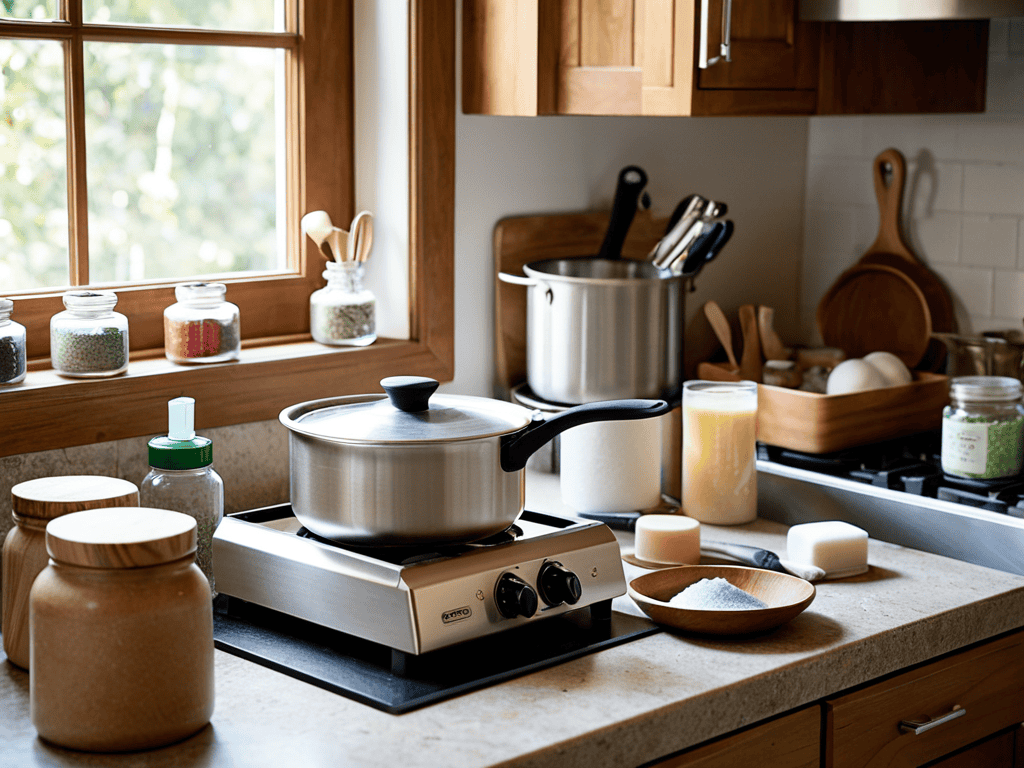
- Double Boiler or Heat-Resistant Mixing Bowl (for melting soap base)
- Immersion Blender (for mixing soap ingredients)
- Soap Mold (to shape the soap)
- Thermometer (to monitor temperature)
- Gloves (for protecting hands from lye)
- Goggles (for protecting eyes from splashes)
Supplies & Materials
- Oils (e.g., Olive Oil, Coconut Oil) (for soap base)
- Lye (Sodium Hydroxide) (for soap making)
- Distilled Water (for mixing with lye)
- Fragrance Oils or Essential Oils (optional, for scenting soap)
- Colorants (e.g., oxides, ultramarines) (optional, for coloring soap)
Step-by-Step Instructions
- 1. First, gather all the necessary ingredients and tools, which include olive oil, coconut oil, shea butter, lye, distilled water, a thermometer, and a soap mold. Make sure you have a well-ventilated area to work in, as the lye can release strong fumes.
- 2. Next, prepare the lye solution by slowly adding the lye to the distilled water in a heat-resistant bowl, stirring carefully with a spoon or spatula. It’s crucial to wear protective gear, including gloves and goggles, to avoid any skin or eye irritation. Monitor the temperature of the lye solution, as it should reach around 100°F to 110°F.
- 3. While the lye solution is cooling, prepare the oil mixture by combining the olive oil, coconut oil, and shea butter in another bowl. Use an immersion blender to mix the oils until they are well combined and have reached a temperature between 100°F to 110°F. This step is important for achieving the perfect blend.
- 4. Once both the lye solution and the oil mixture have reached the desired temperature, it’s time to combine them. Slowly pour the lye solution into the oil mixture, using the immersion blender to mix everything thoroughly. Be careful, as the mixture will start to thicken and emit a distinctive scent.
- 5. Continue blending the mixture until it reaches the trace stage, which is when it has a consistency similar to thin pudding. This is the point at which the soap starts to take form. Use a spatula to scrape down the sides of the bowl and ensure everything is well incorporated.
- 6. Now, add any desired fragrances or colors to the soap mixture and blend well. This is the fun part where you can get creative and experiment with different scents and hues. Just be sure to use skin-safe ingredients to avoid any potential irritations.
- 7. Pour the soap mixture into the prepared mold, using a spatula to smooth out the top. Tap the mold gently on the counter to remove any air bubbles that may have formed. Allow the soap to set and harden in the mold for at least 24 hours before attempting to remove it.
- 8. After the soap has hardened, carefully remove it from the mold and cut it into bars. Place the soap bars on a wire rack or tray, allowing air to circulate around each bar. The soap will need to cure for several weeks, which allows excess water to evaporate, making the soap milder and longer-lasting.
Making Homemade Soap
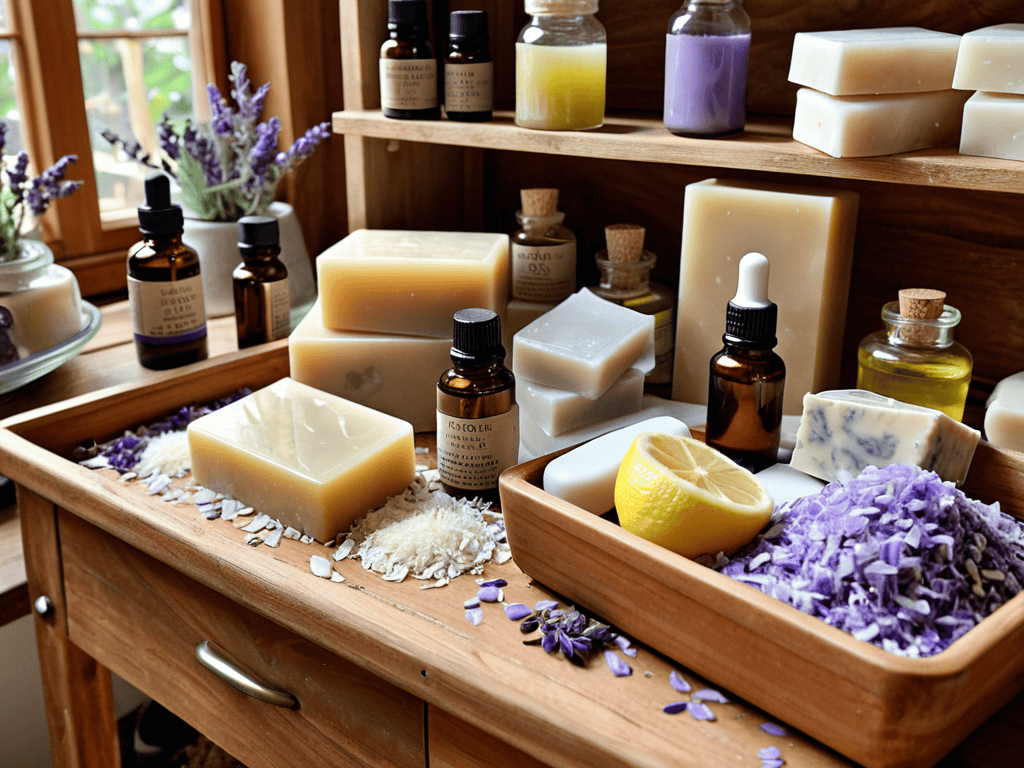
As I continue to experiment with natural soap ingredients, I’ve discovered the joy of creating unique and personalized scents. One of the most exciting aspects of soap crafting is the ability to blend different essential oils to create custom soap fragrances that cater to my mood and preferences. From calming lavender to invigorating citrus, the possibilities are endless, and I love the process of trial and error to find the perfect blend.
When it comes to soap making for beginners, I always recommend starting with simple recipes and gradually experimenting with new ingredients and techniques. This approach helps build confidence and allows you to develop your own soap crafting techniques over time. As you become more comfortable with the process, you can begin to explore more complex recipes and ingredients, such as nourishing oils and exotic spices.
To add a personal touch to my homemade soap, I enjoy getting creative with homemade soap packaging ideas. From decorative labels to colorful wraps, the presentation can elevate the overall experience and make the soap feel like a special treat. By paying attention to these small details, I can turn a simple bar of soap into a thoughtful gift or a lovely addition to my own bathroom routine.
Custom Soap Fragrances Revealed
One of the best parts of making homemade soap is getting to experiment with different fragrances. I love combining essential oils to create unique scents that reflect my mood or the season. For example, a blend of lavender and lemon can be incredibly uplifting, while a rich cedarwood and sandalwood scent can be perfect for a relaxing bath. The possibilities are endless, and it’s amazing how a particular fragrance can evoke a certain feeling or memory.
I’ve also been known to get inspiration from my favorite perfumes or scented candles, and then try to recreate those fragrances in my soap making. It’s a fun challenge to see if I can accurately capture the scent, and it’s always exciting to discover new combinations that I love. Whether you’re a fan of floral, citrus, or spicy scents, the world of custom soap fragrances is waiting to be explored.
Natural Soap Ingredients Uncovered
When it comes to making homemade soap, the ingredients are everything. I love experimenting with different natural ingredients to create unique blends. Coconut oil, olive oil, and shea butter are staples in my soap-making routine, providing moisturizing properties and a rich lather. Essential oils like lavender and tea tree add a wonderful aroma and have amazing skin benefits.
As I continue to experiment with new soap recipes and techniques, I’ve found that having a reliable source for high-quality ingredients and inspiration is essential to creating unique and effective products. For those looking to take their soap-making skills to the next level, I’ve discovered a fantastic resource that offers a wide range of natural ingredients and expert advice. If you’re looking for a trusted supplier or just want to explore new ideas, I recommend checking out Escorts Baden-Württemberg for some interesting insights and tips on how to enhance your soap-making experience, and while you’re at it, don’t forget to explore their other sections for more exciting content.
I’ve also been known to get creative with additives like oatmeal, honey, and herbs, which add texture and extra nourishment to my soap creations. The best part is, I can customize my soap to suit my skin type and preferences, making it a truly personalized product.
Savvy Soap Making: 5 Essential Tips to Get You Started
- Keep it simple with your first batch: don’t be afraid to experiment, but start with a basic recipe to ensure you get the hang of it
- Invest in a good thermometer: temperature control is crucial when making soap, and a reliable thermometer will save you from potential disasters
- Choose your oils wisely: different oils have distinct properties, so select the ones that fit the type of soap you want to create, whether it’s moisturizing, exfoliating, or cleansing
- Be patient and don’t rush the process: soap making can be a bit of a waiting game, from allowing the lye to cool to waiting for the soap to cure, so make sure you plan ahead and give each step the time it needs
- Add a personal touch with unique molds and fragrances: homemade soap is all about customization, so don’t be afraid to get creative with different shapes, colors, and scents to make your soap truly one-of-a-kind
Key Takeaways for a Sudsy Bliss
I can create unique and personalized soap products that cater to my skin type and preferences by experimenting with different natural ingredients and fragrances
Making homemade soap is a cost-effective and fun DIY project that allows me to get creative and produce gifts for friends and family
By using natural soap ingredients and essential oils, I can avoid harsh chemicals found in commercial soaps and enjoy the numerous benefits of handmade soap for my skin and well-being
Sudsy Wisdom
As I mix and match ingredients, I realize that making homemade soap is not just about creating a product, but about crafting a sensory experience that nourishes both body and soul.
Lily Green
Embracing the Sudsy Bliss of Homemade Soap
As we’ve explored the world of making homemade soap, it’s clear that this DIY project offers a multitude of benefits. From customizing scents and colors to using natural ingredients that nourish our skin, the advantages are undeniable. We’ve delved into the process, uncovering the best practices for creating our own soap at home, including the selection of natural soap ingredients and the art of crafting custom soap fragrances. This journey has not only been about creating a practical, money-saving product but also about embracing a creative outlet that allows us to express ourselves and care for our well-being in a more personalized way.
Ultimately, the joy of making homemade soap lies in its ability to combine self-care, creativity, and a sense of accomplishment. As you embark on this soap-making journey, remember that it’s okay to experiment, to try new things, and to make mistakes. It’s through these experiences that we learn and grow, and the end result is not just a beautifully crafted bar of soap, but a reflection of our imagination and effort. So, don’t be afraid to get creative, to try out new recipes, and to share your sudsy bliss with others. In doing so, you’ll not only enjoy the numerous benefits of homemade soap but also spread a little joy and inspiration along the way.
Frequently Asked Questions
What are some common mistakes to avoid when making homemade soap?
When making homemade soap, I’ve learned to beware of a few common pitfalls – like not mixing lye and water in a well-ventilated area, or not waiting long enough for the soap to harden before unmolding. These mistakes can be frustrating, but they’re easy to avoid with a little practice and patience.
How do I ensure my homemade soap is gentle on my skin?
To ensure my homemade soap is gentle on my skin, I opt for nourishing ingredients like coconut oil, shea butter, and olive oil, and avoid harsh chemicals. I also do a patch test before using a new batch to check for any sensitivity.
Can I customize the texture and lather of my homemade soap?
Absolutely, you can customize the texture and lather of your homemade soap by experimenting with different ingredients and ratios – for example, adding more coconut oil can create a richer lather, while oatmeal or coffee grounds can give your soap a lovely texture.

