Here’s the thing about glass etching: it’s like that time I decided to replace the brakes on an old Chevy with nothing but a wrench and a YouTube video. It seemed simple enough—grab some cream, slap on a stencil, and voilà! But much like the Chevy, reality hit hard. The glass didn’t magically transform into a masterpiece; instead, it looked like I let my nephew loose with finger paints. But hey, that’s the beauty of diving into something new. You embrace the mess, the mistakes, and hopefully, you end up with something worth bragging about—or at least something that doesn’t look like a tragic accident.
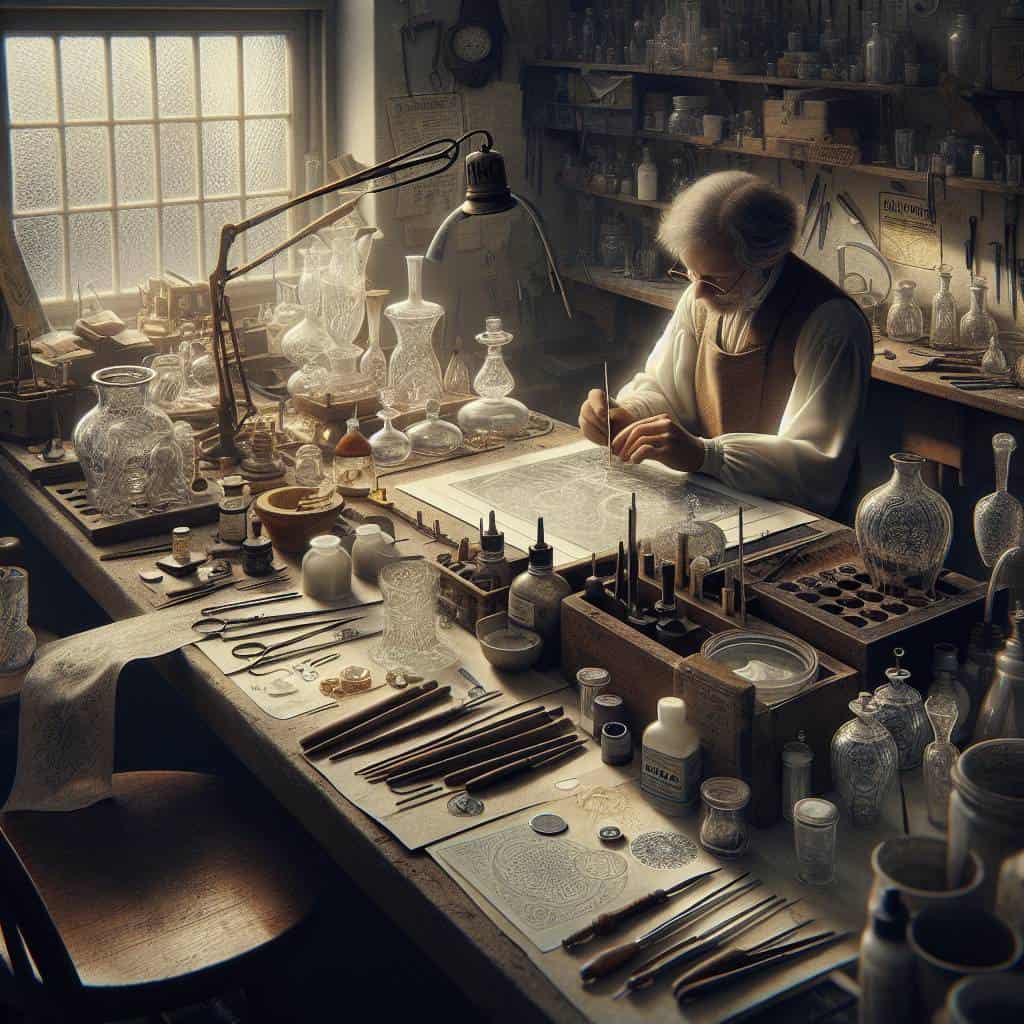
So, if you’re ready to roll up your sleeves and venture into the world of glass etching, I’m here to spill the beans. We’ll dig into the nitty-gritty of choosing the right cream, the headache of finding stencils that won’t betray you, and making sure you don’t sacrifice safety in the name of art. By the end, you might just turn those bland gifts into something with a bit more soul—or at least, a lot more character. Let’s get our hands dirty.
Table of Contents
- My Lifelong Struggle With Stencil-Induced Epiphanies
- The Cream of the Crop: Choosing the Right Tools
- Safety First, Creativity Second: Avoiding Glass Etching Disasters
- Glass Etching: Turning Mundane Into Memorable Without Losing a Finger
- Glass Etching: The Real Deal on Crafting Gifts
- Etching Reality
- Glass Etching: The Gritty FAQ You Didn’t Know You Needed
- Etched Reflections
My Lifelong Struggle With Stencil-Induced Epiphanies
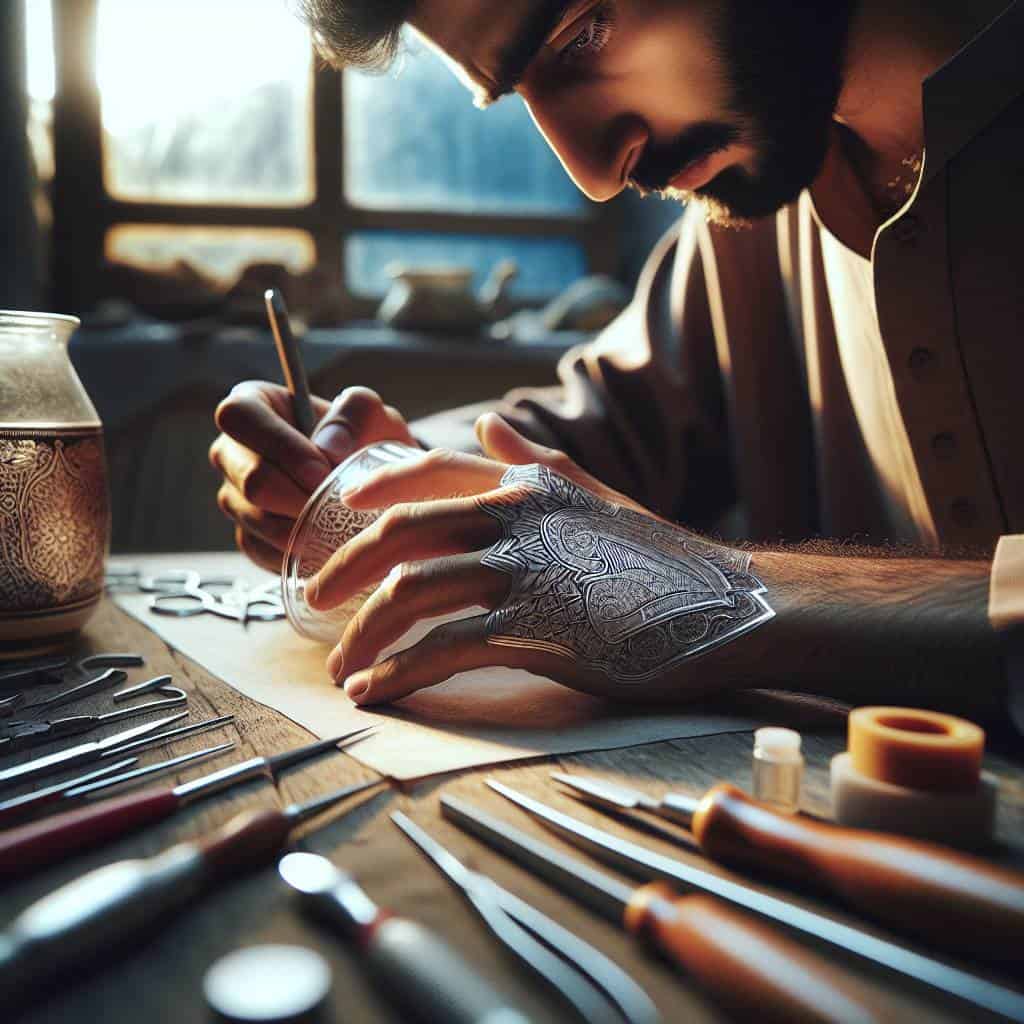
I’ve been grappling with stencils like an ornery carburetor since the first time I tried to etch my name onto a glass mug. You see, in my world, precision is everything. Engines and glass etching have more in common than you’d think. If you misalign a gasket, your car might sputter; if your stencil slips, well, your elegant design turns into something that looks like the aftermath of a toddler’s finger-painting session. There I was, armed with etching cream, a stack of stencils, and a vision of personalized glory, only to find myself in the midst of a stencil-induced epiphany: perfection is more of a myth than a reality.
Here’s the rub. Stencils promise an orderly path to creativity, a neat little blueprint for getting from point A to point B. But let’s be honest—when has anything worth doing ever been that simple? My lifelong battle with these rigid, plastic fortunes has taught me that glass etching isn’t just about the final product. It’s about the process. The slip of the stencil, the unexpected drip of cream—these aren’t failures; they’re the raw, unvarnished truth of creation. And as with any good project, safety is key. Gloves on, goggles secure, because that cream is no joke. Trust me, once you’ve felt the burn of etching cream on your skin, you’ll never forget it.
In every stencil-induced epiphany, there’s a lesson. Much like fixing a stubborn engine, it’s about patience, precision, and knowing when to let go of control. You learn to embrace the chaos, to see the beauty in the imperfections. And sure, the outcome might not always be the perfect etched masterpiece you envisioned, but it’s yours—flaws, character, and all. Just like the engines I love to tinker with, every piece tells a story. So, slap on that cream, align that stencil (or don’t), and let your glass gifts speak your truth, one flawed etching at a time.
The Cream of the Crop: Choosing the Right Tools
When it comes to choosing the right tools, it’s not just about picking something off the shelf and hoping for the best. It’s like being a detective in your own workshop. You’ve got to dig in, get your hands dirty, and really understand what each tool can do for you. I’ve spent years surrounded by the hum of engines and the clang of metal, learning that the right tool can make or break a job. Ever tried using a cheap wrench that slips at the worst possible moment? Yeah, me too. That’s a lesson you only need once.
The real trick is to find tools that feel like an extension of your own hands. It’s like they become part of your personal toolkit of life, each one telling its own story of sweat and triumph. Forget the shiny marketing promises; what you need is reliability that won’t back down when things get tough. The best tools don’t just do the job—they teach you something in the process. So, don’t settle. Whether it’s a wrench, a stencil, or a life lesson, make sure it’s the cream of the crop. Because in my world, and hopefully in yours too, the right tool isn’t just a choice. It’s a necessity.
Safety First, Creativity Second: Avoiding Glass Etching Disasters
Here’s the thing about glass etching: it’s all fun and games until you find yourself with a chemical burn, or your masterpiece shatters into a pile of shards. You might think it’s just about slapping on some cream and crossing your fingers, but trust me, there’s a whole lot more at stake. Safety goggles aren’t just a fashion statement, and gloves? Non-negotiable. We’re dealing with etching cream here, not whipped cream. This stuff can eat through glass, so imagine what it can do to your skin. Treat it like the dangerous weapon it is, because one slip-up and you’re on the fast track to a permanent reminder of your artistic endeavors.
And let’s talk about the glass itself. Not all glass takes kindly to etching. If you’re not careful, you’ll find yourself holding a bunch of jagged pieces instead of a personalized masterpiece. Always check for any chips or cracks before you even think about starting. A small flaw can turn into a disaster when the cream gets involved. Trust me, I’ve learned the hard way. It’s all about respecting the material and knowing your limits. So, before you unleash your inner artist, make sure you’ve got your safety gear on and a solid understanding of what you’re working with. Otherwise, you’re just asking for trouble.
Glass Etching: Turning Mundane Into Memorable Without Losing a Finger
- Let’s get real: if you’re using etching cream, wear gloves unless you want a chemistry lesson on skin irritation.
- Stencils are your secret weapon, but don’t just go for the generic ones—unless you’re aiming for ‘I tried, but not really’.
- Not all glass items are created equal; test your etching cream on a scrap piece first, unless you like surprises that end in shattered glass.
- Safety goggles aren’t just for lab nerds—protect those peepers or risk turning your project into a trip to the ER.
- Remember, the etching process doesn’t care about your impatience; give it time to work its magic or prepare for a disappointing reveal.
Glass Etching: The Real Deal on Crafting Gifts
Etching cream: Handle it like you would a feral cat—carefully and with respect. This stuff can mess up your glass and your skin, so gloves and goggles aren’t optional, they’re mandatory.
Stencils: Think of them as your cheat sheet. But don’t expect miracles if you slap them on carelessly. Take your time, align them right, and press those edges down. Otherwise, you’ll end up with a blurry mess that screams ‘I gave up halfway.’
Items to etch: Not every glass is created equal. Cheap glass might just shatter your dreams and your project if it’s too thin. Do yourself a favor and pick something sturdy enough to handle the pressure.
Etching Reality
Glass etching isn’t about perfection—it’s about embracing the chaos of cream and stencils, and turning safety into an art form.
Glass Etching: The Gritty FAQ You Didn’t Know You Needed
What’s the deal with etching cream? Is it safe?
Etching cream is basically a concoction of chemicals that eats away at glass, creating that frosted look. It’s not child’s play—this stuff can burn your skin and eat through your workbench if you’re not careful. Gloves and goggles are your best friends here. Treat it with respect.
Do I really need stencils, or can I freehand this thing?
Stencils are like training wheels for your etching journey. Unless you’re Picasso with a steady hand, stencils save you from ending up with a design that screams ‘I gave up halfway through.’ They keep your lines crisp and your sanity intact.
What kind of items can I etch without totally ruining them?
Stick to flat glass surfaces to start—think mirrors, windows, or glassware. Leave the family heirlooms alone until you’re confident you won’t turn them into abstract disasters. Practice on thrift store finds first; trust me, it’s worth it.
Etched Reflections
At the end of the day, my journey with glass etching has been like trying to fix an old carburetor—messy, frustrating, but oddly satisfying when everything clicks into place. There’s something raw about taking a piece of glass and transforming it into something unique, even if it means dealing with the chaos of cream and stencils. And the safety goggles? They’re not just for show. Trust me, I’ve had enough close calls to know that safety isn’t just a suggestion—it’s a necessity.
Looking back, I’ve realized that glass etching is a lot like life. It’s unpredictable, often veering off course, but with a little grit and determination, you end up with something worth the effort. Every etched line is a reminder of the sweat and patience it took to get there. So, if you’re ready to dive in, just remember: embrace the imperfections, respect the process, and don’t be afraid to leave your mark—literally. Now, get out there and make something unapologetically yours.
Here’s a wild thought—while you’re busy trying to turn glass into something that screams “I actually care,” maybe you should also explore the art of meaningful connection. Because let’s be honest, sometimes a personalized gift is just the start of a conversation. If you’re curious about expanding those horizons, check out Geile Frauen, where you can chat with local ladies in Germany. Who knows? You might find that the real masterpiece is the interaction itself, not just the etched glass.

