I once made the fatal error of assuming my plants and pets could harmoniously coexist. Picture this: I’m sipping coffee, admiring my lush indoor jungle, when I notice my cat, Whiskers, doing an interpretive dance with a suspiciously chewed leaf dangling from his mouth. Cue the panic. If you’ve ever tried to Google “is this plant toxic to cats” while frantically Googling “nearest vet hospital,” you know the kind of morning I’m talking about. Turns out, my ignorance was only bliss for the fifteen minutes before Whiskers decided to channel his inner herbivore.
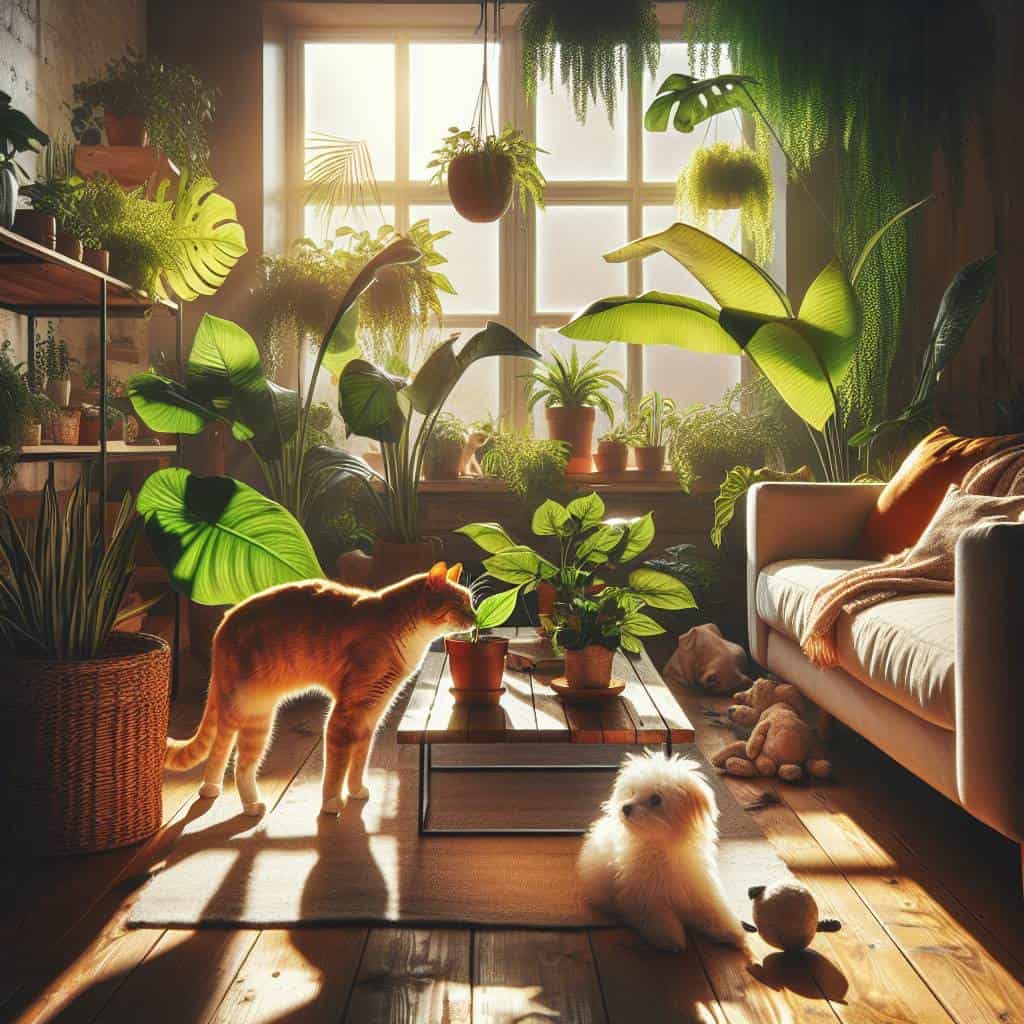
But fear not, fellow plant and pet parents. We’re diving headfirst into the leafy labyrinth of toxic versus non-toxic plants, and I promise it won’t be as dry as a cactus in the Sahara. We’ll unravel the mysteries of pet-friendly foliage and decode the cryptic signs of plant poisoning. So grab a cup of something strong, because we’re about to ensure your indoor garden doesn’t turn into a botanical minefield for your furry friends.
Table of Contents
- The Great Green Gamble: Toxic vs. Non-Toxic, Who Will Win?
- When Fido’s Snack Leaves You Questioning Your Plant Choices
- The Day I Realized My Cat Wasn’t Just Napping Under the Fern
- Navigating the Green Maze: Ensuring Your Plants Don’t Doom Your Pets
- Decoding the Green Jungle: Keep Your Pets Safe
- The Green Gamble
- Navigating the Green Jungle: Pet Safety FAQ
- The Leafy Labyrinth: Last Words
The Great Green Gamble: Toxic vs. Non-Toxic, Who Will Win?
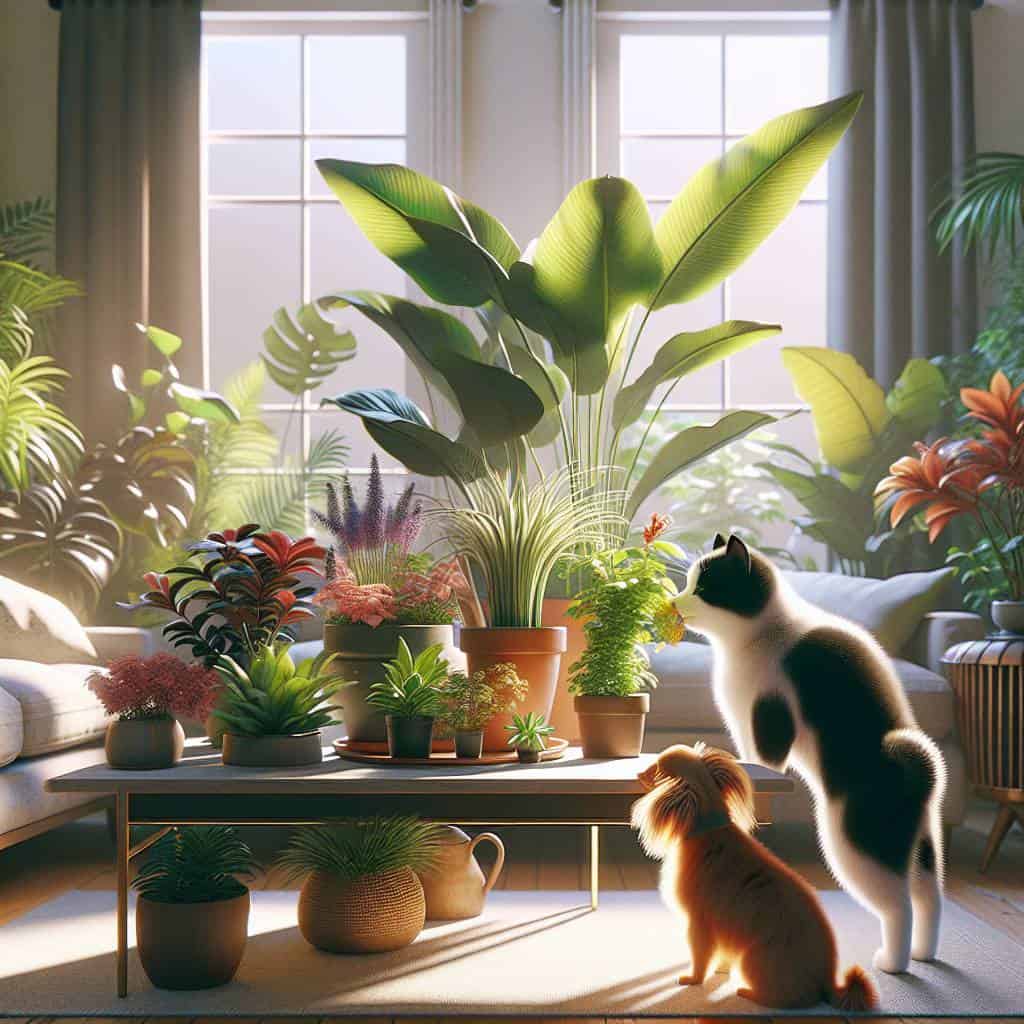
Picture this: you’ve just brought home a vibrant, leafy beauty, only to realize it’s the plant equivalent of a loaded gun when your cat starts eyeing it like a snack. Welcome to the jungle, my friends, where the real game of chance is not about aesthetics but survival. In the battle of toxic versus non-toxic, your pets’ lives hang in the balance. We’re talking about more than just a nibble here and a sniff there; it’s about recognizing the wolf in sheep’s clothing lurking among your ferns and ficuses.
Let’s face it, not all greenery is created equal. Some plants are clandestine killers, harboring toxins that can turn your living room into a hazard zone faster than you can say “Philodendron.” And if you’ve ever seen your dog go from curious to comatose, you’ll know the stakes are high. The signs of pet poisoning are as varied as they are terrifying—vomiting, drooling, and that dreadful lethargy that makes you wish you’d stuck to plastic. Yet, amidst this floral minefield, there are heroes—non-toxic, pet-friendly options that let you greenify without the grim reaper lurking in the leaves.
So, who will win this great green gamble? Spoiler alert: it’s not just about choosing the right plants but knowing the wrong ones. The victory lies in the details—reading labels, doing the research, and sometimes, just trusting your gut when the stakes are your furry friend’s life. It’s a dance of caution and curiosity, a testament to the fact that in the world of indoor gardening, the real beauty is in keeping everyone—feline, canine, or otherwise—alive and well.
When Fido’s Snack Leaves You Questioning Your Plant Choices
There I was, sipping my morning coffee, when I heard the unmistakable crunch of disaster. Fido, my golden retriever with a penchant for mischief, had decided my new pothos plant looked like an all-you-can-eat buffet. Cue the panic. As I pried the chewed leaves from his mouth, I found myself questioning every botanical decision I’d ever made. Why do the most aesthetically pleasing plants come with a side of danger? It’s as if Mother Nature herself wanted to test our love for both greenery and our furry companions.
Navigating the jungle of pet-safe plants feels like a high-stakes game of Minesweeper. One misstep, and you’re at the vet explaining how your dog got a taste for the forbidden fruit. But here’s what I’ve learned: always do your homework. And don’t let the allure of a lush, Instagram-worthy living room overshadow the reality that some plants are more poison ivy than peace lily. If Fido’s snack escapades have taught me anything, it’s that a little knowledge—and a lot of vigilance—goes a long way in keeping both your plant babies and your real babies out of harm’s way.
The Day I Realized My Cat Wasn’t Just Napping Under the Fern
There I was, sipping a lukewarm cup of coffee and marveling at the lush green jungle that had taken over my living room. My feline friend, Whiskers, was sprawled beneath the fern in what I assumed was yet another of his luxurious naps. But as any seasoned cat owner knows, a cat can hide secrets like a magician at a kid’s birthday party. It wasn’t until I noticed the peculiar glint in Whiskers’ eyes and that odd twitch of his tail that I realized something was amiss.
Turns out, my innocent-looking fern was more of a silent assassin. Whiskers wasn’t just lazing about—he was on a mission, pawing at the fronds with the kind of determination usually reserved for his sworn enemy, the vacuum cleaner. A quick Google search later, my heart skipped a beat. The fern was toxic. Panic ensued. I whisked the plant away faster than a teenager caught with a party in progress. Lesson learned: in the great green gamble, never underestimate the allure of a toxic plant to a curious cat.
Navigating the Green Maze: Ensuring Your Plants Don’t Doom Your Pets
- Before you let that lush Philodendron charm its way into your home, check if it’s a silent assassin for your furry friends.
- Think of pet-friendly plants like the peace lily as peace treaties with your pets—no tummy troubles, just tranquility.
- If your dog suddenly starts acting like a drama queen after sniffing your new fern, it might be poisoning, not Oscar-worthy theatrics.
- Remember, even the innocent-looking aloe can be a villain in disguise—keep those spiky leaves out of paw’s reach.
- When in doubt, opt for non-toxic champions like spider plants, which offer a safe jungle vibe without the deadly consequences.
Decoding the Green Jungle: Keep Your Pets Safe
Don’t just trust that plant’s innocent green leaves; some hide the heart of a villain. Know who’s who in your plant collection before your cat decides to nibble.
When your dog starts treating your plant like a salad bar, it’s time to learn the cryptic signs of plant poisoning—drooling, vomiting, and a sudden interest in existential philosophy.
Pet-friendly plant options do exist, and they won’t make your home look like a hospital. Think spider plants, Boston ferns, and the ever-resilient bamboo. No need for your living room to become a botanical death trap.
The Green Gamble
In the dance of leaves and paws, knowing which plants whisper ‘safe’ and which scream ‘danger’ could mean the world to your four-legged friend.
Navigating the Green Jungle: Pet Safety FAQ
How do I know if my plant is plotting against my pet?
First, a little detective work. Look up the specific plant name—no, ‘the one with big leaves’ won’t cut it. Cross-reference it with a reliable toxic plant list. The ASPCA’s online database is a good place to start. If your plant’s listed as toxic, it’s time to reconsider your home jungle’s biodiversity.
What are the signs my furball might have nibbled on something toxic?
Think of it like a mystery novel: subtle clues abound. Vomiting, drooling, or a sudden lack of energy might be your first hints. If your pet’s acting like they just discovered existential dread, it might be time to call the vet.
Can I have a lush indoor garden without risking my pet’s life?
Absolutely, it’s all about choosing the right botanical companions. Look for non-toxic options like spider plants, Boston ferns, or the friendly parlor palm. They won’t just keep your pet safe—they’ll add a touch of wild to your living room without the drama of a vet visit.
The Leafy Labyrinth: Last Words
As I sit here sipping my third cup of cold coffee, I can’t help but chuckle at the irony of it all. Here we are, trying to bring a slice of the great outdoors into our homes, only to find ourselves playing detective in a leafy labyrinth. The truth is, every pet-friendly plant I’ve ever owned has taught me something about resilience and the art of cohabitation. My cat, with her curious whiskers and penchant for nibbling, has become an unlikely partner in this green endeavor—each plant a new mystery, each day a new chapter in our shared story.
But let’s not kid ourselves; it’s a constant dance of vigilance and care. The signs of poisoning are no joke, and the stakes are high when your furry friend’s health is on the line. Yet, amid the chaos and the occasional panic, there’s a kind of magic in knowing that every non-toxic choice is a testament to love—not just for our pets, but for the world we create around them. So, my fellow plant enthusiasts and pet protectors, keep your eyes peeled and your hearts open. After all, the beauty of this journey lies in the details, and it’s these details that transform our homes from mere shelters into vibrant, living sanctuaries.

