There’s something magical about festivals that brings people together. I’ve always been drawn to the way these events transform a city or place into a vibrant hub of life. From the lantern-lit skies of Chiang Mai to the colorful parades of AgitÁgueda, each festival tells a unique story.
These gatherings are more than just entertainment. They’re a way to connect with tradition, art, and food. Whether it’s the balloon fiesta in Albuquerque or the lantern releases in November, these moments create memories that last a lifetime.
In this article, I’ll take you on a journey through some of the most iconic festivals around the world. From Asian rituals to European extravaganzas, each event offers a glimpse into the heart of its culture. Let’s explore the beauty of these celebrations together.
Key Takeaways
- Festivals bring communities together through tradition, art, and food.
- Iconic events like Chiang Mai’s Lantern Festival are must-see experiences.
- Vibrant parades and innovative art installations are central to many festivals.
- Festivals occur throughout the year, from spring to winter.
- These events offer a unique way to experience global heritage.
Embracing the Spirit of Global Festivals
Every year, millions gather to celebrate life through vibrant events. Festivals are more than just parties; they’re a way to honor tradition and connect with others. From the colorful parades of Pasadena’s New Year celebration to the serene lantern releases in Japan, these events bring people together in unforgettable ways.
The Importance of Gathering and Tradition
Festivals are deeply rooted in history. They remind us of where we come from and the values we share. For example, Diwali, the Festival of Lights, symbolizes the triumph of light over darkness. It’s a time for families to come together, share meals, and create memories.
I’ve always been amazed by how these events transform a city or place into a hub of joy. Whether it’s the samba parades of Rio’s Carnival or the cherry blossom festivals in Japan, each event tells a unique story.
How Celebrations Bridge Cultural Divides
Festivals have a unique power to unite people from different backgrounds. Take Oktoberfest in Munich, for instance. It’s not just about beer; it’s a celebration of Bavarian culture that attracts visitors from around the world.
These events often take place during significant moments, like the full moon or the start of a new season. They remind us that, despite our differences, we all share a common humanity. Through art, music, and food, festivals create a space where everyone feels at home.
Unforgettable Cultural Celebrations Around the World
Experiencing global events has profoundly shaped how I see life. From the vibrant streets of Rio de Janeiro during Carnival to the serene lantern releases in Thailand, each festival has left a lasting mark on my perspective. These events are more than just parties; they’re windows into the soul of a culture.
How Festivals Broadened My Worldview
Traveling to festivals has taught me the power of tradition. In Rio, the samba parades are a celebration of life, where every step tells a story. The energy of the city during Carnival is electric, and it’s impossible not to feel connected to the people around you.
In Munich, Oktoberfest showed me how a simple event can bring the world together. It’s not just about beer; it’s about sharing stories, laughter, and food with strangers who quickly become friends.
The Role of Art and Rituals
Festivals are a blend of age-old tradition and modern creativity. In Mexico, Día de los Muertos transforms mourning into a celebration of life. The colorful altars and parades are a testament to the resilience of the human spirit.
In Thailand, the Yi Peng lantern festival is a breathtaking sight. Releasing a lantern into the night sky feels like sending a wish to the universe. These moments remind me that, despite our differences, we all share a common humanity.
Exploring Iconic Festival Experiences
Festivals have a way of turning ordinary places into extraordinary experiences. They transform streets, parks, and entire cities into vibrant hubs of creativity and joy. From art installations to parades, these events are a feast for the senses, offering something unforgettable for everyone.
Art Installations, Parades, and Performances
One of the most striking aspects of festivals is the art. Take AgitÁgueda in Portugal, for example. The streets come alive with colorful umbrellas hanging overhead, creating a canopy of art that feels almost magical. It’s a perfect blend of creativity and public space.
Parades are another highlight. At Glastonbury, the parade is a spectacle of costumes, music, and energy. It’s not just a march; it’s a celebration of life and community. I remember walking through the crowd, feeling the rhythm of the drums and the warmth of the people around me.
“Festivals are where creativity meets community in the most vibrant ways.”
Performances, too, play a key role. At Burning Man, the event is filled with innovative acts that push boundaries. From fire dancers to acrobats, every moment is a testament to human ingenuity. These experiences stay with you long after the festival ends.
What makes these festivals truly special is how they transform a city or place. For a few days, the ordinary becomes extraordinary. Whether it’s the lantern-lit streets of Chiang Mai or the art-filled alleys of AgitÁgueda, these events leave a lasting impression.
Festivals are more than just parties. They’re a celebration of tradition, music, and art. They remind us of the beauty of coming together and the power of shared experiences. If you’ve never been to one, you’re missing out on something truly magical.
Savoring Culture Through Food and Music
The heart of any festival beats through its food and music. These elements transform a simple gathering into a multisensory experience. From the sizzle of street food to the rhythm of live performances, every moment is a celebration of life.
Street Food Delights at International Festivals
One of my favorite parts of any event is exploring the street food markets. The aroma of spices, the sizzle of grills, and the vibrant colors of dishes create an unforgettable atmosphere. In Thailand, I tasted pad Thai from a bustling night market, and in Mexico, I savored tacos al pastor under the stars.
These culinary experiences are more than just meals. They’re a way to connect with the tradition and history of a place. UNESCO recognizes many food traditions, like kimchi in South Korea and borscht in Ukraine, as part of our global heritage.
Live Music and Dance Performances
Music and dance are the soul of any festival. I’ve danced to tribal beats in Africa and swayed to jazz in New Orleans. Each performance tells a story, bringing people together in a shared moment of joy.
At the Latin street party in Melbourne, I was mesmerized by the energy of the crowd. The combination of salsa music and vibrant costumes created an atmosphere that was electric. These moments remind me of the power of music to unite us.
“Food and music are the universal languages of celebration.”
Whether it’s a parade in Rio or a lantern release in Thailand, these experiences stay with you forever. They’re a reminder that, no matter where you are in the world, the joy of a celebration is universal.
Diving Into Historical and Religious Festivities
Historical and religious festivities offer a unique blend of ancient traditions and modern joy. These events bridge the past and present, creating a space where communities come together to honor their heritage. From the vibrant parades of Día de los Muertos to the reflective nights of Ramadan, these celebrations are deeply rooted in history yet evolve with time.
Ancient Traditions and Modern Revelry
Many of today’s festivals trace their origins to ancient rituals. In Mexico, Día de los Muertos, celebrated on November 1st and 2nd, honors ancestors with colorful altars and processions. This event blends pre-Columbian traditions with Catholic influences, showcasing how culture adapts over time.
Ramadan, observed by Muslims worldwide, is another example. This holiday involves fasting during the day and communal prayers at night. It’s a time for reflection, charity, and strengthening family bonds. These traditions remind us of the values that have shaped societies for centuries.
Seasonal changes also play a role in these festivities. In Peru, Inti Raymi marks the winter solstice with grand ceremonies. This celebration honors the sun god and reflects the Inca’s deep connection to nature. Such events highlight how ancient calendars continue to influence modern holidays.
“Festivals are where the past meets the present, creating a tapestry of shared humanity.”
Public ceremonies, like the parades during Three Kings’ Day in Poland, foster community spirit. These events bring people together, reinforcing a sense of belonging. Whether it’s the art of creating lanterns or the joy of sharing a meal, these traditions keep history alive.
For me, attending these festivals has been a profound experience. They’ve taught me the importance of preserving heritage while embracing change. These events are more than just celebrations; they’re a testament to the resilience and creativity of the human spirit.
Experiencing Asia’s Colorful Celebrations
Asia’s festivals are a kaleidoscope of color, tradition, and connection. From the lantern-lit skies of Chiang Mai to the delicate cherry blossoms of Japan, these events are a feast for the senses. They’re not just festivals; they’re a way to connect with the world and its rich heritage.
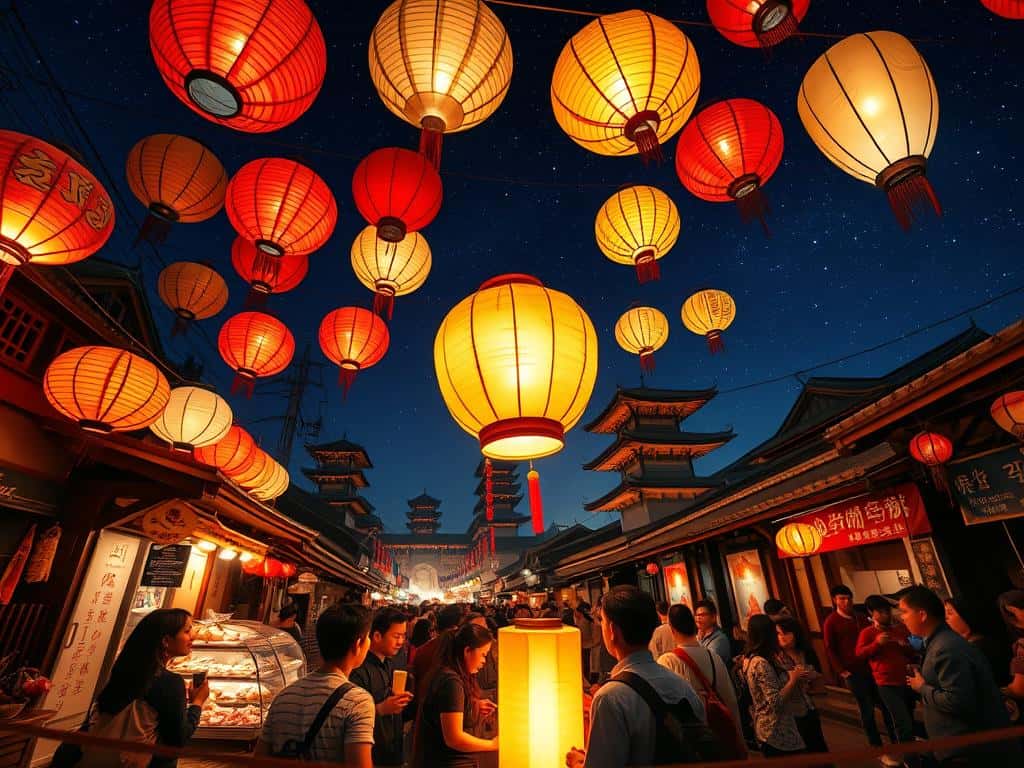
Lantern Festivals and Cherry Blossom Events
One of the most breathtaking experiences I’ve had was at the Yi Peng Lantern Festival in Chiang Mai. Thousands of lanterns light up the night sky, creating a magical atmosphere. It’s a moment that feels timeless, as if the world pauses to celebrate together.
In Japan, cherry blossom season is another highlight. The blooming trees transform parks into pink wonderlands. Families gather for hanami, picnicking under the blossoms. It’s a reminder of the beauty of nature and the fleeting nature of life.
Traditional Rituals in Japanese Festivals
Japanese festivals, or matsuri, are deeply rooted in tradition. During the Gion Matsuri in Kyoto, elaborate parades and floats fill the streets. The event dates back over a thousand years, showcasing the enduring spirit of the community.
Another favorite of mine is the Obon holiday, held in August. Families honor their ancestors with dances and lanterns. It’s a time for reflection and gratitude, bringing people closer to their roots.
“Asia’s festivals are where the past and present merge, creating unforgettable moments.”
These celebrations are more than just events; they’re a way to connect with the world and its rich heritage. Whether it’s the lanterns of Chiang Mai or the cherry blossoms of Japan, each festival tells a story that stays with you forever.
European Extravaganzas: From Parades to Pop-Ups
Europe’s festivals are a vibrant mix of history, art, and energy, offering unforgettable experiences. From the lively streets of Munich during Oktoberfest to the colorful chaos of Mardi Gras in New Orleans, these events are a celebration of life and tradition. They transform cities into hubs of creativity, blending ancient customs with modern entertainment.
Mardi Gras, Oktoberfest, and More
Mardi Gras is one of the most iconic festivals in the world. Held in February or March, it’s a time for parades, costumes, and music. The streets of New Orleans come alive with floats and beads, creating an atmosphere of pure joy. I remember walking through the French Quarter, feeling the rhythm of jazz and the warmth of the crowd.
Oktoberfest, on the other hand, is a celebration of Bavarian culture. Held in Munich from late September to early October, it’s not just about beer. It’s a time for traditional music, food, and community. I’ve always been amazed by how this event brings people together from all corners of the globe.
“Europe’s festivals are where history dances with the present, creating moments that last a lifetime.”
Pop-up art installations are another highlight of European festivals. In cities like Amsterdam and Barcelona, streets transform into open-air galleries. These spontaneous displays of creativity add a modern twist to traditional celebrations. I’ve seen everything from light installations to interactive sculptures, each one telling a unique story.
These events are more than just parties. They’re a way to connect with the past while embracing the present. Whether it’s the lantern-lit streets of Venice or the vibrant parades of Notting Hill Carnival, each festival offers a glimpse into the heart of Europe.
North American Traditions: A Melting Pot of Celebrations
North America’s festivals are a vibrant blend of traditions from around the world. From the patriotic fervor of the Fourth of July to the warmth of Thanksgiving, these events reflect the nation’s rich diversity. Each holiday and local fair tells a story of unity, heritage, and community spirit.
Iconic U.S. Holidays and Local Festivals
The Fourth of July is a cornerstone of American celebration. Fireworks light up the sky, and parades fill the streets. It’s a day to honor independence and the values that define the nation. I’ve always been moved by the sense of pride and togetherness this holiday brings.
Thanksgiving is another cherished tradition. Families gather to share a meal and express gratitude. The Macy’s Thanksgiving Day Parade in New York City is a spectacle of giant balloons and performances. It’s a reminder of the importance of family and giving back.
Local festivals, like the NYC Pride March, also play a vital role. This event is the largest LGBT celebration in the world, drawing millions each year. It’s a powerful display of inclusivity and love, showcasing the strength of community bonds.
“North American festivals are where traditions from every corner of the globe come alive.”
Regional fairs, such as Pioneer Day in Utah, celebrate local history and culture. These events often feature parades, music, and food, creating a sense of belonging. I’ve attended many of these fairs, and each one feels like a homecoming.
These celebrations are more than just parties. They’re a way to honor the past, embrace the present, and look forward to the future. Whether it’s the fireworks of the Fourth of July or the lanterns of a local fair, each festival leaves a lasting impression.
Discovering the Magic of Seasonal Festivals
Seasonal festivals bring a unique rhythm to life, marking the passage of time with joy and creativity. As the world shifts from one season to the next, these events offer a chance to celebrate nature’s beauty and the bonds of community. From spring blooms to winter lights, each festival tells a story of renewal and connection.
Spring Blooms and Summer Street Parties
Spring is a time of rebirth, and festivals like Washington D.C.’s Cherry Blossom Festival capture this spirit perfectly. The city transforms into a pink wonderland, with thousands of cherry trees in full bloom. Families gather for picnics, and the air is filled with laughter and music. It’s a reminder of how nature and community come together to create something magical.
Summer brings a different kind of energy. Street parties and outdoor concerts fill the day with vibrant sounds and colors. In cities like New Orleans, the streets come alive with jazz and dancing. These events are a celebration of life, where everyone is invited to join in the fun.
Fall Harvests and Winter Wonderlands
As the leaves change color, fall harvest festivals take center stage. These events honor the bounty of the year, with farmers’ markets, pumpkin patches, and hayrides. In places like Vermont, the crisp air and golden landscapes create a cozy atmosphere that’s perfect for family gatherings.
Winter brings its own kind of magic. The Sapporo Snow Festival in Japan is a stunning example. Massive ice sculptures light up the night, drawing visitors from around the world. It’s a time to embrace the cold and find warmth in the company of others.
“Seasonal festivals remind us that every moment is worth celebrating, no matter the time of year.”
These events are more than just parties. They’re a way to connect with the rhythms of nature and the people around us. Whether it’s the cherry blossoms of spring or the ice sculptures of winter, each festival leaves a lasting impression.
The Cultural Significance of Community Gatherings
Community gatherings have a unique power to unite people across generations. Whether it’s a local festival or a national holiday, these events create a space where families and friends come together. They remind us of the importance of connection and shared experiences.
Studies show that these gatherings strengthen social bonds and cultural identity. For example, during December holidays like Christmas or Hanukkah, families often reunite to share meals and traditions. These moments are more than just celebrations; they’re a way to pass down values and stories.
Family Reunions and Generational Traditions
Family reunions during festivals are a cornerstone of many cultures. In my own experience, gatherings during the New Year have always been special. It’s a time to reflect on the past year and look forward to the new one. These moments create lasting memories and strengthen family ties.
Generational traditions play a key role in these events. From lighting candles during Diwali to carving pumpkins in October, these rituals connect us to our roots. They’re a way to honor the past while creating new memories for the future.
“Festivals are where the heart of a community beats the loudest, bringing people together in shared joy.”
Large-scale festivals also have a significant social and economic impact. Events like Mardi Gras or the March Cherry Blossom Festival draw millions of visitors each year. They boost local economies and foster a sense of pride in the community.
These gatherings are more than just parties. They’re a way to preserve history and build a stronger future. Whether it’s a winter carnival or a summer street party, each event leaves a lasting impression.
Insider Tips for Immersing Yourself in Festive Culture
Attending festivals around the world has taught me the importance of preparation and respect for local traditions. To truly enjoy these events, it’s essential to blend in with the locals and embrace their customs. Here’s how you can make the most of your festival experience.
Local Custom Etiquette and Must-See Events
Understanding local customs is crucial for respectful participation. For example, during the December holidays in Europe, it’s common to greet strangers with a warm “Happy Holidays.” In Japan, bowing is a sign of respect, especially during traditional festivals like the Gion Matsuri.
Researching must-see events can enhance your experience. In March, the Cherry Blossom Festival in Washington D.C. is a breathtaking sight. Similarly, the New Year celebrations in Times Square are iconic but require early planning due to the crowds.
Planning Your Festival Travel Itinerary
Start by choosing the right time to visit. For instance, January is perfect for the Harbin Ice Festival in China, while March is ideal for Holi in India. Booking accommodations early is key, as festivals often attract large crowds.
Pack wisely, considering the weather and local dress codes. Comfortable shoes are a must for long days of walking, and layering is essential for events that span from day to night. Don’t forget to bring a reusable water bottle to stay hydrated.
“The best festival experiences come from blending preparation with spontaneity, allowing you to fully embrace the moment.”
Finally, explore off-the-beaten-path festivities for a deeper cultural insight. While major events are popular, smaller local gatherings often offer a more authentic experience. These tips will help you create unforgettable memories and connect with the world in meaningful ways.
Connecting with the World Through Traditional Rituals
Traditional rituals have a unique way of connecting us to the past while celebrating the present. These practices, rooted in history, continue to shape modern festivals, offering a bridge between generations and cultures. From indigenous ceremonies to ancient religious observances, rituals remind us of our shared humanity.
One of the most powerful examples is the Powwow, a gathering of Native American tribes. These events are more than just celebrations; they’re a way to honor heritage and strengthen community bonds. I’ve attended Powwows where the drumming and dancing felt like a heartbeat, connecting everyone in the circle.
In India, Diwali, the Festival of Lights, is another timeless tradition. Families light oil lamps and share sweets, symbolizing the triumph of light over darkness. This holiday brings people together, creating a sense of unity that transcends borders.
“Rituals are the threads that weave the fabric of our shared history, connecting us to the world and to each other.”
Religious ceremonies also play a significant role. During December, Christmas and Hanukkah bring families together to celebrate faith and tradition. These moments are not just about the day itself but about the stories and values passed down through generations.
In January, the Chinese New Year marks a fresh start with fireworks, feasts, and family reunions. Similarly, in March, Holi celebrates the arrival of spring with vibrant colors and joy. These events remind us that, no matter where we are in the world, we all share a need for connection and renewal.
Preserving these traditions is essential for future generations. They teach us about resilience, creativity, and the power of community. Whether it’s the lanterns of Diwali or the dances of a Powwow, these rituals are a testament to the enduring spirit of humanity.
Conclusion
Festivals have always been a gateway to understanding the world’s rich tapestry of traditions. From the lantern-lit skies of Chiang Mai to the vibrant parades of Mardi Gras, each event offers a unique glimpse into the heart of a community. These gatherings are more than just festivals; they’re a celebration of creativity, connection, and shared humanity.
Throughout my travels, I’ve seen how these events bring people together, fostering a sense of belonging. Whether it’s the warmth of a family reunion during December holidays or the joy of a new year’s celebration, these moments remind us of what truly matters. Festivals are a testament to the power of tradition and the beauty of diversity.
I encourage you to step out of your comfort zone and explore these global events. Each festival is an opportunity to learn, grow, and connect. Embrace the joy of these gatherings, and let them inspire you to create your own unforgettable memories.

