Have you ever felt like life is passing you by? I know I have. There was a time when I was so caught up in the chaos of daily routines that I forgot to truly live. My days were filled with tasks, but my mind was elsewhere—lost in thoughts about the past or worries about the future. It wasn’t until I made a conscious choice to slow down that I began to notice the beauty in the little things.
Living consciously isn’t about perfection; it’s about awareness. It’s about making intentional decisions that align with your values and goals. For me, it meant letting go of distractions and focusing on what truly matters. Whether it’s spending time with loved ones or simply enjoying a quiet moment, being present has transformed the way I experience life.
This journey hasn’t been easy. It takes effort to break free from old habits and embrace a new way of thinking. But the rewards are worth it. When you live with intention, you create space for joy, connection, and fulfillment. It’s not about doing more; it’s about being more—more aware, more intentional, and more alive.
Key Takeaways
- Being present helps you appreciate the small moments in life.
- Living intentionally requires making mindful choices daily.
- Letting go of distractions can improve your focus and energy.
- Mindfulness practices can reduce stress and increase happiness.
- Small, conscious decisions can lead to a more fulfilling life.
Discovering the Benefits of a Conscious Life
What if every decision you made today could shape a better tomorrow? This question became a turning point for me. I realized that living with intention isn’t just a concept—it’s a transformative way to approach each day. By making small, mindful choices, I’ve seen how my life has shifted in meaningful ways.
Personal Reflections on Daily Choices
I used to go through my days on autopilot, barely noticing the moments that mattered. But when I started questioning my routines, everything changed. For example, I began journaling each morning to reflect on my goals and values. This simple habit helped me focus on what truly mattered.
One of the most profound changes was in my relationships. By spending time with loved ones without distractions, I felt more connected and present. It’s amazing how small adjustments can lead to deeper bonds and greater fulfillment.
Navigating Life with Intention
Living intentionally isn’t about perfection—it’s about awareness. I’ve learned to pause before making decisions, asking myself if they align with my values. This approach has helped me reduce stress and feel more in control of my life.
Studies show that people who practice intentional living report a 25% improvement in their sense of empowerment. For me, it’s been about breaking free from automatic routines and embracing a more purposeful way of living. Whether it’s setting daily goals or spending time on meaningful activities, these choices have made all the difference.
If you’re feeling stuck or overwhelmed, I encourage you to take a step back. Reflect on your daily habits and ask yourself if they’re serving your goals. Sometimes, the smallest changes can lead to the biggest transformations.
Foundations of Mindfulness and Presence
Mindfulness isn’t just a buzzword—it’s a way to reclaim your energy and focus. At its core, mindfulness is about being fully present in the moment, aware of your thoughts, feelings, and surroundings without judgment. It’s a practice that has transformed my life, helping me make better decisions and find clarity in the chaos of daily routines.
Defining Mindfulness in Everyday Context
Mindfulness is more than meditation; it’s a way of living. Leo Babauta, a thought leader in this space, describes it as “paying attention to the present moment with intention and without judgment.” For me, this means pausing before reacting, noticing the small details in my day, and being fully engaged in my relationships.
Simple practices like mindful breathing or taking a moment to savor a cup of coffee can make a big difference. These small actions help me stay grounded and focused, even during busy days at the office.
The Science Behind Mindful Living
Research supports the benefits of mindfulness. Studies show that regular practice can reduce stress, improve mental clarity, and even enhance job performance. For example, one study found that employees who practiced mindfulness reported a 25% increase in focus and productivity.
Mindfulness also strengthens the brain’s ability to process information and regulate emotions. This scientific backing has encouraged me to integrate mindfulness into my daily routine, from morning journaling to mindful walking during breaks.
“Mindfulness is the awareness that arises through paying attention, on purpose, in the present moment, non-judgmentally.”
By making mindful choices, I’ve noticed a positive impact on my work and personal life. It’s not about perfection but about creating space for awareness and intentionality. Start small—take a deep breath, notice your surroundings, and see how it transforms your experience.
Practical Tips for Conscious Living
Small changes in your daily habits can lead to big shifts in how you experience life. It’s not about overhauling everything at once but making intentional choices that align with your values. Here are some practical steps that have helped me create a more mindful routine.
Incorporating Mindfulness into My Routine
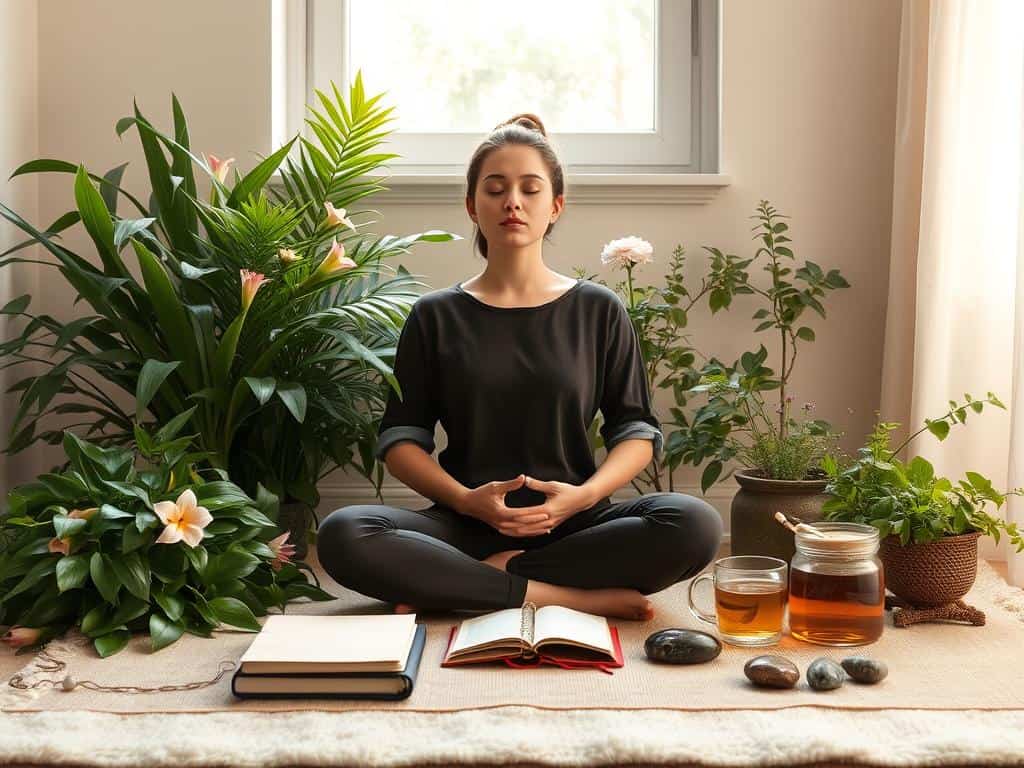
One of the most effective tools I’ve found is journaling. Taking a few minutes each morning to reflect on my goals and values helps me start the day with clarity. It’s a simple practice, but it sets the tone for making mindful decisions throughout the day.
Another habit I’ve adopted is a weekly time audit. By tracking how I spend my time, I’ve identified areas where I can cut back on distractions and focus on what truly matters. This has been a game-changer for my productivity and mental clarity.
Tools and Practices That Work for Me
Decluttering has had a significant impact on my life. Whether it’s clearing out physical stuff or letting go of mental clutter, creating space has allowed me to focus on what brings me joy. Start small—tackle one drawer or one thought at a time.
I’ve also learned to prioritize experiences over material possessions. Instead of reactive spending, I now ask myself if a purchase aligns with my values. This shift has not only saved me money but also brought a deeper sense of fulfillment.
“The little things? The little moments? They aren’t little.”
Finally, I’ve embraced the power of saying no. By setting boundaries and focusing on what truly matters, I’ve created more time for the people and activities I value most. These small, consistent steps have transformed my daily experience and helped me live with greater intention.
Overcoming Daily Challenges to Stay Present
Staying present in a world full of distractions can feel like an uphill battle. Whether it’s social media notifications or a never-ending to-do list, it’s easy to lose focus. I’ve found that recognizing these challenges is the first step toward regaining control of my life.
Managing Distractions and Negative Thoughts
One of the biggest hurdles I face is managing distractions. I’ve started setting aside specific times for a digital detox. Turning off notifications and stepping away from my phone helps me focus on what truly matters. It’s a small choice, but it makes a big difference.
Negative thoughts can also pull me away from the present moment. When I notice myself spiraling, I use focused breathing exercises to ground myself. Taking a few deep breaths helps me reset and refocus my energy.
Recognizing Autopilot Mode
Another challenge is slipping into autopilot mode. I’ve learned to pause and ask myself, “Am I fully present?” This simple question helps me catch myself before I drift too far. Journaling has also been a helpful tool for staying aware of my thoughts and actions.
Research shows that mindfulness practices can reduce stress levels by up to 30%. By incorporating these techniques into my daily routine, I’ve noticed a significant improvement in my mental well-being.
Strategies for Staying Present
Setting small, daily goals has been a game-changer for me. Whether it’s completing a task at work or spending quality time with loved ones, these intentional actions keep me grounded. I’ve also started taking regular breaks throughout the day to recharge and refocus.
“The little things? The little moments? They aren’t little.”
Creating a balanced environment is another key strategy. I’ve decluttered my house and minimized distractions to create a space that encourages mindfulness. These small changes have had a big impact on my ability to stay present.
Ultimately, staying present is about making conscious decisions every day. It’s not always easy, but the rewards are worth it. By managing distractions and staying aware, I’ve found a greater sense of peace and fulfillment in my life.
Integrating Mindfulness into Work and Relationships
Finding balance between work and personal life can feel like a constant juggling act. For me, mindfulness has been the key to navigating this challenge. By bringing awareness to both my professional and personal interactions, I’ve found a way to stay present and connected in every aspect of my life.
At work, I start each day with a short mindfulness session. This helps me set clear intentions and focus on my tasks. Taking a few minutes to breathe deeply before meetings or decision-making moments keeps me grounded and sharp. Research shows that mindfulness can improve focus and reduce stress, which has certainly been true for me.
In my relationships, mindfulness has transformed the way I communicate. I’ve learned to listen actively, without letting distractions pull me away. This has deepened my connections and reduced misunderstandings. Studies indicate that mindful communication can enhance emotional bonds, and I’ve seen this firsthand.
Balancing Professional and Personal Life
One of the biggest challenges I face is balancing my professional responsibilities with quality time for loved ones. To manage this, I’ve set clear boundaries. For example, I avoid checking work emails during family dinners. This simple choice has made a big difference in my life.
Regular breaks throughout the day also help me recharge. Whether it’s a short walk or a moment of quiet reflection, these pauses keep me energized and focused. Research supports this approach, showing that routine breaks can boost productivity and creativity.
Another strategy I use is a weekly time audit. By tracking how I spend time, I’ve identified areas where I can cut back on distractions. This has allowed me to focus on what truly matters, both at work and at home.
“The little things? The little moments? They aren’t little.”
Mindfulness has also helped me overcome the fear of missing out. By staying present, I’ve learned to appreciate the value of each moment. This has made my life more meaningful and connected.
If you’re struggling to find balance, I encourage you to explore mindfulness practices. Start small—take a deep breath, notice your surroundings, and see how it transforms your experience. By making conscious choices, you can create a more fulfilling and connected life.
Conclusion
Every moment is a chance to shape your truth and live with purpose. My journey toward being fully present has taught me that small, intentional choices can transform the way I experience life. It’s not about perfection but about awareness and making decisions that align with what truly matters.
Letting go of distractions and focusing on the little things has simplified my life. By eliminating unnecessary stuff, I’ve created space for joy and deeper connections. This way of living has had a ripple effect, improving both my personal and professional world.
I encourage you to take ownership of your life. Reflect on your daily habits and make choices that bring you closer to your truth. Remember, it’s a continuous journey, but every step counts. Start today—take a deep breath, notice the moment, and embrace the beauty of being present.

