Have you ever stopped to think about how much technology has changed our lives? I often wonder if we’ve reached a point where innovation is outpacing our ability to manage its consequences. One area that’s been on my mind lately is facial recognition technology. It’s everywhere—from unlocking our phones to enhancing security measures in public spaces. But has it become too powerful?
This technology blends advanced algorithms with sensitive biometric data, creating a tool that’s both impressive and concerning. Governments and private companies are using it more than ever, raising critical questions about privacy and ethics. Recent controversies, like false matches in law enforcement databases, highlight the real-world impact on individuals.
As we dive into this topic, I want to explore how facial recognition is reshaping our world. Is it a necessary tool for security, or does it threaten our fundamental rights? Let’s take a closer look.
Key Takeaways
- Facial recognition technology is widely used in security and privacy applications.
- It raises ethical concerns due to its potential for misuse.
- Recent controversies highlight issues with accuracy and bias.
- Both governments and private companies are adopting this technology.
- Understanding its impact is crucial for balancing innovation and privacy.
Understanding the Rise of Facial Recognition Technology
The journey of face recognition technology began decades ago, rooted in simple yet groundbreaking experiments. In the 1960s, researchers started exploring ways to map and identify human features using rudimentary computer systems. These early efforts laid the foundation for the advanced tools we use today.
Historical Background and Evolution
Pioneers like Woody Bledsoe and Helen Chan Wolf played a crucial role in shaping the field. Their work focused on developing methods to analyze and match facial features, which became the bedrock of modern recognition technology. By the 1970s, these techniques were already showing promise, though they were far from perfect.
One of the most significant breakthroughs came in the 1990s with the FERET program, funded by DARPA. This initiative introduced automated tests that pushed the boundaries of what was possible. It marked a shift from manual detection to computerized systems, setting the stage for today’s applications.
Key Milestones in Recognition Technology
Over the years, several milestones have shaped the evolution of this system. Early experiments focused on basic mapping, but advancements in algorithms and computing power transformed it into a sophisticated tool. By the 2000s, face recognition was being used in security, law enforcement, and even consumer devices.
Today, this technology is more accurate and efficient than ever, thanks to innovations like machine learning. However, its rapid rise has also brought challenges, particularly in terms of privacy and ethical concerns. Understanding its history helps us navigate these issues and make informed decisions about its future.
The Evolution of Face Recognition
From basic image analysis to advanced AI-driven systems, face recognition has come a long way. Early experiments in the 1960s relied on simple 2D image matching, which laid the groundwork for today’s sophisticated tools. These initial efforts were far from perfect, but they sparked a revolution in how we identify and verify individuals.
One of the most significant leaps came with the introduction of machine learning and deep learning algorithms. These advancements allowed systems to analyze dynamic facial expressions, not just static images. For example, Apple’s Face ID, launched in 2017, brought this technology to millions of users, showcasing its potential in everyday applications.
The integration of complex algorithms and improvements in digital imagery have also played a crucial role. Systems like Facebook’s DeepFace achieved a 97% accuracy rate, nearly matching human performance. This level of precision has expanded the scope of recognition systems, making them invaluable in security, law enforcement, and consumer devices.
However, these advancements come with challenges. Issues like algorithmic bias and privacy concerns have sparked debates about the ethical use of this technology. For instance, a 2018 MIT study found that some systems had higher error rates when identifying darker-skinned individuals and women. These findings highlight the need for continuous improvement and accountability.
Looking back, it’s clear that the evolution of face recognition has been transformative. From its humble beginnings to its current state, this technology has reshaped industries and raised important questions about its impact on society.
How Facial Recognition Enhances Security Measures
Security measures have evolved significantly with the integration of advanced technology. One of the most impactful innovations is the facial recognition system, which has transformed how we verify identities and ensure safety. From airports to government facilities, this technology is reshaping security protocols.
Improving User Verification Processes
Traditional methods like passwords and IDs are increasingly being replaced by more efficient solutions. A facial recognition system streamlines verification by quickly analyzing facial features and matching them with databases. This process is not only faster but also more accurate, reducing the risk of human error.
For example, airports worldwide have adopted this technology to enhance security. Travelers can now pass through checkpoints seamlessly, as the system identifies them in seconds. This efficiency has significantly reduced wait times while maintaining high safety standards.
Addressing Privacy Concerns
While the benefits are clear, the use of facial recognition software also raises important questions about privacy. Storing biometric data in databases can lead to potential misuse if not properly managed. It’s crucial to implement strict regulations to protect individuals’ information.
Balancing security and privacy remains a challenge. However, with proper safeguards, this technology can continue to enhance safety without compromising personal rights. The key lies in finding the right balance between innovation and ethical considerations.
Implementing Facial Recognition in Everyday Life
From unlocking phones to securing public spaces, this technology is now part of our daily routines. Its seamless integration into devices and services has transformed how we interact with the world. Whether it’s keyless entry to buildings or personalized interfaces on smartphones, these systems are making life more convenient and secure.
Practical Use Cases and Applications
One of the most common applications is in smartphones. Features like Face ID allow users to unlock their devices with just a glance. This not only saves time but also adds an extra layer of security. I’ve personally found it incredibly convenient, especially when I’m multitasking.
Public transportation systems are also adopting this technology. For instance, some airports now use it to verify passenger identities at checkpoints. This speeds up the boarding process while maintaining high safety standards. It’s a win-win for both travelers and security personnel.
Retail environments are another area where this application shines. Stores can use it to offer personalized shopping experiences. Imagine walking into a store and being greeted with recommendations based on your past purchases. It’s a great way to enhance the user experience while driving sales.
However, with these advancements comes the need for careful management of biometric data. Storing sensitive information requires robust security measures to prevent misuse. Balancing convenience with privacy is crucial for the continued success of this technology.
In my experience, these applications have made life easier in many ways. From quick access to devices to streamlined security checks, the benefits are undeniable. But it’s important to stay informed about how our data is being used and protected.
Navigating the Intersection of Privacy and Innovation
In today’s digital age, the balance between innovation and privacy has never been more critical. As new technologies emerge, they bring both opportunities and challenges. One of the most pressing issues is how to protect individual rights while embracing advancements.
One area of concern is how facial features are measured and stored. These systems capture unique biometric data, which can be misused if not properly secured. For example, unauthorized access to databases could lead to identity theft or surveillance without consent.
The evolution of recognition systems has been remarkable. From basic verification tools to advanced analytics, these systems can now track individuals in real time. While this enhances security, it also raises questions about overreach and accountability.
I believe the key lies in finding a balance. Embracing innovation doesn’t mean sacrificing privacy. Strict ethical guidelines and transparent practices can help ensure these powerful tools are used responsibly. For instance, regulations like the EU’s GDPR set a strong precedent for data protection.
Ultimately, the goal is to create a future where technology serves humanity without compromising our fundamental rights. By addressing these challenges head-on, we can pave the way for a safer and more equitable digital world.
A Step-by-Step Guide to Using Facial Recognition Software
Setting up advanced systems on your device is easier than you might think. Whether you’re using a smartphone or a computer, the process is straightforward and user-friendly. In this guide, I’ll walk you through the steps to get started, customize the system, and troubleshoot common issues.
Setting Up and Customizing the System
First, ensure your device meets the necessary requirements. Most modern systems need a camera and sufficient processing power. Download the software from a trusted source and follow the installation prompts.
Once installed, the software will guide you through the calibration process. This involves capturing your facial features using a specific method, such as the dlib facial landmark detector, which identifies 68 key points. Make sure to follow the on-screen instructions carefully for accurate results.
Customization options vary by software. You can adjust settings like sensitivity, notification preferences, and security levels. For example, some systems allow you to set a threshold for matching accuracy, ensuring fewer false positives.
Troubleshooting Common Issues
If the system fails to recognize you, check the lighting and camera angle. Poor lighting or obstructions can affect accuracy. Ensure your face is fully visible and well-lit.
Another common issue is software glitches. Restart your device or reinstall the software if problems persist. Updating to the latest version can also resolve bugs and improve performance.
For advanced troubleshooting, consult the software’s support resources. Many platforms offer detailed guides and customer support to help users resolve technical challenges.
Modern computer-based systems have made this technology more accessible than ever. By following these steps, you can enjoy the convenience and security of advanced software without hassle. Remember, patience and attention to detail are key to a smooth setup process.
Overcoming Challenges with Facial Recognition Algorithms
As we delve deeper into the world of advanced technology, one area that demands attention is the challenges faced by algorithms. These systems, while powerful, are not without their flaws. Issues like inconsistent accuracy and potential bias have raised concerns about their reliability and fairness.
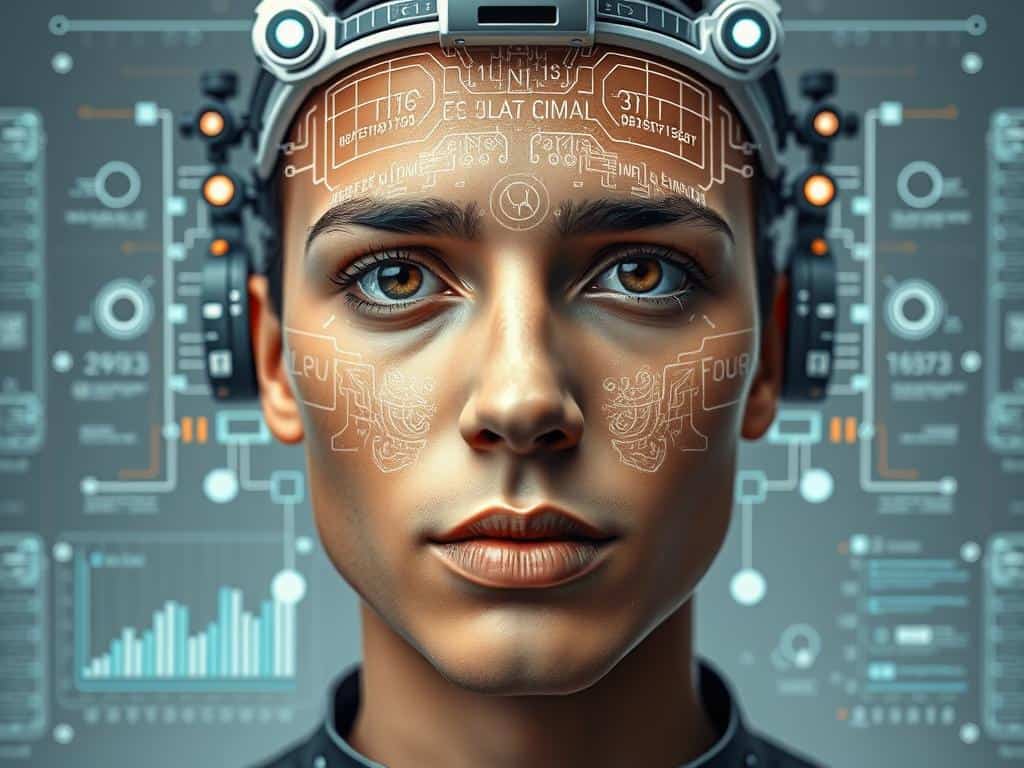
One of the most common pitfalls is the struggle with varying lighting conditions and facial expressions. Recognition software often fails to perform optimally in low-light environments or when users make exaggerated expressions. This can lead to false matches or failed verifications, undermining the system’s effectiveness.
Identifying Common Pitfalls
Bias in algorithms is another significant challenge. Studies have shown that some systems have higher error rates when identifying darker-skinned individuals or women. This is often due to skewed datasets that lack diversity. For example, a 2018 MIT study revealed that certain systems performed poorly on non-white faces, highlighting the need for more inclusive training data.
Technical limitations also play a role. While deep learning has improved accuracy, it still struggles with complex scenarios like 3D imaging, which requires expensive sensors. These limitations can increase costs and reduce accessibility for many users.
Solutions to Enhance Reliability
To address these issues, experts are developing innovative solutions. One approach is to diversify datasets, ensuring they represent a wide range of skin tones, genders, and ages. This can help reduce bias and improve accuracy across different demographics.
Another solution is to enhance algorithms with advanced machine learning techniques. By training systems on more dynamic data, such as videos instead of static images, they can better handle variations in lighting and expressions. This makes the technology more robust and reliable in real-world applications.
In my experience, staying informed about these challenges is crucial. Whether you’re a developer or a user, understanding the limitations of recognition software can help you make better decisions and advocate for ethical practices. By addressing these issues head-on, we can create systems that are both powerful and fair.
Leveraging Recognition Technology for Improved Identity Verification
Identity verification has become a cornerstone of modern security systems. Advanced tools are now essential for confirming who we are, especially in a world where identity theft and fraud are on the rise. These systems rely on sophisticated algorithms and large-scale databases to ensure accuracy and efficiency.
One of the key processes involves cross-referencing personal information with extensive databases. For example, law enforcement agencies use these systems to match individuals against criminal records or watchlists. This not only speeds up verification but also reduces the risk of errors that can occur with manual checks.
The benefits of these systems are clear. They help reduce fraud by ensuring that only verified individuals gain access to sensitive areas or services. In official processes, like DMV upgrades, this technology has streamlined operations, cutting down wait times and improving overall efficiency.
Border security is another area where these tools shine. By integrating advanced systems, airports can quickly verify travelers’ identities, enhancing safety while maintaining a smooth flow of passengers. This approach has proven effective in reducing bottlenecks and improving the travel experience.
In my view, the order and integration of these systems are crucial for their success. Properly organized databases and well-designed algorithms ensure that verification is both fast and reliable. As we continue to adopt these technologies, it’s important to balance innovation with ethical considerations to protect individual rights.
The Role of Artificial Intelligence in Face Recognition
The fusion of artificial intelligence and biometric systems has revolutionized how we identify individuals. By leveraging advanced algorithms, these systems can analyze vast amounts of information to improve accuracy and efficiency. This integration has made identity verification faster and more reliable than ever before.
Integrating Machine Learning for Enhanced Accuracy
Machine learning is at the heart of modern biometric systems. These algorithms learn from extensive datasets, allowing them to recognize patterns and improve over time. For example, systems trained on diverse information can better handle variations in lighting, angles, and facial expressions.
One of the most significant advancements is the use of video analytics. Real-time analysis of video footage enables systems to identify individuals in dynamic environments. This is particularly useful in security applications, where quick and accurate identification is crucial.
By combining artificial intelligence with biometric data, these systems can achieve remarkable precision. This not only enhances security but also opens up new possibilities for applications in various industries. As technology continues to evolve, the potential for even greater accuracy and efficiency is immense.
Real-World Applications of Recognition Systems
The real-world impact of advanced identification systems is reshaping industries globally. From streamlining airport security to enhancing law enforcement, these tools are proving their value in high-pressure environments. Let’s explore some success stories that highlight their transformative potential.
Case Studies and Success Stories
Airports are a prime example of where these systems excel. For instance, over 15 airports in the US have implemented face-matching systems since 2018. These tools have reduced boarding times by 30-40%, making travel smoother for millions of passengers. In Ljubljana, a trial involving 175 travelers achieved a 98% match rate in under two seconds.
Law enforcement agencies are also leveraging this technology to improve public safety. By cross-referencing databases, officers can quickly identify individuals of interest. This has led to faster resolutions in cases and reduced errors in manual checks.
Social media platforms like Facebook have integrated advanced algorithms for user verification. Their DeepFace system boasts a 97.25% accuracy rate, ensuring secure and seamless interactions. These examples demonstrate how robust feature analysis can lead to significant operational improvements.
In my experience, these systems have made a tangible difference. Whether it’s speeding up airport processes or enhancing security, the benefits are undeniable. However, it’s crucial to balance innovation with ethical considerations to protect individual rights.
Comparing Facial Recognition Systems and Software
When it comes to choosing the right tools for identity verification, the options can be overwhelming. Different models and software platforms offer unique benefits, but they also come with their own limitations. In this section, I’ll compare some of the most popular solutions to help you make an informed decision.
Benefits of Different Technological Approaches
One of the key advantages of modern systems is their ability to provide contactless user authentication. This is especially useful in high-traffic areas like airports or retail stores. For example, systems like Face++ and DeepVision AI are designed to handle large-scale applications efficiently.
Scalability is another important factor. Some platforms, such as Betaface and Cognitec, offer flexible pricing models that cater to businesses of all sizes. This makes it easier to adopt advanced technology without breaking the bank.
Technical Differences and User-Specific Needs
Not all systems are created equal. Some prioritize speed, while others focus on accuracy. For instance, DeepFace by Facebook boasts a 97.25% accuracy rate, making it ideal for secure environments. On the other hand, solutions like Apple’s Face ID are optimized for consumer devices, offering a balance of convenience and security.
In my experience, evaluating these systems in real-world scenarios is crucial. I’ve tested several platforms to see how they perform under different conditions, such as low lighting or crowded spaces. This hands-on approach has helped me understand their strengths and weaknesses better.
Balancing Strengths and Weaknesses
While many systems excel in specific areas, they often fall short in others. For example, some platforms struggle with diversity in their datasets, leading to higher error rates for certain demographics. Addressing these issues requires continuous improvement and ethical practices.
Ultimately, the right choice depends on your specific needs. Whether you’re looking for a scalable solution or a highly accurate system, understanding the technical differences is key. By weighing the pros and cons, you can find a platform that aligns with your goals.
Mitigating Risks in the Use of Facial Recognition
As technology advances, so do the challenges of managing its risks. One area that demands attention is the widespread use of biometric systems. While these tools offer significant benefits, they also come with potential vulnerabilities that need addressing.
One major concern is the misuse of sensitive data. Biometric information, once compromised, cannot be replaced like a password. This makes it crucial to implement robust safeguards to protect individual privacy. For example, laws like Illinois’ Biometric Information Privacy Act (BIPA) set strict guidelines for data handling.
Strategies for Enhancing Security and Protection
Developers and law enforcement agencies are working together to secure better results. One approach is integrating advanced intelligence into these systems. Machine learning algorithms can monitor and improve outcomes, reducing errors and biases.
Another strategy is enhancing transparency. Users should know how their data is collected and used. Clear privacy policies and consent mechanisms can build trust and ensure ethical practices. For instance, Facebook’s $550 million settlement under BIPA highlights the importance of compliance.
In my view, continuous monitoring is key. Regularly updating systems and addressing vulnerabilities can prevent misuse. By combining technical innovation with ethical considerations, we can create safer and more reliable solutions.
Thoughtful use of technology is essential to reduce risks. Whether it’s in airports or retail environments, balancing innovation with privacy protection ensures a better future for all.
My Experience with Facial Recognition Implementation
Implementing advanced systems has been a transformative journey in my career. I’ve worked extensively with photo-based identification tools, which taught me the importance of precision and ethical responsibility. These systems are powerful, but their deployment comes with unique challenges.
One of the biggest hurdles I faced was ensuring accuracy in diverse environments. Lighting, angles, and even facial expressions can affect results. For example, during a project for a retail chain, we had to adjust the system to handle low-light conditions in stores. This required recalibrating the algorithms and expanding the dataset to include more varied photo samples.
Another challenge was balancing efficiency with privacy concerns. In one case, we implemented a service for a public transportation network. While the system streamlined boarding processes, we had to ensure that biometric data was securely stored and only used for its intended purpose. This experience reinforced the need for transparency and robust safeguards.
My work has also highlighted the importance of ethical considerations. For instance, I’ve seen how biases in datasets can lead to errors, particularly for underrepresented groups. Addressing these issues requires continuous improvement and a commitment to fairness. These lessons have shaped my approach to balancing innovation with responsibility.
In my view, the future of these systems lies in thoughtful implementation. By addressing challenges head-on and prioritizing ethical practices, we can create tools that enhance security without compromising individual rights. My experiences have been both rewarding and enlightening, offering valuable insights into the potential and pitfalls of this technology.
Future Trends in Facial Recognition Technology
The future of biometric systems is evolving at an unprecedented pace. With advancements in facial recognition algorithms and the integration of real-time analytics, we’re on the brink of a new era in technology. These innovations promise to reshape industries, enhance security, and redefine how we interact with the world.
Emerging Innovations and Predictions
One of the most exciting developments is the rise of 3D authentication. Unlike traditional 2D methods, 3D systems offer superior accuracy and security. For example, Apple’s Face ID has already set a high standard, and this trend is expected to expand into sectors like finance and healthcare.
Another key innovation is the use of blockchain for storing biometric data. Companies like Hyland Credentials are pioneering solutions that enhance security and give individuals greater control over their personal information. This approach addresses privacy concerns while maintaining efficiency.
Edge computing is also transforming how these systems operate. By processing data locally rather than relying on cloud servers, it reduces latency and mitigates the risk of breaches. This is particularly useful in high-stakes environments like border control and law enforcement.
New Use Cases Across Industries
The potential applications of this technology are vast. In retail, contactless authentication is streamlining the checkout process. Mastercard and Alipay are already piloting systems that allow customers to pay with just a glance, making transactions faster and more secure.
In healthcare, advanced systems are being used for patient verification and access control. This not only improves efficiency but also ensures that sensitive information remains protected. Similarly, in education, these tools can enhance campus security and streamline administrative processes.
Even in entertainment, augmented reality (AR) is being integrated into biometric systems. Users can now interact with AR prompts for verification, adding a layer of fun and engagement to the process.
Ethical Considerations and Continuous Research
As these technologies advance, ethical considerations remain paramount. Issues like surveillance without consent and algorithmic bias must be addressed through transparent policies and continuous research. For instance, liveness detection is evolving to include eye tracking and blinking patterns, reducing the risk of spoofing.
In my view, the future of face recognition technology lies in balancing innovation with responsibility. By prioritizing ethical practices and fostering collaboration between developers and regulators, we can create systems that are both powerful and fair.
These trends highlight the transformative potential of facial recognition algorithms. As we move forward, it’s crucial to stay informed and advocate for solutions that enhance security while protecting individual rights.
Conclusion
The rapid advancements in technology have reshaped how we interact with the world. From its early beginnings to its current state, this machine-driven innovation has revolutionized security and user verification. However, it also brings challenges, particularly in the area of privacy and ethical oversight.
As we’ve explored, the benefits are undeniable. Enhanced accuracy and efficiency have made this technology indispensable in various sectors. Yet, issues like algorithmic bias and data misuse remind us of the need for careful regulation.
Looking ahead, the future holds exciting possibilities. Innovations like 3D authentication and blockchain integration promise to address current limitations. But as we embrace these changes, we must balance progress with responsibility.
I invite you to reflect on the broader implications of this rapidly advancing technology. How can we ensure it serves humanity without compromising our fundamental rights? The answer lies in thoughtful implementation and continuous dialogue.

