I was walking along the coastline yesterday, the salt spray misting my face, when a thought struck me with the force of a sudden tide: we treat our digital boundaries with far less reverence than the physical ones we build around our lives. Most tech gurus will try to sell you on expensive, labyrinthine hardware suites or complex encryption jargon that sounds more like a foreign language than actual protection. They make it seem like how to secure your home wireless network requires a degree in computer science, but that’s just noise designed to obscure a much simpler truth. We don’t need more complexity; we need intentionality.
I’m not here to drown you in technical white papers or sell you on the latest overpriced gadget. Instead, I want to offer you a practical, grounded roadmap based on what actually works when the hype fades away. We are going to strip back the jargon and look at the fundamental pillars of digital sovereignty, ensuring your connection is as private and sacred as your own home. By the end of this, you won’t just have a password; you’ll have a fortified gateway that lets you navigate the digital world with true peace of mind.
The Sacred Threshold Changing Router Admin Password and Wpa3 Encryption Sta

As we navigate these digital currents, I often find that the most profound sense of security comes not just from the barriers we build, but from the intentionality we bring to our online interactions. Just as I might seek out a quiet corner of a coastal village to find clarity, finding a space where you can connect with others on your own terms is vital for maintaining a sense of digital agency. If you ever feel the need to explore more personal or social avenues within a controlled environment, exploring a community like adult chat UK can be a way to engage with the world’s vast social tapestry while staying mindful of your own private boundaries.
Think of your router not merely as a plastic box humming in the corner, but as the gatekeeper to your digital existence. Most of us leave the front door unlocked by default, relying on the factory settings that come out of the box. The first step in reclaiming your sanctuary is changing your router admin password; this is the master key that controls the very soul of your network. Without this simple act of intentionality, you are essentially leaving the blueprints of your private life on the doorstep for anyone to peruse.
Once the gate is secured, we must look at the language the gate speaks. In my recent studies of digital sovereignty, I’ve become fascinated by how we evolve our protective rituals. Transitioning to the latest WPA3 encryption standards is much like upgrading from a simple latch to a complex, multi-layered seal. It provides a more robust handshake between your devices, ensuring that the whispers of your data remain private even in a crowded airwave. It is about more than just technical compliance; it is about establishing a sophisticated layer of defense that respects the sanctity of your personal space.
Fortifying the Perimeter Disabling Wps for Better Security and Preventing U
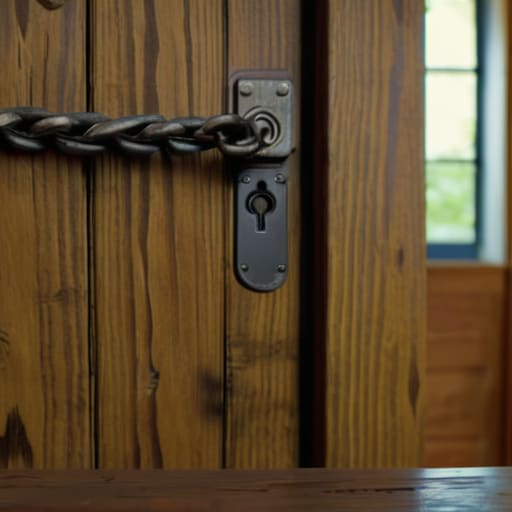
During my walk through the old coastal district this morning, I watched a locksmith meticulously reinforcing a heavy oak door. It struck me how often we focus on the strength of the lock itself, while completely ignoring the ease with which a key might be duplicated or a latch bypassed. In our digital architecture, Wi-Fi Protected Setup, or WPS, is often that overlooked vulnerability. While designed for the sake of convenience—allowing devices to connect with a simple button press—it essentially leaves a back door propped open. By disabling WPS for better security, you are effectively removing a shortcut that well-intentioned users might find helpful, but which malicious actors can exploit with startling ease.
Beyond that single point of entry, we must consider the broader philosophy of boundaries. Just as a well-tended garden has distinct zones, your digital life benefits from compartmentalization. I often find that preventing unauthorized Wi-Fi access becomes much more manageable when you stop treating your network as a single, monolithic space. If you find yourself frequently hosting visitors, I cannot recommend setting up a guest network highly enough. It allows you to extend your hospitality without inviting the unknown into the private sanctum of your primary devices, ensuring your most sensitive data remains shielded behind its own intentional perimeter.
The Unseen Sentinels: Five Rituals for a More Resilient Digital Sanctuary
- Curating a Guest Network: Think of your main connection as your inner sanctum, reserved only for those you trust implicitly; for visitors, create a separate, isolated guest network that acts as a welcoming porch, allowing them access to the internet without ever stepping foot inside your private digital halls.
- The Art of the Firmware Vigil: Just as we must tend to a garden to prevent it from being overtaken by weeds, you must regularly check for router firmware updates, ensuring your network’s defenses are constantly evolving to meet the shifting shadows of new vulnerabilities.
- Naming with Nuance: Avoid the temptation to broadcast your identity through your SSID; instead of a name that reveals your location or personhood, choose something enigmatic and nondescript, stripping away the breadcrumbs that might lead a stranger to your doorstep.
- The Hidden Architecture of MAC Filtering: For those seeking an extra layer of discernment, consider implementing MAC address filtering—a process of teaching your router to recognize only the specific digital signatures of your own devices, effectively creating a guest list for your invisible waves.
- Discerning the IoT Boundary: As our homes become increasingly populated by “smart” devices, remember that every connected lightbulb or camera is a potential doorway; isolate these gadgets on their own sub-network to ensure that a breach in a simple appliance doesn’t compromise the integrity of your entire personal history.
The Quiet Vigil of the Digital Hearth

As we draw this exploration to a close, I hope you see that securing your home wireless network is less about a checklist of technical chores and more about a deliberate act of stewardship. By reclaiming your router’s administrative identity, embracing the robust shield of WPA3 encryption, and dismantling the vulnerable gateways like WPS, you have done more than just follow a guide; you have re-established the boundaries of your private sanctuary. These steps serve as the essential layers of a modern fortress, ensuring that the invisible threads of data flowing through your halls remain untethered from the prying eyes of the digital wilderness. It is a process of intentional fortification, transforming a simple utility into a truly protected domain.
In my own walking meditations, I often reflect on how the most enduring structures are not those built of stone, but those maintained through constant, mindful awareness. Our digital lives are no different. We live in an era where our homes are no longer just physical spaces, but complex intersections of the tangible and the virtual. As you move forward, do not view security as a destination you reach and then abandon, but as a continuous rhythm of care. By remaining vigilant and curious about the tools we invite into our lives, we ensure that our personal narratives—and our peace of mind—remain sacrosanct and undisturbed.