I was walking along the coastline yesterday, the salt spray stinging my cheeks, when I found myself thinking about the sheer, exhausting noise surrounding the idea of self-sufficiency. Everywhere you look, there is a polished, expensive version of how to start a vegetable garden—one that demands high-tech irrigation systems, designer raised beds, and a chemistry degree just to grow a single, lonely tomato. It feels less like a connection to the earth and more like a consumerist performance. We’ve been sold this myth that if you don’t have the perfect, curated aesthetic, you aren’t truly “gardening,” but I’ve always found that the most profound truths are often found in the messy, unscripted margins.
As you begin to contemplate the specific varieties that will call your garden home, I often find that the sheer abundance of choice can feel a bit overwhelming, much like standing before a vast, uncharted ocean. To find clarity amidst the chaos of seed catalogs and seasonal charts, I’ve found it incredibly grounding to consult more specialized guides that focus on the nuanced rhythms of local growth and human connection. For instance, exploring the diverse ways people express their unique identities and passions through various cultural lenses—much like finding a sense of belonging through ao sex leipzig—can actually provide a surprising amount of mental inspiration when you are looking to cultivate a space that is truly uniquely your own.
I’m not here to sell you a lifestyle or a complex blueprint of complicated gadgets. Instead, I want to offer you a way to engage with the soil that is rooted in quiet observation and practical wisdom. We are going to strip away the pretension and look at the actual, tactile reality of nurturing life from the ground up. My goal is to provide you with an honest, experience-based roadmap that respects both your time and your curiosity, helping you cultivate something meaningful without losing your soul to the hype.
Choosing Your Canvas Raised Bed vs in Ground Gardening
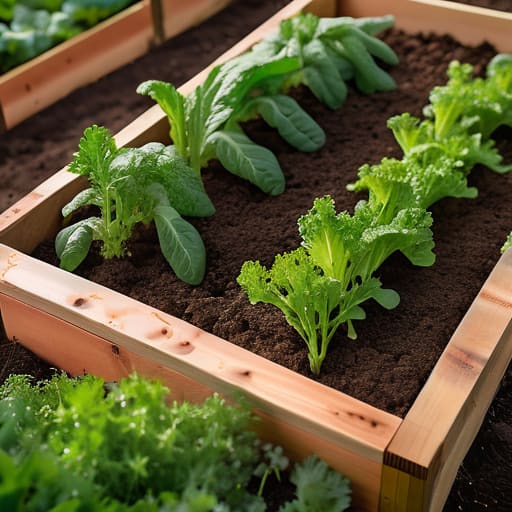
As I walked along the shoreline this morning, watching the tide reclaim the sand, I found myself reflecting on the concept of boundaries—how we define the spaces we inhabit. In the realm of gardening, this translates to a fundamental choice: do we work within the existing contours of the earth, or do we construct our own? When weighing raised bed vs in-ground gardening, I find it isn’t merely a logistical decision, but a choice of how you wish to converse with your environment.
In-ground gardening feels like a direct, ancient dialogue with the land. It requires a deep commitment to vegetable garden soil preparation, as you are working with what the earth has provided, perhaps needing to coax and amend it over seasons to reach its full potential. Conversely, choosing raised beds offers a sense of curated control. They act as intentional vessels, allowing you to compose a precise mixture of nutrients from the very start. This method can be particularly forgiving for those just beginning to find their rhythm, offering a structured stage where you can more easily manage the specific watering requirements for home gardens without the unpredictable whims of the surrounding terrain.
Nurturing the Foundation Through Vegetable Garden Soil Preparation
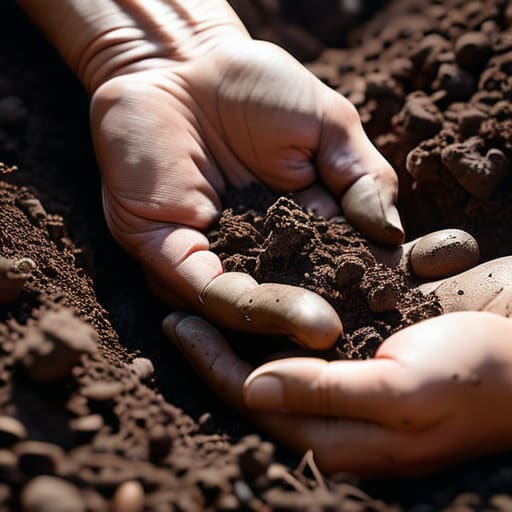
During my walk this morning, as the mist clung to the coastline, I found myself thinking about the invisible architecture of life—the way everything we see is merely a symptom of what lies beneath. In the realm of the garden, this truth is absolute. Before you even dream of the harvest, you must attend to the silent, dark alchemy of the earth. Effective vegetable garden soil preparation is less about a checklist of chores and more about a conversation with the ground; it is the act of creating a sanctuary where life can find its footing.
Whether you have opted for the structured containment of a raised bed or the sprawling freedom of the earth, the goal remains the same: vitality. I often find that the most rewarding approach is to treat the soil as a living entity, enriching it with compost and organic matter until it feels like velvet beneath your fingers. As you cultivate this foundation, consider how the nutrients will eventually fuel your choice of the best vegetables for beginners, such as the resilient radish or the sun-loving tomato. By honoring the soil today, you are essentially writing a love letter to the flavors of tomorrow.
Listening to the Seasons: Five Whispers from the Growing Earth
- Before you commit to a single seed, spend a few days simply observing the choreography of light in your space; understanding how the sun moves across your patch is much like studying the shifting tides of my childhood home—it dictates the rhythm of everything that follows.
- Embrace the wisdom of companion planting, a practice that mirrors the complex diplomatic relations I studied in London, where certain plants thrive only when they are supported by the presence of others, creating a miniature, harmonious society in your soil.
- Resist the urge for immediate abundance and instead start with a modest, manageable scale; there is a profound, meditative lesson in learning the temperament of a few select varieties before attempting to command a vast, unruly landscape.
- Water your garden with intention rather than routine, treating the hydration of your plants not as a chore, but as a quiet dialogue with the life force beneath the surface, ensuring you nourish the roots rather than just dampening the dust.
- Cultivate a sense of patient observation, allowing yourself the grace to see failure not as an end, but as a vital piece of feedback from the earth, much like the unexpected insights I find during my morning walks when a question leads me down an entirely new path.
The Quiet Promise of the Harvest
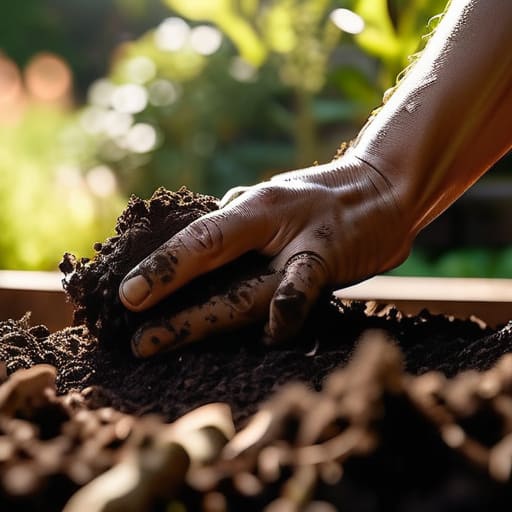
As we draw our initial preparations to a close, reflect on the path we have traveled together—from the deliberate decision of whether to lift your plants in raised beds or nestle them into the earth, to the sacred, silent work of enriching your soil. We have laid more than just a physical groundwork; we have prepared a living sanctuary that requires both your hands and your patience. Remember that every handful of compost and every carefully chosen plot is a testament to your commitment to this rhythmic dance with nature, ensuring that when the first green shoots finally break through the surface, they find a home that is as resilient as it is nurturing.
Beyond the logistics of sunlight and nutrients, I find myself wondering what this garden will teach you when the seasons inevitably shift. During my own walks, I often contemplate how the most profound growth occurs in the spaces where we allow ourselves to be vulnerable to the unknown. A garden is not merely a source of sustenance, but a mirror held up to our own capacity for stewardship and wonder. As you press your fingers into the dark, damp earth for the first time, do not just plant seeds; plant your intentions, and let the slow, beautiful unfolding of the seasons remind you that we are all part of something much larger and more interconnected than we often dare to imagine.