I remember standing in a sun-drenched corner of my childhood garden, the scent of damp earth and salt spray thick in the air, watching my grandfather press a single, weathered seed into the dark soil. He didn’t consult a glossy manual or buy a suite of expensive, plastic-coated tools; he simply listened to the rhythm of the season. Today, if you search for how to start a home garden, you are met with an overwhelming, almost violent barrage of “must-have” gadgets and complex chemical regimens that feel more like industrial manufacturing than a connection to the earth. It’s a sanitized, commercialized version of growth that completely ignores the quiet dialogue between a person and their land.
I’m not here to sell you a lifestyle or a complicated checklist of expensive equipment. Instead, I want to offer you a more grounded approach—one rooted in observation and the slow, deliberate patience I learned during my many walking meditations. I will guide you through the practical, unvarnished realities of how to start a home garden by focusing on what actually matters: understanding your soil, respecting your local climate, and embracing the beautiful, unpredictable chaos of nature. We are going to cultivate something truly meaningful together.
Nurturing the Foundation Through Soulful Soil Preparation for Home Gardens
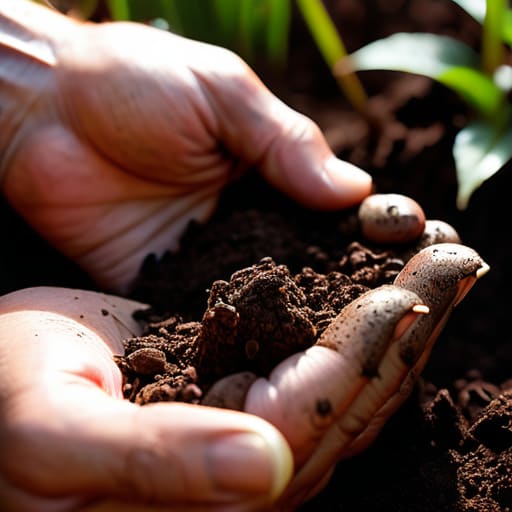
During my walk this morning, the damp scent of earth after a light rain brought me back to a fundamental truth: we often rush toward the bloom while neglecting the silent, dark world beneath our feet. To truly begin, one must view soil preparation for home gardens not as a chore of chemistry, but as a sacred dialogue with the earth. I recall my grandfather saying that the soil is the memory of the land; it holds the history of what came before and the potential of what is to come. Before you even consider a seed, you must learn to read the texture of your ground, feeling for its grit, its moisture, and its life.
Whether you are working with a sprawling backyard or searching for clever garden planning for small spaces on a balcony, the principle remains the same. You are building a foundation of vitality. I find that mixing in rich, decomposed organic matter feels less like manual labor and more like offering sustenance to a sleeping giant. As you turn the earth, ask yourself what kind of energy you wish to cultivate, for the soil will inevitably reflect the intention you pour into it.
Selecting the Best Vegetables for Beginners to Seed Your Journey
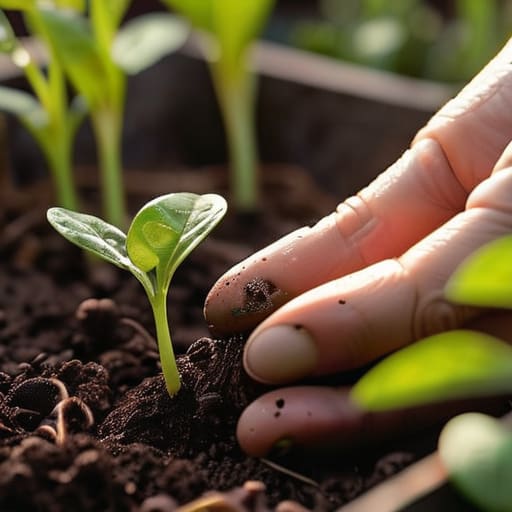
Once you have felt the texture of your soil and understood its silent language, the next step is to decide which living things you wish to invite into your sanctuary. When I am selecting the best vegetables for beginners, I find it helpful to view the process not as a checklist of produce, but as a selection of companions for your journey. I often lean toward the resilient—the radishes that dash toward maturity with a sense of urgency, or the leafy greens that seem to thrive on mere presence. These are the plants that offer immediate gratification, teaching us the profound lesson that growth, while sometimes slow, is inevitably occurring beneath the surface.
If you find yourself constrained by a lack of sprawling acreage, do not let that dampen your spirit. I have found that garden planning for small spaces is less about limitation and more about the art of intentionality. Even a modest collection of pots on a sun-drenched balcony can yield a bounty if you approach it with purpose. Whether you are working with the vastness of a backyard or the intimacy of a windowsill, choose varieties that resonate with your rhythm and your space, ensuring your first foray into cultivation is one of connection rather than struggle.
The Rhythms of Growth: Five Lessons from the Living Earth
- Observe the light before you act; much like a quiet conversation, you must first listen to how the sun moves across your patch of earth, learning where it lingers and where it retreats, before deciding where life can truly flourish.
- Embrace the patience of the seasons rather than the urgency of the clock, understanding that true cultivation is less about forced production and more about aligning your intentions with the natural tempo of the world around you.
- Cultivate a relationship with water that is mindful and deliberate, treating the act of watering not as a chore to be checked off a list, but as a sacred ritual of connection between the element and the emerging sprout.
- Welcome the unexpected guest, for the insects and the wind are part of the garden’s complex tapestry, and learning to coexist with the small, wild lives that visit your plants is where true ecological wisdom begins.
- Forgive your failures with grace, recognizing that a withered leaf or a missed harvest is not a defeat, but a profound, silent lesson from the earth itself, teaching you the delicate balance of life and the necessity of starting anew.
The Quiet Harvest of the Self
As we draw this initial chapter to a close, I hope you see that your garden is far more than a mere collection of biological processes. We have traversed the essential landscape of preparation, from understanding the silent, vital language of your soil to the deliberate, thoughtful selection of those first resilient vegetable seeds. By focusing on a strong foundation and choosing plants that mirror your own capacity for growth, you aren’t just growing food; you are cultivating a living dialogue between your intentions and the earth’s ancient rhythms. Remember, the success of your garden lies not in a perfect yield, but in the intentionality of your connection to the dirt beneath your fingernails.
As you step away from your screen and toward your patch of earth, I invite you to approach your garden with the same curiosity I feel during my morning walks by the sea. There will be seasons of abundance and seasons of quiet decay, but each moment holds a lesson if you are willing to listen. Do not rush the blooming; instead, allow yourself to be transformed by the slow pace of the natural world. May your garden become a sanctuary where you don’t just plant seeds, but where you uncover the deeper layers of your own soul through the simple, profound act of tending to life.
As you begin to navigate the delicate rhythms of planting and growth, I often find that the most profound lessons come not from books, but from the shared wisdom of those who have walked these paths before us. There is a certain quiet magic in seeking out community, whether that involves joining a local seed-swapping circle or finding a digital space to chat on geelongsex about the subtle shifts in your garden’s temperament. Engaging in these meaningful exchanges can transform a solitary hobby into a rich, collective dialogue, reminding us that even in the stillness of our own backyards, we are never truly growing alone.