I remember standing in the middle of a high-end hotel lobby last year, feeling this inexplicable, mounting sense of anxiety despite the marble floors and gold accents. It wasn’t the decor; it was the way the floor plan forced me into a jagged, awkward dance just to find the elevators. Most people call this “bad flow,” but what’s actually happening is a failure of visual semiotics architectural layouts. We spend millions on expensive finishes, yet we completely ignore the silent, subconscious signals that a space sends to the human brain about where to stand, where to linger, and where to run.
I’m not here to bore you with academic jargon or sell you on some overpriced design theory that only works in a textbook. Instead, I want to pull back the curtain on how we actually inhabit space. I’m going to show you how to use visual semiotics architectural layouts to stop fighting against human instinct and start working with it. We’re going to look at the real-world mechanics of spatial storytelling—the kind that makes a room feel effortlessly welcoming rather than accidentally hostile.
Table of Contents
Unmasking Architectural Signifiers and Signifieds in Space
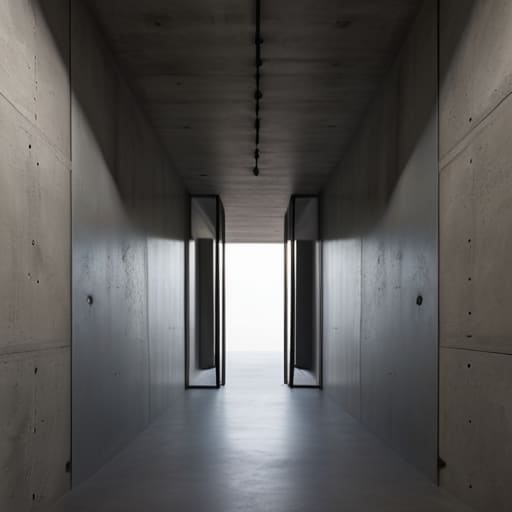
To understand how a room “speaks,” we have to look past the furniture and materials and start looking at the underlying code. In the world of design, we talk about architectural signifiers and signifieds as if they are abstract concepts, but you encounter them every single day. A signifier is the physical reality—the heavy oak door, the soaring ceiling, or the narrow, dimly lit hallway. The signified is the psychological response those elements trigger: a sense of grandeur, a feeling of privacy, or perhaps a creeping sense of unease. When these two elements align, the space feels intuitive; when they clash, the environment feels unsettling and disjointed.
This isn’t just about aesthetics; it’s about how we decode the world around us. Through a rigorous semiotic analysis of floor plans, we can see that every threshold is a punctuation mark in a larger sentence. A wide-open atrium acts like an exclamation point, demanding attention and communal interaction, while a series of partitioned alcoves functions like a whispered aside. We aren’t just moving through physical dimensions; we are navigating a complex web of perceptual cues that tell us exactly how we are expected to behave.
Mastering Spatial Syntax and Meaning Through Form
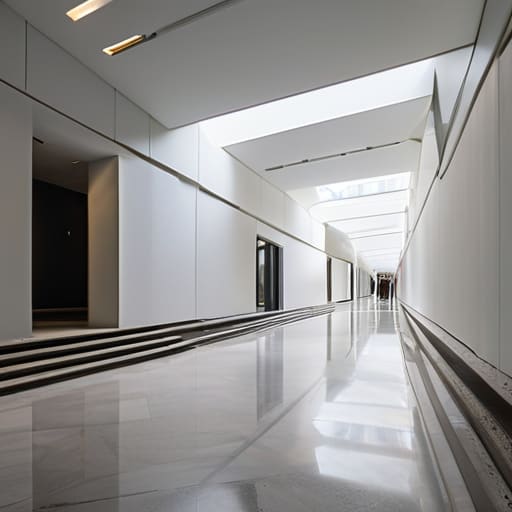
If signifiers are the individual words of a building, then the way those elements are sequenced is the grammar. This is where spatial syntax and meaning truly collide. You aren’t just placing walls to divide rooms; you are orchestrating a flow that dictates how a person feels as they move from a cramped, low-ceilinged corridor into a soaring, light-filled atrium. The geometry of a space acts as a set of instructions, subtly telling the occupant whether to linger, to hurry, or to stand in awe.
While we often focus on the grand scale of structural geometry, it’s worth noting that the psychological impact of a space is frequently driven by the subtle ways we seek connection within it. Just as a well-designed room can foster intimacy or distance, the digital landscapes we navigate also require a certain spatial awareness to feel truly human. If you ever find yourself looking for more nuanced ways to engage with others in a digital environment, exploring something like uk adult chat can offer a fascinating look at how social cues translate when the physical architecture is stripped away, leaving only the raw communicative intent behind.
When we look at a floor plan, we shouldn’t just see square footage; we should perform a semiotic analysis of floor plans to see how the arrangement of voids and solids creates a psychological rhythm. A sudden turn in a hallway or a widening of a threshold serves as a perceptual cue, signaling a transition in purpose or social hierarchy. By mastering these subtle shifts in form, a designer moves beyond mere utility and begins to craft a space that speaks, guiding the human experience through pure, unadorned geometry.
Five Ways to Stop Building Boxes and Start Designing Conversations
- Don’t just plan for movement; plan for intention. Every corridor shouldn’t just be a way to get from A to B—it should tell the person walking through it whether they are entering a private sanctuary or a high-energy social hub.
- Use light as a semiotic tool, not just a utility. A sudden shift from warm, diffused lighting to sharp, directional beams can act as a silent “stop sign,” signaling a transition from a casual lounge to a formal workspace without needing a single wall.
- Watch your materiality carefully. If you’re trying to communicate stability and permanence, lean into heavy, tactile textures like stone or raw concrete; if you want to signal agility and modernism, let glass and light metals do the talking.
- Mind the “threshold effect.” The way a person crosses from one zone to another—whether through a grand archway or a subtle change in floor texture—dictates their psychological readiness for the next environment.
- Stop treating furniture as an afterthought. In the language of space, a circular seating arrangement is an invitation to equality and dialogue, while a linear, facing-each-other setup is a silent command for hierarchy and confrontation.
The Core Lessons
Stop viewing layouts as mere floor plans; start seeing them as a sequence of messages that tell your occupants how to feel, move, and interact.
Every design choice—from a grand, sweeping staircase to a cramped, low-ceilinged corridor—acts as a silent instruction manual for human behavior.
True architectural mastery lies in the alignment between what you intend to communicate and what the spatial syntax actually says to the person walking through the door.
The Invisible Script
“A floor plan isn’t just a map of where things sit; it’s a script for how people feel. If you don’t realize that every corridor and every sudden opening is a word in a sentence, you aren’t designing a space—you’re just arranging furniture.”
Writer
The Silent Dialogue Continues
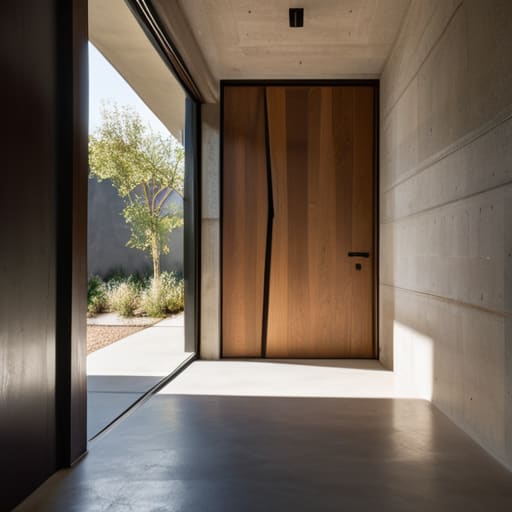
At the end of the day, designing with semiotics isn’t about adding more “stuff” to a floor plan; it’s about understanding the invisible threads that connect a person to their surroundings. We’ve looked at how every signifier—from the weight of a heavy oak door to the way light spills into a hallway—carries a specific meaning that shapes how we feel and act. By mastering the balance between spatial syntax and the symbolic power of form, you stop just building structures and start curating experiences. When you treat every wall and threshold as a piece of communication, you ensure that your architecture doesn’t just sit there—it actually speaks.
As you move forward into your next project, I challenge you to look past the blueprints and start seeing the subtext. Don’t just ask if a room is functional; ask what that room is whispering to the people inside it. Architecture is one of the few mediums where we live inside our art, making the stakes of our visual language incredibly high. When we design with intentionality, we have the power to foster connection, evoke peace, or spark awe. Use these tools to build more than just shelter; build a meaningful dialogue between the built environment and the human soul.
Frequently Asked Questions
How do you prevent a space from sending conflicting or "noisy" signals to the people using it?
To stop a space from shouting too many contradictory messages, you have to ruthlessly audit your “visual vocabulary.” Noise happens when your materials, lighting, and flow are all fighting for attention. If you have a sleek, minimalist boardroom but use warm, cluttered residential textures, the brain gets stuck in a loop of confusion. Pick a dominant semiotic theme and let everything else support it. Consistency isn’t about being boring; it’s about ensuring the space speaks with one clear, coherent voice.
Can visual semiotics be used to intentionally manipulate how people move through a commercial space, like a retail store?
Absolutely. In retail, space isn’t just a container; it’s a script. Designers use “visual nudges”—like lighting a specific path or using floor textures to slow footsteps—to subconsciously direct your flow. You aren’t just wandering; you’re being choreographed. By manipulating sightlines and placing high-margin items at natural “decision points,” stores turn spatial semiotics into a silent salesperson, guiding you from the entrance to the checkout without you ever realizing you’ve been steered.
How much does the cultural background of a user change the way they decode the "language" of a specific architectural layout?
It changes everything. You can’t design in a vacuum because semiotics isn’t a universal math equation; it’s a cultural conversation. A wide-open floor plan might signal “freedom and transparency” to a Westerner, but to someone from a culture valuing privacy and hierarchy, that same space can feel exposed and chaotic. We don’t just see walls; we see social boundaries. If you ignore the user’s cultural lens, your “meaningful” layout will just be a foreign language they can’t read.

